


Botox Lip Flip vs. Lip Filler: What Is the Difference?

Botox Lip Flip vs. Lip Filler: What Is the Difference?
A Botox lip flip and lip filler can both make the lips look more noticeable, but they do not work in the same way. A lip flip affects how the upper lip moves, while filler adds physical volume. Knowing that difference can help you describe your goals and ask better questions before a consultation.
Book a consultation · Call (661) 327-3800
What Is a Botox Lip Flip?
A Botox lip flip is a nonsurgical treatment that uses a small amount of a neuromodulator in muscles around the upper lip. By relaxing selected muscle activity, the treatment may allow the upper lip to roll slightly outward when you smile. That can make more of the upper lip visible without adding volume to the lip tissue itself.
The goal is usually a change in movement or position rather than a fuller lip. Someone who feels that the upper lip seems to disappear during a smile may want to discuss this option. The outcome depends on individual anatomy, muscle activity, the treatment plan, and the person’s response. A provider should explain what may be realistic for your features instead of promising an identical result to a photo.
A research article in Plastic and Reconstructive Surgery Global Open describes the distinction between a lip flip, which changes upper-lip position, and filler, which adds volume. Read the published comparison for additional context. General information cannot determine whether a treatment is appropriate for you, so an individualized medical discussion remains important.
A lip flip is about how the upper lip may show during movement. It does not fill the lip. Filler is used to add volume, shape, or definition. Starting with the result you want—not the treatment name—can make your consultation more productive.
How Does Lip Filler Work Differently?
Lip filler is an injectable treatment that adds physical volume to the lips. Depending on the product and plan, a provider may use dermal filler to discuss fullness, contour, proportion, or definition. The treatment does not work by relaxing the muscles that move the upper lip.
People considering filler can describe how much change they want, whether they are interested in subtle definition or more noticeable fullness, and which parts of their natural lip shape they hope to preserve. A thoughtful plan considers balance with the rest of your features. You can learn more about dermal fillers at Beautologie while preparing questions for a visit.
Before treatment, the provider should review the product, injection plan, expected changes, possible side effects, and aftercare. Ask how the plan accounts for your health history and previous injectable treatments. If you are unsure whether your concern involves movement, volume, shape, or a combination, say so. You do not have to arrive with a treatment decision already made.
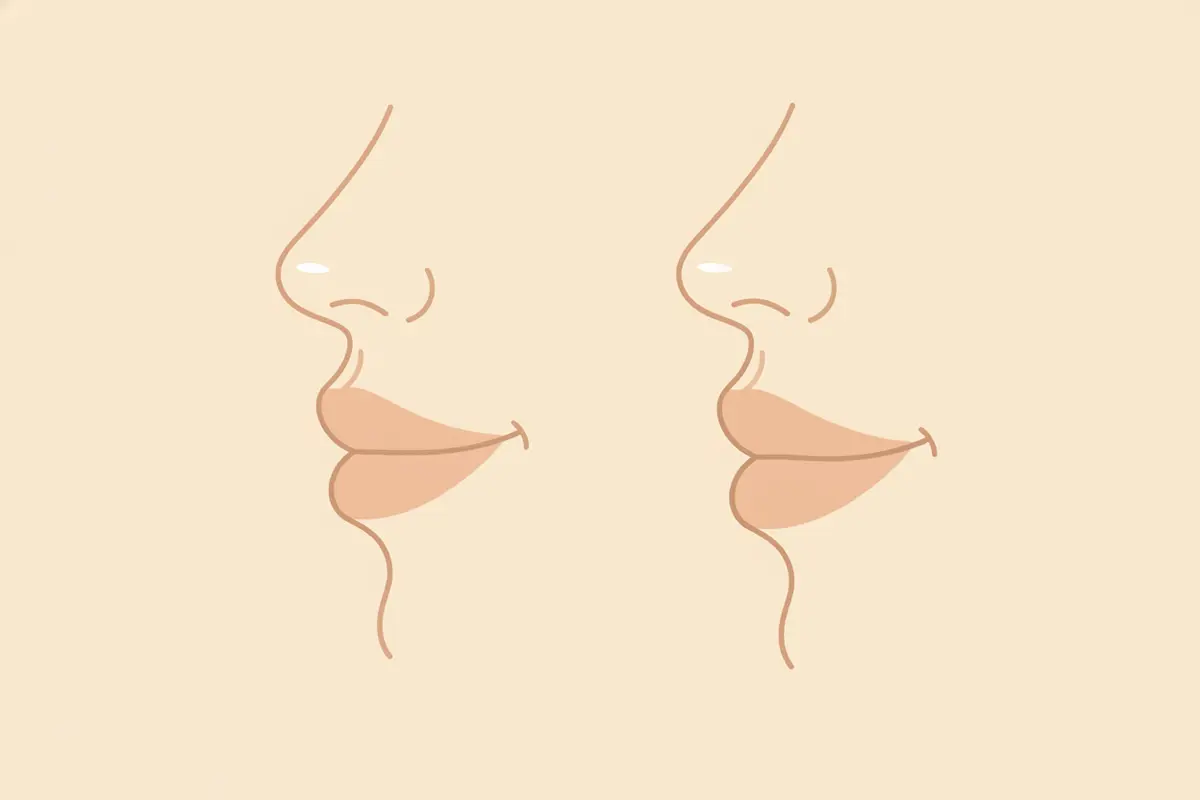
What Is the Difference Between a Lip Flip and Filler?
The clearest distinction is the treatment mechanism and the change each option is designed to address. A Botox lip flip changes how the upper lip may move or sit when you smile. Lip filler adds material to the lips. These differences affect what you might notice, what you should ask, and which concerns each option may or may not address.
| Consideration | Botox lip flip | Lip filler |
|---|---|---|
| Basic approach | Uses a neuromodulator around the upper lip | Adds physical volume to the lips |
| Primary focus | Upper-lip movement and visibility during a smile | Fullness, shape, contour, or definition |
| Does it add volume? | No | Yes |
| Useful consultation topics | Smile movement, lip position, goals, and possible functional effects | Desired fullness, proportions, product, injection plan, and risks |
| What it cannot promise | A specific amount of visible lip or an identical smile change | A specific shape, degree of fullness, or permanent result |
A lip flip may be worth discussing when the main concern is upper-lip visibility during a smile and you do not want added volume. Filler may be worth discussing when the main concern is fullness or shape. Those are general distinctions, not personal recommendations. A provider must assess your anatomy, medical history, goals, and tolerance for possible effects.
The American Academy of Facial Esthetics overview also explains the difference between changing upper-lip position and adding lip volume. It is useful background, but it cannot replace a medical evaluation or the instructions of the professional treating you.
Which Goal Are You Trying to Address?
One practical way to compare the options is to describe the moment when you notice the concern. If your upper lip looks balanced at rest but seems to tuck inward when you smile, movement may be the part of the picture you want to discuss. If your lips look smaller than you would like both at rest and while smiling, added volume may be part of the conversation.
Shape and definition can make the comparison less straightforward. Some people want a clearer border without a visibly fuller appearance. Others want a modest increase in fullness while preserving their natural proportions. Someone else may be focused on an uneven appearance that is more noticeable in photographs or in one expression. These goals can overlap, but they are not interchangeable.
Write down three observations before your appointment: what you see at rest, what you see when you smile, and what you would prefer to remain unchanged. This short exercise helps separate a request for movement from a request for volume. It also gives the provider a more useful starting point than a broad request to make the lips look bigger.
Could Both Treatments Be Considered?
Some people ask whether a lip flip and filler can be used together. That decision depends on the person’s goals, anatomy, health history, prior treatment, and the provider’s assessment. Combining options is not automatically better, and it is not appropriate for everyone. The two treatments remain distinct even when they are discussed as part of one plan.
Be specific about the result you want to explore. Do you want more of the upper lip to show when you smile? Are you looking for overall fullness? Do you want more definition at the border? Are you concerned about an imbalance that is visible only in certain expressions? These details give the provider a clearer starting point than simply asking for a particular product.
A provider can also explain trade-offs. Affecting muscle activity around the mouth may influence movement or function, while adding volume may change how the lips feel and appear. Ask what temporary effects are possible, how concerns are handled, and when follow-up might be appropriate. Good planning includes an honest discussion of limitations.
What Should You Discuss Before Treatment?
Prepare for a consultation by bringing a complete health history and a clear description of what you notice. Tell the provider about medications, allergies, past injectable treatments, prior reactions, and any current concerns. Do not leave out a previous treatment simply because it was performed somewhere else. Relevant history can affect the discussion and the proposed plan.
You can review Beautologie’s patient resources before your visit and explore the broader services and treatments page for general orientation. The practice information page can also help you understand the setting in which you are arranging a consultation. These pages are starting points, not substitutes for individualized guidance.
- What change might this treatment make in my particular lip shape and smile?
- What will the treatment not change?
- What possible side effects or functional concerns should I understand?
- What product or medication would be used, and why?
- What should I expect during the first several days and at follow-up?
- Who should I contact if I have a concern after treatment?
- Would waiting, choosing one option, or choosing neither be reasonable?
It is also reasonable to ask who will perform the treatment and how the practice approaches patient safety and follow-up. Beautologie provides information about quality and safety for patients who want to learn more before speaking with the team. You can ask any question that helps you feel informed and comfortable.
How Can You Compare the Options During a Consultation?
Bring a simple comparison of your priorities. Write down whether you care most about movement, volume, shape, subtlety, or preserving your current expression. If your preference changes depending on whether you are relaxed or smiling, mention that too. A provider may examine both the resting appearance and the way the lips move.
Photos can help communicate the type of look you prefer, but they do not guarantee that the same result is possible. Different anatomy, expressions, products, treatment amounts, and healing responses can lead to different outcomes. Use photos as conversation tools rather than promises.
Ask for an explanation in plain language. You should understand the proposed treatment, why it may fit your goal, its limitations, alternatives, possible risks, aftercare, and follow-up plan before deciding. It is acceptable to take time after a consultation. You do not need to proceed simply because you made an appointment.
What Happens at a Consultation in Bakersfield?
A consultation gives you a chance to describe what you see and what you hope to change. The provider can review your medical history, examine your lip shape and movement, discuss whether a lip flip or filler addresses your stated goal, and explain other reasonable choices. The conversation should include realistic expectations rather than a promise of a particular result.
You may want to ask about the treatment setting, the person performing the procedure, the product or medication selected, preparation, aftercare, and follow-up. If anxiety is part of your concern, bring it up directly so the team can explain what support may be available and what details are handled during consultation.
Beautologie offers consultations for patients in Bakersfield and nearby Kern County communities. The contact page provides another way to reach the practice, and the Beautologie blog includes additional educational reading. If you want to understand the broader medical aesthetics setting, you can also review the practice’s doctor information before your visit.

How Can You Prepare for a Thoughtful Decision?
Preparation does not mean choosing a treatment before you meet with a provider. It means arriving with enough information to make the conversation specific. Save a few questions in your phone, bring a list of relevant medications and prior treatments, and think about whether you want a change that is noticeable at rest, during a smile, or in both situations.
It may also help to decide what you are not seeking. For example, you might want to preserve your current expression, avoid added fullness, or keep the result subtle. Naming those boundaries matters because a treatment plan is not only about what you would like to add; it is also about what you want to protect.
After the consultation, consider whether you can explain the plan back in your own words. You should know which option is being discussed, what it is intended to change, what it cannot change, and what follow-up looks like. If any part remains unclear, ask for clarification before moving forward.
Considering Your Next Step?
Use a consultation to connect your desired change with the option that may address it. Whether you are curious about a Botox lip flip, lip filler, or no treatment at all, an informed conversation should leave you with clear expectations and room to decide.
Schedule a consultation · Call (661) 327-3800
Frequently Asked Questions About Botox Lip Flips
Does a lip flip add volume?
No. A lip flip affects selected muscle activity and may change how the upper lip appears during movement. It does not add physical volume to the lip tissue. Lip filler is the separate treatment used to add volume.
Is a lip flip the same as lip filler?
No. They use different approaches and are intended to address different goals. A lip flip may affect upper-lip position or movement, while filler adds volume, shape, or definition. A provider can help you compare them in relation to your anatomy and preferences.
Can a lip flip change my smile?
Because a lip flip affects muscle activity around the upper lip, ask a qualified medical provider about possible changes in movement and function before deciding. Individual experiences vary, and an online article cannot predict your result.
Can a lip flip and filler be used together?
They may be discussed together for some individuals, but combining treatments is a personalized medical decision. The provider should review your goals, history, anatomy, possible benefits, limitations, and risks before recommending any plan.
How do I know which option is right for me?
Start by identifying whether you want more visible upper lip during a smile, added fullness, a shape change, or a combination. A consultation is the appropriate place to review those goals and decide whether either treatment is suitable.
Discuss Your Options With a Medical Provider
Talk through your goals in a supportive consultation.
Book your consultation · Call (661) 327-3800
This article is for general educational purposes and is not medical advice. Consult a qualified medical provider to discuss your individual needs, risks, treatment options, and questions before making a decision.
Marketing Director, Beautologie


All information, images, articles and text on this website are copyrighted by Beautologie Medical Group Inc. and cannot be downloaded, copied, redistributed or used in any way without written permission.
*Individual results may vary.
Beautologie strives to ensure that its services are accessible to people with disabilities. Beautologie.com has invested a significant amount of resources to help ensure that its website is made easier to use and more accessible for people with disabilities, to provide educational resources to all. If you are experiencing difficulty with any content on Beautologie.com or require assistance with any part of our site, please contact us during normal business hours as detailed above and we will be happy to assist. If you wish to report an accessibility issue, have any questions or need assistance, please contact beautologie.com Customer Support at info@beautologie.com