


How Long Do Acne Scars Last? A Guide to Fading Them
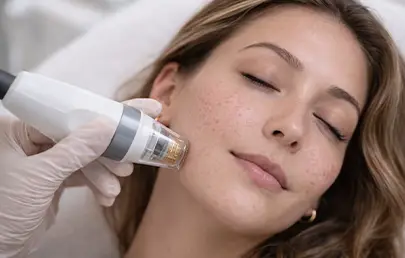
How Long Do Acne Scars Last? A Guide to Fading Them
You’ve finally won the battle against breakouts, but the evidence remains. Those stubborn marks and indentations can feel like a permanent reminder, which naturally brings up the question: how long do acne scars last? The answer is complicated. While some discoloration fades, deeper atrophic acne scars—like indented boxcar scars—are a different story. Unfortunately, most topical treatments cannot remove these types of scars because the issue lies deep beneath the skin's surface. Without the right approach, these indentations can stick around for good, and may even change in appearance over time.
If you’re dealing with uneven texture, rolling scars, or pitted areas that makeup can’t fully smooth, you may be wondering whether regenerative treatments for acne scars offer real, lasting improvement—or if they’re just another trend.
At Beautologie Cosmetic Surgery, Medical Aesthetics & Wellness in Bakersfield, we focus on science-backed, collagen-stimulating solutions that work with your body—not against it.
The short answer?
Yes, regenerative treatments can significantly improve acne scars and texture long-term—but success depends on scar type, skin quality, and a customized treatment plan.
Let’s break it down.
First, Let's Talk About What Acne Scars Really Are
Before we can talk about fixing them, it’s important to know what we’re up against. Not all "scars" are created equal. Some are temporary discoloration, while others are permanent changes in your skin's texture. Understanding the difference is the first step toward finding the right solution. True acne scars involve either a loss or overproduction of collagen, resulting in indentations or raised bumps. These textural changes are what make the skin’s surface look uneven. The type of scar you have will determine the most effective treatment path, as a plan for shallow, rolling scars will look very different from one designed for deep, pitted scars. Knowing your specific type helps set realistic expectations for your results.
Scars vs. Marks: Understanding PIH and PIE
Have you ever noticed a dark or red spot left behind after a pimple heals? That isn't a true scar. The dark spots are called post-inflammatory hyperpigmentation (PIH), and the red or pink ones are post-inflammatory erythema (PIE). These are simply marks caused by inflammation in the skin. While they can be frustrating and stick around for months, the good news is that they often fade on their own over time. True scars, on the other hand, are the indented (atrophic) or raised (hypertrophic) textural changes that don't go away without intervention. Differentiating between a mark and a scar is key to choosing the right treatment.
The Different Types of Atrophic (Indented) Acne Scars
Atrophic scars are the most common type of acne scar. They form when not enough collagen is produced during the healing process, creating a depression or "pit" in the skin. There are three main kinds. Ice pick scars are deep, narrow, and look like the skin was punctured with a tiny ice pick. Boxcar scars are broader depressions with sharply defined edges, often found on the cheeks and temples. Finally, rolling scars create a wave-like or uneven appearance on the skin's surface due to damage under the skin. Each type requires a slightly different approach to effectively smooth and repair the skin's texture.
What About Raised (Hypertrophic) Scars?
Less common than atrophic scars, hypertrophic or keloid scars are the opposite problem. Instead of a loss of tissue, these scars form when the body produces too much collagen during the healing process. This results in a raised bump of scar tissue on the skin's surface where the pimple once was. These are most often found on the chest, back, and jawline and can sometimes be tender or itchy. Treating hypertrophic scars is very different from treating indented ones, often requiring specialized treatments to reduce the excess tissue and flatten the scar’s appearance without causing further irritation or growth.
Why Scars Can Become More Obvious with Age
You might notice that your acne scars seem to become more prominent as you get older. This isn't your imagination. As we age, our skin naturally loses collagen and elastin—the proteins responsible for keeping it firm and plump. This gradual volume loss can cause indented atrophic scars to appear deeper and more noticeable. It’s a frustrating reality, but it also highlights why collagen-stimulating treatments are so effective. By rebuilding that foundational support structure, we can not only improve the scar’s appearance but also give the skin a more youthful, smoother look overall.
What Causes Acne Scars and How Can You Prevent Them?
Understanding what causes acne scars is half the battle. Scarring is the result of intense inflammation that damages the follicle wall. When a pimple becomes deeply inflamed, it can rupture, and the infected material can spread into the surrounding tissue, causing even more damage. Your skin rushes to repair this damage by forming new collagen fibers. If it produces too little or too much collagen, a scar is formed. Factors like genetics play a role in your skin’s tendency to scar, but your habits have a huge impact, too. Knowing the triggers can empower you to take preventative steps.
The Main Culprits Behind Scarring
The biggest factor in scarring is the severity of the acne itself. Deep, painful cystic and nodular acne are far more likely to leave a permanent mark than a simple whitehead. These types of breakouts cause significant inflammation deep within the skin. The second major cause is something we all know we shouldn't do: picking, popping, or squeezing pimples. This action can force debris deeper into the dermis, increase inflammation, and introduce new bacteria into the wound. This trauma disrupts the natural healing process and dramatically increases your chances of developing a scar.
Prevention Is Key: How to Stop Scars Before They Start
The most effective way to deal with acne scars is to prevent them from forming in the first place. This starts with getting your acne under control. If you struggle with moderate to severe breakouts, seeking professional guidance can help you find a routine that works before significant damage occurs. And, of course, adopt a strict hands-off policy. As tempting as it is to pop a pimple, resisting the urge is one of the best things you can do for the long-term health and texture of your skin. Gentle care and proper treatment are your best defenses against future scarring.
Factors That Influence How Your Skin Scars
Why do some people scar easily while others don't? And why do some scars fade while others linger? Several factors come into play. Your genetics are a major determinant; if your parents had acne scars, you might be more prone to them. Your skin type and tone can also influence healing. Most importantly, the type and depth of the original acne lesion play a huge role. A deep, inflamed cyst is far more likely to leave a permanent textural change than a surface-level pimple. The timeline for fading also varies—a red or brown mark might disappear in a few months, but a deep, indented scar will likely require professional treatment to see significant improvement.
Can You Treat Acne Scars at Home?
For mild discoloration and very minor textural issues, at-home treatments can offer some improvement. Products containing ingredients like retinoids, vitamin C, and alpha-hydroxy acids (AHAs) work by encouraging skin cell turnover and stimulating a small amount of collagen. This process helps to gradually fade post-inflammatory hyperpigmentation (dark spots) and can slightly soften the edges of very shallow scars over time. Consistency is crucial when using these products, as results appear slowly over many months. For the best at-home results, consider using professional skincare products, which contain higher concentrations of active ingredients than what you can find at the drugstore.
What Are Regenerative Treatments and How Do They Work?
Regenerative aesthetic treatments are procedures designed to stimulate your body’s natural healing response and collagen production to improve skin structure over time.
Unlike surface-level treatments that temporarily smooth skin, regenerative therapies work deeper—encouraging remodeling of damaged tissue.
At Beautologie, regenerative options may include:
- Microneedling with PRP (Platelet-Rich Plasma)
- RF Microneedling (such as Morpheus8)
- Collagen stimulators (Sculptra, Radiesse)
- Laser resurfacing treatments
- Exosome-enhanced microneedling (when appropriate)
What They Treat
- Atrophic acne scars (rolling, boxcar)
- Enlarged pores
- Uneven skin texture
- Fine lines associated with scar thinning
What They Do Not Treat
- Active cystic acne
- Deep tethered scars requiring subcision
- Severe skin laxity alone
How Regenerative Treatments Improve Acne Scars
Acne scars form when inflammation disrupts collagen during healing. The result? Indentations, uneven surface texture, and structural thinning.
Regenerative treatments:
- Create controlled micro-injury
- Trigger wound-healing pathways
- Stimulate new collagen production
- Remodel damaged tissue over time
Think of it as renovating damaged drywall rather than just painting over it.
Am I a Good Candidate for Regenerative Acne Scar Treatments?
Ideal Candidates
- Mild to moderate atrophic acne scars
- Stable skin (no active breakouts)
- Realistic expectations
- Willing to commit to a series of treatments
Who May Not Be Ideal
- Active inflammatory acne
- Severe keloid scarring
- Unrealistic expectations of “perfect” skin
Does Age or Skin Type Matter?
Regenerative treatments can benefit patients from their 20s through 50s and beyond. Skin tone matters in selecting the safest modality, especially with lasers.
Previous fillers, surgery, or aesthetic treatments typically do not prevent candidacy—but proper evaluation is essential.
Important Considerations for Different Skin Tones
Your skin tone is a crucial factor in determining the safest and most effective regenerative treatment plan. Darker skin tones contain more melanin, which can make them more susceptible to post-inflammatory hyperpigmentation (dark spots) or even hypopigmentation (light spots) after treatment. Because of this, some procedures, like certain aggressive lasers, may not be the best choice as they can carry a higher risk of discoloration. It's essential to understand that the right treatment must be carefully selected to work with your skin, not against it. This is why a personalized consultation is non-negotiable. An experienced provider will analyze your specific skin type and scar concerns to recommend the ideal modality—whether it's RF microneedling, PRP, or a specific laser safe for your complexion—ensuring beautiful results without compromising your skin’s health.
What Results Can You Realistically Expect?
Regenerative acne scar treatments provide gradual, progressive improvement—not overnight transformation.
Timeline
- Initial improvement: 4–6 weeks
- Continued collagen remodeling: 3–6 months
- Optimal results after full treatment series
Patients often notice:
- Smoother texture
- Reduced scar depth
- Improved skin tone uniformity
- Smaller pore appearance
Results vary depending on scar type and depth.
How Long Do Results Last?
When collagen is successfully rebuilt, improvements can be long-lasting.
Results often persist for years, especially when combined with good skincare and sun protection.
However:
- Aging continues
- Maintenance treatments may be recommended
- Lifestyle factors influence longevity
Unlike temporary fillers, regenerative improvements are biologically integrated into your skin.
How Many Treatments Are Needed?
Most patients require:
- 3–4 sessions spaced 4–6 weeks apart
- Occasional maintenance once yearly
Deeper scars may require combination therapies.
Acne scar correction is rarely a “one-and-done” treatment.
Downtime, Recovery & Lifestyle Considerations
Recovery depends on the modality used.
Microneedling
- Redness for 1–3 days
- Minimal downtime
RF Microneedling
- Redness and mild swelling for several days
Laser Resurfacing
- Downtime varies from mild to moderate
Patients typically return to work within a few days, depending on intensity.
Sun protection is essential during healing.
Are Regenerative Treatments Safe?
When performed by trained providers under medical supervision, regenerative treatments are considered safe.
Common Temporary Side Effects
- Redness
- Swelling
- Mild flaking
Why Provider Expertise Matters
- Proper depth and energy selection
- Avoiding post-inflammatory hyperpigmentation
- Combining treatments strategically
Customized protocols improve both safety and outcomes.
How Much Do Regenerative Acne Scar Treatments Cost?
Cost varies depending on:
- Treatment type
- Number of sessions
- Technology used
- Provider expertise
While regenerative treatments require an investment, many patients find long-term collagen improvement more cost-effective than repeated temporary solutions.
Regenerative Treatments vs Alternative Options
Vs Chemical Peels
Peels improve surface texture but do not deeply remodel scar tissue.
Vs Dermabrasion and Microdermabrasion
Think of microdermabrasion and dermabrasion as powerful forms of mechanical exfoliation. These treatments physically sand away the outermost layer of skin, which can leave your complexion feeling instantly smoother and looking brighter. For indented acne scars, however, this effect is often temporary and superficial. They primarily address surface-level texture and don’t penetrate deep enough to correct the underlying collagen loss that causes the indentation in the first place. It’s like polishing a dented surface—it looks shinier, but the structural issue remains.
In contrast, regenerative treatments are designed to rebuild the skin from within. Procedures like microneedling create controlled micro-channels in the deeper layers of the skin, signaling your body to produce new, healthy collagen to fill in the scars. This process doesn't just smooth the surface; it fundamentally remodels the damaged tissue for lasting structural improvement. While exfoliation is a key part of any healthy skincare routine, only regenerative therapies can truly repair the foundation of scarred skin.
Vs Dermal Fillers for Scars
Fillers can temporarily elevate certain scars but do not rebuild collagen long-term.
How Long Do Fillers for Scars Last?
The longevity of filler for acne scars really depends on the type of product used to achieve the correction. For instance, hyaluronic acid (HA) fillers provide an immediate lift by placing a smooth, gel-like substance directly beneath an indented scar, instantly raising it to be level with the surrounding skin. This makes them a fantastic choice for patients seeking quick, visible improvement for rolling or boxcar scars. Results typically last from 6 to 18 months before the body naturally and safely absorbs the product. While highly effective for a temporary fix, this does mean that consistent maintenance appointments are needed to keep the skin looking flawlessly smooth over the long term.
On the other hand, collagen-stimulating fillers like Sculptra and Radiesse provide more gradual, longer-lasting improvement. Instead of just filling the space, they trigger your body’s own collagen production to rebuild structure from within. A series of initial treatments may be needed, but the results can last for two years or more. However, the aging process continues, so periodic touch-ups are recommended to maintain your results. Protecting your investment with a high-quality professional skincare regimen and daily SPF is also key to supporting skin health and prolonging the effects.
Vs Surgical Subcision
Subcision addresses tethered scars; regenerative treatments improve overall skin quality.
Often, combination approaches yield the best results.
Vs Treatments for Raised Scars
Raised scars, such as hypertrophic or keloid scars, are caused by an overproduction of collagen—the opposite of atrophic scars. Because regenerative therapies are designed to stimulate collagen, they are not the primary approach for these types of scars. Instead, treatments for raised scars focus on reducing the excess collagen and flattening the tissue. Options often include corticosteroid injections or specific laser modalities. An accurate diagnosis from a skilled provider is critical, as the right treatment plan depends entirely on your specific scar type. A professional consultation is the only way to determine the safest and most effective path forward for your skin.
Are Regenerative Treatments Worth It?
If acne scars impact your confidence, regenerative treatments can be transformative—gradually and naturally.
Patients often report:
- Increased comfort without heavy makeup
- Improved skin clarity
- Boosted confidence
The key is realistic expectations and strategic planning.
Choosing the Right Provider in Bakersfield
When seeking acne scar treatment, look for:
- Medical oversight
- Experience treating multiple scar types
- Access to various regenerative technologies
- Personalized evaluation
Not all scars are the same. Your treatment plan shouldn’t be either.
Key Takeaways
- Regenerative treatments stimulate collagen to improve acne scars
- Results develop gradually over months
- Improvements can be long-lasting
- Multiple sessions are typically required
- Personalized consultation determines best modality
Frequently Asked Questions (FAQ)
Do regenerative treatments permanently remove acne scars?
They significantly improve appearance but may not eliminate scars entirely.
How long do acne scar results last?
Results can last for years when collagen remodeling is successful.
Does microneedling help acne scars?
Yes, especially for rolling and mild boxcar scars.
Is laser better than microneedling?
It depends on scar depth and skin type.
Are regenerative treatments painful?
Topical numbing is used to minimize discomfort.
Can darker skin tones safely receive treatment?
Yes, with appropriate modality selection.
How soon will I see improvement?
Visible changes often begin within 4–6 weeks.
Can acne scars return?
Existing scars don’t “return,” but new acne can create new scars.
Advanced Acne Scar Treatments in Bakersfield
Beautologie Cosmetic Surgery, Medical Aesthetics & Wellness proudly serves patients in Bakersfield, California, Kern County and surrounding Central Valley communities. Our medically supervised team offers advanced regenerative treatments for acne scars and texture using personalized, science-backed protocols tailored to your skin.
Start Your Personalized Acne Scar Treatment Plan
Ready to improve acne scars with a personalized regenerative plan?
Schedule a consultation to explore collagen-stimulating treatments designed to restore smoother, healthier-looking skin.
Results vary. Consultation required. This content is general educational information and does not replace medical advice.
Related Articles
Marketing Director, Beautologie


All information, images, articles and text on this website are copyrighted by Beautologie Medical Group Inc. and cannot be downloaded, copied, redistributed or used in any way without written permission.
*Individual results may vary.
Beautologie strives to ensure that its services are accessible to people with disabilities. Beautologie.com has invested a significant amount of resources to help ensure that its website is made easier to use and more accessible for people with disabilities, to provide educational resources to all. If you are experiencing difficulty with any content on Beautologie.com or require assistance with any part of our site, please contact us during normal business hours as detailed above and we will be happy to assist. If you wish to report an accessibility issue, have any questions or need assistance, please contact beautologie.com Customer Support at info@beautologie.com