


Chemical Peel Preparation and Aftercare Patient Guide

Chemical Peel Preparation and Aftercare Patient Guide
Planning for a chemical peel can feel uncertain, especially when you are trying to protect sensitive, newly treated skin. Beautologie helps patients understand the general preparation, appointment, and recovery steps they can discuss with their medical provider before moving forward.
Book your chemical peel consultation with Beautologie
Chemical peel preparation and aftercare are vital steps for anyone who wants to get the best results from their skin treatment. Prep involves priming your face for two to four weeks with special creams and sun protection to help the skin heal evenly. Based on research from the National Library of Medicine, priming the skin with sunscreens and medical creams before the procedure is needed for safety. Aftercare focuses on keeping the area clean and safe from the sun. You must use a gentle soap and avoid picking at peeling skin to prevent scars. Following these rules helps your skin look its best while reducing the risk of slow healing.
Chemical peel preparation and aftercare starts with a consultation
A consultation helps your provider review your goals, medical history, current products, and likely recovery needs. Beautologie uses this conversation to develop personalized instructions, explain what to expect, and help you decide whether a chemical peel is appropriate for you.
A meeting with a skin expert is the first step for anyone who wants a fresh look. This visit lets your provider check your skin and talk about your goals. They will look at your skin tone, texture, and any areas of concern. This helps them pick the right type of Beautologie chemical peel services for you. Every plan is personal because no two people have the same skin. A good plan makes sure the process is safe and gives you the best results.
Your visit is a time to ask questions and learn about the process. The team will explain how the peel works and what it does to the skin. They will also talk about the steps you need to take at home. This talk is the core of your chemical peel preparation and aftercare journey. It sets the stage for a smooth time from start to finish. Taking the time to plan now helps you avoid stress later on.
Share your health and skin history
You must tell your provider about your health and the skin products you use now. It is important to talk about any past skin issues, such as cold sores or scars. Some people have a tendency to form thick keloid scars which the team needs to know about. You should also list any meds you take, even if they seem minor. Some drugs can make your skin more sensitive to light or heat.
Listing your current skincare routine is also vital. Some creams or cleansers may be too strong to use right before a peel. Your provider might ask you to stop using certain items for a week or two. This helps prevent redness and keeps your skin strong. By being open and honest, you help the team create a safe plan. This ensures your skin stays healthy during and after the treatment.
Set clear goals for your skin
It is helpful to know what a peel can do for your skin. Peels are great for fading dark spots, smoothing fine lines, and fixing light scars. But they cannot fix deep folds or very saggy skin. Your provider will help you see what kind of change is likely. They may show you how the skin will look as it heals in the days after your visit. Setting these goals early keeps you happy with the final look.
You will also learn about the different levels of peels. Some are light and heal fast, while others are deep and need more time. Your goals will help the team choose the depth that fits your life. If you have a busy week, a light peel might be best. If you want more change, a medium peel might be the way to go. Your provider will guide you through these choices with care.
Follow your custom prep plan
Before your treatment, you will get a list of steps to follow at home. This often means using a high-quality sunscreen every day. You may also need to use special creams to prime your skin for two to four weeks. These creams help the peel work better and keep your skin tone even. Following these steps is a key part of your chemical peel preparation and aftercare plan. It prepares your skin to heal well and look its best.
Always trust the unique advice from your provider. While you can find general tips online, your team knows your skin best. They will give you clear rules on what to do and what to avoid. If you have a question, call the office to get a clear answer. Sticking to the plan helps you get the smooth, glowing skin you want. Your team is there to support you every step of the way.
What should you ask before a chemical peel?
Before a chemical peel, ask about the recommended peel depth, preparation steps, expected sensations, downtime, home-care products, sun protection, and signs that warrant a call. Clear answers help you plan for treatment and recovery without relying on generalized advice.
A visit with the Beautologie team is an important part of your skin journey in Bakersfield. This is your time to share your goals and learn about the process. We focus on education and safety to help you get natural-looking results. You should feel free to ask any questions about your professional chemical peel appointment. Knowing what to expect helps you prepare and ensures a smooth recovery.
Understand your treatment plan
Every skin type is unique, so every plan must be too. Ask your provider about the depth of the peel they suggest for your skin. Some peels only touch the top layer of skin. Others go deeper to treat scars or aging. You should also ask about the products used and how they work to remove superficial skin lesions. This talk helps you and your provider find the best path forward.
You may also want to ask about the number of visits you will need. Some people see great results after one visit, but others might need a series of peels. We want you to have clear goals and a full view of the timeline. This is also a good time to check on fees and financing options if you are planning more than one visit.
Steps for a safe result
To get the best results from your chemical peel preparation and aftercare, follow these steps. Your provider will give you a full list of rules, but these steps show what you can expect.
- Prep your skin for two to four weeks before the peel. You will often use sunscreen and special creams to get your skin ready for the treatment.
- Sign a consent form after you talk about the work. This form lists all the details of the peel and any risks you should know.
- Stay out of the sun and use sunscreen with an SPF of 30 or higher. Your skin will be very sensitive after the peel, and sun protection is needed for several months.
- Wash your face gently with a mild soap and use a thick cream. Avoid hot water and do not pick at any peeling skin to avoid scars.
- Call us if you see signs of a problem. Call your provider if you have a fever, see pus, or feel more pain than you should as you heal.
Recovery and daily care
It is normal for skin to look red or feel tight after a peel. You should ask about your downtime so you can plan your work and social life. Most people need to avoid hard exercise for at least 48 hours. You should also stay away from makeup until your skin has had time to start the healing process. Keeping your skin moist and safe is the best way to keep your new glow.
If you need products to help your skin heal, we can suggest medical-grade skincare options. These products are made to work well with professional care. Always reach out to our team if you are unsure about a step in your care. We are here to help and ensure you feel good about your results.
What may happen during your chemical peel appointment?
A chemical peel appointment may include cleansing, protection of sensitive areas, careful application of the peel solution, close monitoring, and provider-directed finishing steps. The specific products, timing, sensations, and aftercare instructions depend on your personalized treatment plan.
When you visit a clinic for a session, the process follows a set path to keep your skin safe and get the best results. A personalized chemical peel plan is a safe way to remove old skin cells and help new ones grow. Each visit is custom. Most follow a few clear steps.
Preparing the skin for care
The session starts with a deep clean of your face or the area being treated. A provider uses a gentle wash. This removes oils, dirt, and makeup. This step is vital because it helps the liquid spread across your skin. If oils stay on the surface, the peel might not work as well in those spots.
Your team will also protect soft areas that should not touch the peel liquid. They may put a thick balm on your lips or around the eyes and nose. They also pull your hair back to keep it away from your face. These steps help prevent extra soreness and keep you at ease through the visit.
Applying the peel solution
Once your skin is ready, the provider applies the chemical agent. They use a brush or cotton pad to spread the liquid in a thin layer. You might feel a warm or stinging feeling as the product begins to work. This is a normal part of how a chemical peel acts on the skin.
Your provider stays close to watch how your skin reacts. They look for clear signs that tell them when to stop the process. For some products, they watch for a white "frosting" on the skin. For others, they might use a timer to track the time. This ensures the peel works on the right layers of your skin.
Neutralization and post-peel steps
When the time is up, the provider stops the process. They may use a wash or cool water to rinse the area. This step ends the action of the acid so your skin can begin to heal. The American Academy of Dermatology notes that you should wash your face gently using only the products they suggest.
After the peel is off, your provider will apply a thick layer of cream or a soothing balm. A broad-spectrum sunscreen protects your fresh skin from the sun. Before you leave, they will give you a list of rules for home care. These rules help you manage any redness and keep your skin moist as it heals.
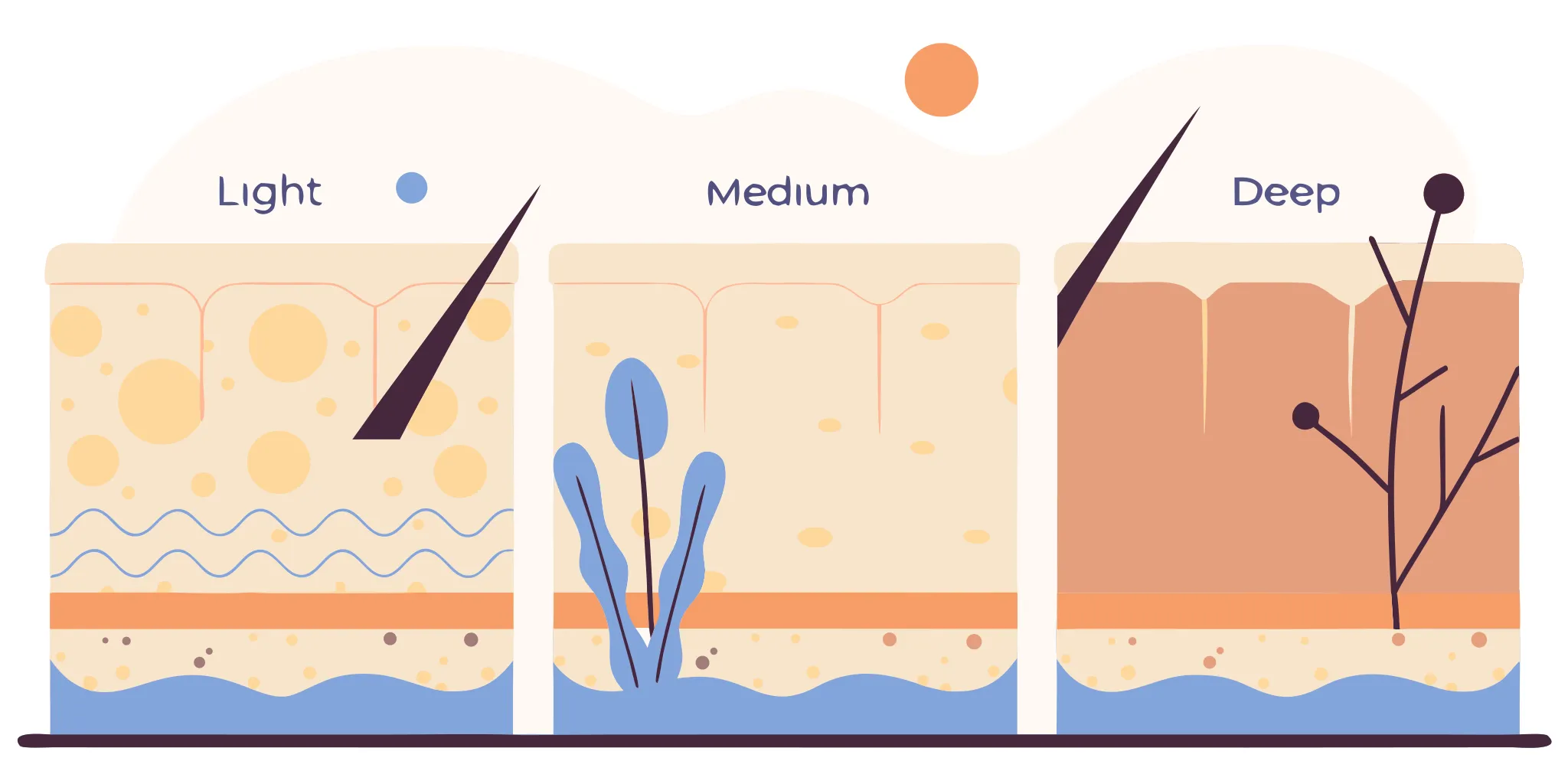
How does aftercare vary by peel depth?
Aftercare becomes more involved as peel depth increases. A light peel may cause temporary dryness or redness, while deeper treatments can involve more visible peeling and downtime. Your provider should explain the expected response and give you specific home-care instructions.
Light peels and mild healing
Light peels remove only the top layer of skin. Most people feel a slight heat like a mild sunburn after the visit. You may see slight redness or dry spots for a few days. During this time, you should use a gentle soap to keep the area clean and avoid soreness. It is best to use cool water when you wash your face. Hot water can make the skin feel more sore while it heals. You can often return to your daily life right away. But you still need to stay out of the sun and avoid harsh soaps. Using a provider-approved moisturizer helps support the skin barrier as it heals. Review the American Academy of Dermatology chemical peel FAQs and ask your provider how these general recommendations apply to you. Most light peels do not need time off. This makes them a common choice for busy people in Bakersfield. You should still wait a few days before you use any home scrubs or tools.Deep peel care and downtime
Medium and deep peels reach further into the skin to treat larger concerns like deep lines or scars. These visits lead to more swelling and clear peeling that can last for a week or more. The skin may turn dark or crusty before it starts to flake off. It is normal for the area to feel tight or itchy during this stage. You might need to take a few days off work to let the skin rest and heal. You must never pick or pull at flaking skin. Doing so can lead to lasting scars or dark spots. Many people use cool pads to help with heat or swelling. You should also drink plenty of water to help your skin heal from the inside out. Your doctor might suggest medical therapy to help the healing process and prevent issues. Staying in a cool room can also help you feel better during the first few days.Compare healing by depth
The table below shows the general themes for peel depths. Always follow the steps from your doctor for the best results.| Peel Depth | Common Response | Typical Care Need |
|---|---|---|
| Light | Mild redness and dryness | Daily gentle washing |
| Medium | Swelling and flaking | Cool pads or cloths |
| Deep | Crusting and long peeling | Total sun avoidance |
Simple rules for any depth
Some rules apply no matter which peel you choose. Sun care is the most needed step for every person. Your skin will be more sensitive to the sun for many months. You must wear a strong sunscreen every day to protect the new skin. Avoid direct sun as much as you can. Wear a wide hat if you must go outside during the day. Avoid hard work or heavy exercise for at least 48 hours to prevent heavy sweat. You should also keep your hair away from your face to avoid germs and soreness. Change your pillowcase often to keep the area clean as it heals. Do not use makeup for a few days until your doctor says it is okay. If you notice signs of infection, such as fever or pus, call your doctor right away.Why is sun protection essential after a chemical peel?
Freshly treated skin can be more vulnerable to ultraviolet exposure. Consistent shade, protective clothing, and provider-recommended broad-spectrum sunscreen help protect healing skin and support an even-looking result. Ask your provider when and how to apply sunscreen after treatment.
Sun safety is the most vital part of chemical peel prep and care. It keeps your skin safe and helps you get the best results. Taking care of your skin before and after your visit makes a big change in how you look and feel. If you ignore sun safety, you could risk your skin health and the value of your visit.
How peels change your skin
A peel takes off the top layers of skin to show a fresh, smooth look. This is a controlled removal of skin cells that helps new tissue grow. But it also means your new skin is very thin and weak for a short time. You must treat this new layer with great care to avoid any problems as it heals.
New skin does not have the same shield against the sun as old skin. It burns much faster and can get dark spots if it gets too much light. This extra weakness can last for many months after your visit. Your body needs time to build back its natural defense against the harsh world around it.
During this time, the skin can also get dry and itchy more easily. If you stay in the sun, these issues can get worse and slow down your healing. It is best to stay in cool spots and keep your skin calm while it fixes itself. This helps ensure that the new skin stays healthy and clear.
Protect your results in Bakersfield
In Bakersfield, the sun is very strong most of the year. This makes sun safety even more needed for your healing. You should stay out of direct sun as much as you can while your skin is still red or peeling. Even cloudy days in Central California can bring enough UV light to cause damage.
Wear a big hat and stay in the shade when you go out. Even a few minutes in the hot sun can cause harm to your fresh face. Using a Beautologie medical aesthetics team means learning how to block UV rays from your face. Seek out shade under trees or build your own with an umbrella.
Try to avoid being outside when the sun is highest in the sky. This is usually from ten in the morning until four in the afternoon. If you must go out, be sure to cover your skin as much as you can. Sunglasses and hats are good tools to keep in your car or bag so you are always ready.
When to resume your skincare routine
Most experts suggest you use sunscreen with SPF 30 or higher every day. You should start this habit even before your peel. Many doctors say to use sunblock for two to four weeks before your visit to prep the skin. This step helps ensure your skin is healthy and ready for the change.
Ask your team when you can start using your usual creams and soaps again. They will tell you which products are safe for your new skin. Some items you use every day might be too strong for skin that just had a peel. Following their lead is the best way to stay safe and keep your glow.
Timing your visit when the sun is less hot can also help. You might find success by scheduling your chemical peel in the winter months. During the cooler parts of the year, it is easier to avoid the high heat and bright light that can hurt your skin.
When should you contact your medical provider?
Contact your medical provider whenever symptoms feel unexpected, severe, or increasingly uncomfortable. Prompt guidance is especially important for worsening pain, spreading redness, fever, drainage, or other concerns. This article offers general education and does not replace individualized medical advice.
Most people expect some mild changes as they heal. It is normal for your skin to look red or feel slightly sore after a chemical peel consultation. These signs usually show the skin is starting to renew itself. But you should know the difference between a normal recovery and a more serious concern.
Signs of a possible infection
While problems are rare, you must watch for signs that the skin is not healing well. You should call your provider right away if you see pus or notice a fever. New or increasing pain that does not go away is also a reason to get help. According to the American Academy of Dermatology, these symptoms can mean an infection has started. Getting help fast can stop a small issue from becoming a bigger health risk.
Other reasons to call
Some skin types might react differently to the peeling agent. If your skin feels very hot or if you see deep blisters, do not wait. You should also reach out if you have a history of cold sores and feel a tingling sensation. Proper chemical peel preparation and aftercare can prevent many of these issues. But if you have any doubt about a symptom, a quick call to your medical team is the safest move.
Medical disclaimer
The information provided in this article is for educational purposes only. It is not a substitute for professional medical advice, diagnosis, or treatment. Always seek the advice of your physician or another qualified health provider with any questions you may have. Never ignore professional medical advice or delay seeking it because of something you read online. If you think you may have a medical emergency, call your doctor or 911 immediately.
Frequently Asked Questions
What should I do to prepare for a chemical peel?
Prep for a peel starts two to four weeks before your visit. You should use sunscreen and skin creams to prime the area. Based on research from PubMed, using items like tretinoin can help. You will also sign a form that lists the steps and risks. These simple tasks help your skin heal well and lower the chance of problems as you get better.
What should I avoid doing after a chemical peel?
You should avoid picking or pulling at the skin as it peels. Doing this can cause long-term scars. Do not use hot water on your face while you heal. It is also wise to skip hard workouts for at least 48 hours. Experts from the American Academy of Dermatology suggest you avoid harsh skin products or scrubs for one week after your visit.
Can I wash my face after a chemical peel?
Yes, but you must be very gentle. Only use a mild, soap free of scents that your doctor suggests. Do not use hot water on your skin while it heals. The American Academy of Dermatology notes that harsh cleaning can cause pain. Gently pat your face dry with a clean cloth. Do not rub or scrub the area until the peeling is fully done.
How often should I use SPF after a chemical peel?
You must wear sunscreen every day after your peel. New skin is very tender to light for several months. Use a product with SPF 30 or higher to shield your face from UV rays. As noted by the Mayo Clinic, your skin burns more easily after this treatment. Reapply your sun cream often if you are outside to prevent dark spots and keep your results looking great.
Ready to book your chemical peel consultation and start our plan?
A thoughtful consultation can help you understand whether a chemical peel fits your goals, schedule, and preferred recovery experience. Beautologie focuses on education, personalized care, and natural-looking results so you can make an informed decision with confidence.
Ready to book your chemical peel consultation? Book your chemical peel consultation on our website to set up your visit and start. Our staff is ready to help you reach your goals and see the best results from your medical grade chemical peel treatment soon.
Marketing Director, Beautologie


All information, images, articles and text on this website are copyrighted by Beautologie Medical Group Inc. and cannot be downloaded, copied, redistributed or used in any way without written permission.
*Individual results may vary.
Beautologie strives to ensure that its services are accessible to people with disabilities. Beautologie.com has invested a significant amount of resources to help ensure that its website is made easier to use and more accessible for people with disabilities, to provide educational resources to all. If you are experiencing difficulty with any content on Beautologie.com or require assistance with any part of our site, please contact us during normal business hours as detailed above and we will be happy to assist. If you wish to report an accessibility issue, have any questions or need assistance, please contact beautologie.com Customer Support at info@beautologie.com