


How Long Can Tummy Tuck Results Last? How Long Does a Tummy Tuck Last?

How Long Can Tummy Tuck Results Last? How Long Does a Tummy Tuck Last?
If you are asking how long does a tummy tuck last, you may be weighing whether results can endure through future life stages. The answer depends on your body, healing, and changes over time.
Schedule a consultation · Explore procedures and treatments · Call (661) 327-3800
How long does a tummy tuck last?
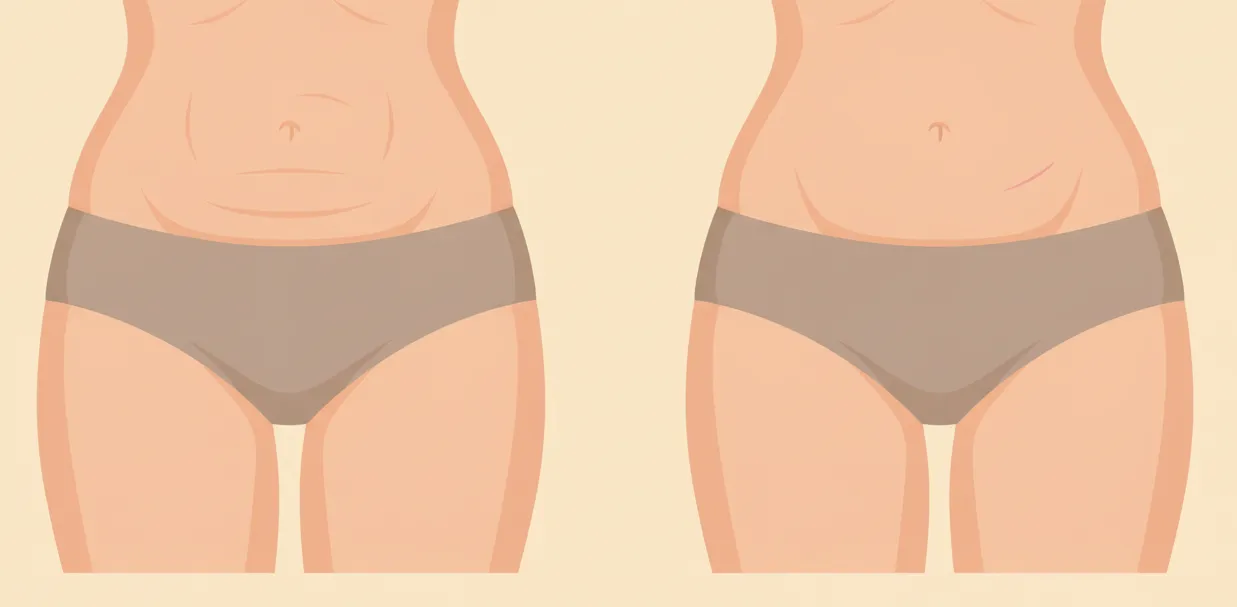
A tummy tuck removes selected excess abdominal skin and may repair separated abdominal muscles when appropriate. Results can last many years, and removed skin does not simply grow back. Still, the abdomen continues to age and respond to life events, so no procedure promises an unchanged appearance. Your own outcome depends on your body, healing, and later changes.
It helps to separate the contour created by surgery from the condition of the skin and tissues over time. Surgery can change a specific starting point; it cannot stop future weight shifts, pregnancy, or natural aging. A person who maintains a relatively stable weight and does not experience major changes may see a different course from someone whose body changes substantially. Neither pattern predicts an exact outcome for an individual.
What does "long lasting" mean after a tummy tuck?
Long lasting describes results that may remain visible over time, not a guarantee that your body will look exactly as it did just after surgery. Swelling and healing affect the early appearance. As recovery progresses, the contour becomes easier to assess. Later, normal aging and shifts in weight or body shape can influence what you see. It is useful to think of the result as a continuing process rather than one final appearance that stays fixed.
The Mayo Clinic notes that a tummy tuck scar may take up to a year to fade as much as possible and that results are usually long lasting when weight stays stable. Columbia Surgery also describes results as lasting while noting that significant weight changes can affect them. These are general points, not a forecast for an individual patient. Read the Mayo Clinic overview of tummy tuck and Columbia Surgery's guide to abdominoplasty.
A helpful way to think about longevity is that surgery changes the starting point, while your body continues to change over time. Stable weight may support a lasting contour, but pregnancy, substantial weight shifts, aging, and individual healing can all affect the appearance. Discuss your goals and health history with a medical provider rather than relying on a guarantee.
Which factors can influence how long results last?
Several factors help explain why two people can have different experiences. Some are related to the body and its changes; others concern the timing of surgery and the recovery plan. They are useful topics to raise with a provider, not a checklist that predicts an exact outcome. Considering these factors before a consultation can help you explain what matters most and ask more specific questions.
Weight changes over time
Significant weight gain or loss can stretch skin and change the outline of the abdomen. A stable weight before surgery may make it easier to plan around a more consistent body shape. Afterward, habits that support general health may help avoid avoidable fluctuations, though no particular routine guarantees a result. If your weight is changing or you anticipate a major change, discuss timing with a medical provider rather than assuming surgery should happen immediately.
For example. Someone who is still working toward a weight goal may want to ask how waiting could affect the surgical plan and what a more stable baseline would mean in their situation. Someone whose weight has been steady but who expects a major lifestyle change can raise that possibility as well. The decision depends on health, goals, and personal circumstances, so a generic timeline cannot settle it.
Pregnancy after surgery
Pregnancy can stretch abdominal skin and muscles. Some people choose to wait until they are finished having children before considering a tummy tuck, but personal circumstances vary. If pregnancy may be part of your future. Tell your provider so you can talk through timing and likely effects without assuming that one choice is right for everyone. If plans change after surgery, ask your provider how to approach any resulting changes; do not treat a general description as an individual prediction.
Aging and natural changes in skin
Skin and connective tissue change with age. A procedure cannot stop that process. Over time, the abdomen may look different even when weight is relatively steady. Sun exposure, general health, and inherited traits also affect how skin changes, though no routine can guarantee a particular surgical result. This is one reason a long-term goal is best framed around an improvement that fits your body, rather than a promise to preserve one exact look indefinitely.
Healing and individual anatomy
Healing varies from person to person. Skin quality, the amount and location of tissue addressed, muscle condition, prior surgery, and the specific surgical plan can all matter. A consultation gives the care team an opportunity to understand your anatomy and explain what a procedure can and cannot address. Beautologie provides information about its available procedures and treatments as a starting point for learning what to discuss.
The surgical plan and recovery also shape when it makes sense to assess the result. Early swelling can make the area look and feel different from its later appearance. Scars also mature gradually. A change during the first part of recovery does not necessarily tell you what the long-term contour will be. Ask your care team which changes are expected in your specific recovery and when they recommend reviewing progress.
How can you support a lasting result?
There is no maintenance routine that can freeze the body in time. Still, practical choices can support general wellbeing and help you make informed decisions if your body changes. Your surgeon's instructions take priority, particularly during recovery. The American Society of Plastic Surgeons has described preliminary evidence about lasting weight change after abdominoplasty. But that finding does not promise a specific outcome for any one person. Read the ASPS summary of that research for context on the distinction between study findings and personal expectations.
- Follow the recovery plan. Ask your surgical team what activities to pause, when to resume them, and how follow-up visits will work. Use the practice's surgery preparation guidance and post-surgery resources as practice-specific references, then confirm details with your care team.
- Work toward a steady weight. If weight changes are a concern, ask a medical provider about a realistic approach suited to your health. Avoid extreme or rapid changes without medical guidance.
- Plan around major life changes. If you anticipate pregnancy or a substantial weight change, bring it up before choosing a surgery date. The right timing depends on your situation and goals.
- Keep follow-up appointments. Follow-up gives your provider a chance to assess healing and answer questions. Contact the care team if a change worries you rather than trying to diagnose it on your own.
- Keep expectations grounded. A tummy tuck addresses selected abdominal concerns; it does not prevent future weight changes or stop aging. Ask what outcome is realistic for your anatomy and what changes might remain.
It can also help to distinguish a temporary change during recovery from a gradual shift years later. Keep track of questions or changes that concern you, including when you first noticed them, where you notice them, and whether they are continuing. You might note whether the change appeared during recovery or much later, and whether it followed a major life event. That information gives your provider a clearer starting point for a conversation; it is not a substitute for an examination or personalized guidance.
If you are unsure whether something fits your recovery plan, contact the care team instead of adjusting activity or aftercare on your own. Avoid judging a healing result by comparing it with someone else's photos or timeline: anatomy, surgical plans, and recovery differ. Your team can explain what is expected for you and whether an in-person assessment is appropriate.
For a broader discussion of habits and changes that may influence aesthetic outcomes, see Beautologie's guide to maintaining long-term results. It complements this article but does not replace procedure-specific recovery guidance.
What changes are normal during the timeline?
The exact course varies. Rather than treating a single date as the moment results are "finished," think in stages and ask your provider what is expected for your own plan. The table offers a general comparison of what a person may be considering at each stage; the care team's instructions for your procedure take priority.
| Stage | What may be happening | Helpful next step |
|---|---|---|
| Early recovery | Swelling, bruising, tenderness, and activity limits may affect how the abdomen looks and feels. | Follow instructions from your surgical team and contact them with concerns. |
| Ongoing healing | Swelling may continue to settle and scars continue to mature; appearance can keep changing. | Attend follow-ups and ask when it is appropriate to evaluate progress. |
| Longer term | The contour may remain for years, while aging, pregnancy, and weight changes can alter it. | Maintain communication with a medical provider if changes or new concerns arise. |
The Mayo Clinic's overview notes that a scar can take up to a year to fade as much as possible. This is general information rather than a personal healing schedule. It is not a deadline by which every scar will look the same, nor does it mean the abdominal contour stops changing at that point. Your provider can explain what timelines and follow-up are appropriate for the procedure performed.
When you review progress, it may help to use the questions you prepared rather than focusing on one day-to-day variation. Ask whether a change fits the stage of healing, whether there are steps to follow, and when it would make sense to check in again. If you are several years beyond surgery and notice a gradual shift, describe its timing and any relevant life changes when you speak with a medical provider.

How do you compare expectations with your provider?
A thoughtful consultation is a chance to describe what bothers you, explain what you hope to change, and learn what a tummy tuck may realistically do. It is also a place to discuss how future life events could influence the result. Beautologie encourages patients to make decisions with individualized medical guidance, rather than treating a general timeline as a promise.
It may be useful to explain not only what you want to change, but also what you hope will remain stable over time. For instance, if your priority is a smoother abdominal outline after a period of body change, say so and ask what factors could affect that goal. If you are considering surgery around a future pregnancy or another anticipated change, mention it directly. A provider can then discuss whether timing or expectations need further consideration.
Consider asking:
- What changes might be expected for my anatomy and health history?
- How could a future pregnancy or weight change affect the plan?
- What does recovery involve, and when should I contact the care team?
- How will follow-up visits help assess healing over time?
- What changes would warrant a call or an in-person evaluation?
- When should I expect to discuss the longer-term appearance, rather than early healing?
- Which concerns are within the scope of this procedure, and which may need a different plan?
You can learn more about the practice and its care approach on the Beautologie overview and review information about quality and safety. For questions about the surgical team, see the provider information. These pages are informational; a consultation is needed to discuss your individual situation.
Ready to discuss your goals?
Bring your questions about timing, recovery, and long-term changes to an individualized conversation with a medical provider. If you are still exploring, write down your main goals and any expected life changes before the appointment. That can help keep the conversation focused on your circumstances and the options a provider considers appropriate.
Talk through your next step
Explore Beautologie procedures and treatments · Call (661) 327-3800
Frequently Asked Questions About Tummy Tuck Results
Are tummy tuck results permanent?
Changes can last for many years, but "permanent" should not mean that your appearance cannot change. Significant weight changes, pregnancy, aging, and individual healing may influence the result. A medical provider can explain how these factors relate to your goals.
Can a future pregnancy change the result?
Pregnancy can stretch abdominal skin and muscles, so it may affect the contour after surgery. If you may want to become pregnant, discuss timing and expectations with a medical provider before making a decision.
Does a stable weight guarantee the same appearance?
No. A stable weight may support a lasting result, but it cannot prevent aging or guarantee a specific appearance. Healing and individual anatomy also matter.
When should I ask about a change after surgery?
Follow the instructions from your surgical team and contact them if you are concerned about healing or notice a change that worries you. Only a medical provider who can assess you can advise on your situation.
Talk through your next step
Schedule a consultation with Beautologie · Call (661) 327-3800
Results and recovery vary. Consult a qualified medical provider about your health, goals, and options before deciding whether surgery is right for you.
Marketing Director, Beautologie


All information, images, articles and text on this website are copyrighted by Beautologie Medical Group Inc. and cannot be downloaded, copied, redistributed or used in any way without written permission.
*Individual results may vary.
Beautologie strives to ensure that its services are accessible to people with disabilities. Beautologie.com has invested a significant amount of resources to help ensure that its website is made easier to use and more accessible for people with disabilities, to provide educational resources to all. If you are experiencing difficulty with any content on Beautologie.com or require assistance with any part of our site, please contact us during normal business hours as detailed above and we will be happy to assist. If you wish to report an accessibility issue, have any questions or need assistance, please contact beautologie.com Customer Support at info@beautologie.com