


How Much Fat Do You Need for a BBL? Bakersfield Guide

How Much Fat Do You Need for a BBL? Bakersfield Guide
If you are asking how much fat do you need for a BBL, the most accurate answer is that there is no universal amount. Your surgeon evaluates the fat available in donor areas, your goals, your proportions, and the amount that can be transferred safely. A consultation is the only reliable way to understand what may be possible for your anatomy in Bakersfield.
A Brazilian Butt Lift, also called gluteal augmentation, uses liposuction to harvest your own fat and then transfers selected fat to the buttocks. The result is shaped by more than a number on a scale. It depends on how much suitable donor tissue is available, how much volume you want, and how your body responds after surgery.
This guide explains how surgeons think about donor fat, why online volume estimates can be misleading, and what to discuss before choosing a BBL plan.
How Much Fat Do You Need for a BBL? What Changes the Answer
A BBL combines liposuction and fat transfer. Fat is removed from selected areas, processed, and placed into the buttocks to add shape or volume. Because the transferred tissue comes from your own body, the plan depends on both the donor areas and the look you want to achieve.
Patients often ask for one minimum number, but that approach misses the most important part of the conversation. Several factors can change the amount needed:
- Your goals, such as subtle contouring or a more noticeable change.
- The amount of suitable fat available in the abdomen, flanks, back, thighs, or other donor areas.
- Your existing proportions and the way your surgeon plans to shape the surrounding areas.
- The amount that can be transferred while keeping the procedure within appropriate safety limits.
The volume harvested is not the same as the volume transferred. Liposuction removes a mixture that must be processed before reinjection. Fluids, blood, and other unwanted material are separated during preparation, so a surgeon needs to harvest more raw material than the final amount placed into the buttocks.
That distinction is one reason internet estimates can create confusion. A volume that may be discussed in a general educational article does not tell you how much is appropriate for your body. Your plan should be based on an in-person evaluation, not a comparison with another patient's measurements or results.
Beautologie's BBL fat transfer procedure combines donor-area liposuction with gluteal enhancement. The goal is to create a balanced result while respecting the limits of your anatomy. Ask a qualified medical provider to explain how your goals, donor areas, and safety considerations fit together.
What matters most is not reaching a universal number. It is matching the amount of available donor fat with a realistic goal and a carefully planned transfer. An honest evaluation can help you understand whether your desired change is achievable, what limitations may apply, and how safety guides every decision.
| Part of the plan | What it means |
|---|---|
| Harvested fat | Raw material removed from selected donor areas through liposuction. |
| Processed fat | Material prepared for transfer after unwanted fluids and tissue are separated. |
| Transferred fat | The amount selected for placement based on your goals, anatomy, and safety limits. |
For broader safety and recovery context, read Beautologie's BBL fat-transfer guide.
How Surgeons Estimate How Much Fat Can Be Harvested and Transferred
A qualified surgeon does not calculate BBL volume from body weight alone. Instead, the evaluation looks at your overall proportions, the location and quality of available donor tissue, and the shape you want to create. The process is individualized because two people with similar weights can have very different fat distribution and body contours.
During planning, your surgeon may consider these steps:
- Discuss your goals. Explain whether you want more projection, improved roundness, better balance, or refinement of a specific contour. Clear goals help the surgeon determine what kind of change is realistic.
- Examine possible donor areas. The abdomen, flanks, back, and thighs may provide tissue for harvesting. The assessment considers whether those areas have enough suitable fat for the proposed plan and how liposuction could improve the surrounding contour.
- Assess proportions and asymmetry. Pre-existing differences in shape can affect where fat is placed. A careful plan may address asymmetries rather than treating both sides as identical.
- Process the harvested fat. Liposuction removes raw material that must be prepared before transfer. Purification helps the surgical team select tissue for reinjection.
- Plan a conservative transfer. The amount placed is based on the patient's anatomy, goals, and safety considerations. More volume is not automatically a better or safer result.
This sequence also explains why a photograph, scale reading, or online calculator cannot confirm whether you have enough donor fat. A surgeon needs to evaluate your body directly and discuss the tradeoffs of the proposed approach.
Patients should also ask how the practice approaches safety, fat processing, and follow-up. These questions are more useful than asking for a universal number because they focus the conversation on the quality of the plan and the care surrounding it.
What Happens if You Do Not Have Enough Fat for a BBL?
If an evaluation shows that your donor areas cannot provide the volume needed for your goals, that does not mean you should try to gain weight on your own or pursue an unsafe transfer. It means the plan needs an honest discussion about what your anatomy can support.
Limited donor tissue may affect the amount of fullness or projection that can be created. Your surgeon may explain that a smaller change is more realistic, recommend focusing on contour and proportion, or discuss whether another approach could better match your goals. Those decisions are personal and should be made with a qualified medical provider who has examined you.
There is no responsible substitute for an individualized assessment. A generic minimum weight, body-fat percentage, or promised volume can give a false sense of certainty. The relevant questions are whether suitable donor fat is available, where it is located, and how much can be harvested and transferred while prioritizing safety.
Patients should be cautious about plans that treat donor fat like an unlimited resource. Liposuction is a surgical procedure, and removing more fat is not always appropriate. Your surgeon should explain the expected contour changes in the donor areas, the possible limitations of fat transfer, and the recovery involved.
It is also helpful to separate the goal from the technique. You may want a balanced silhouette, more roundness, or improved proportions rather than a particular number of cubic centimeters. Describing the outcome you hope to see gives your surgeon more useful information than using another patient's measurements as a target.
Before making a decision, ask what result is realistic for your anatomy and what alternatives may be available if your first preference is not appropriate. The right plan is the one that respects your goals without ignoring medical limits.
Can You Get a BBL If You Are Slim?
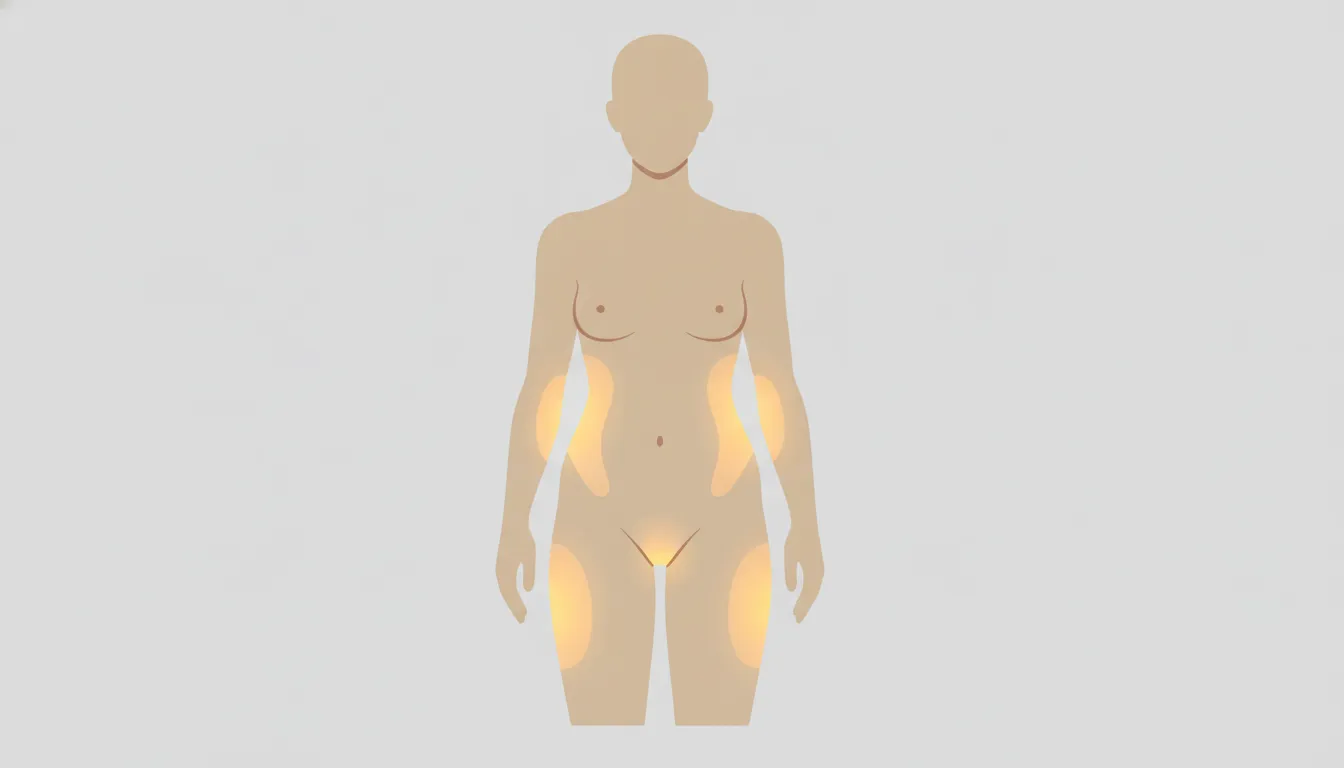
Possibly, but being slim does not provide enough information to answer the question. Some slimmer patients have donor fat in areas that may be suitable for transfer, while others have limited tissue and may be better served by a different plan. Body weight by itself does not determine candidacy.
Your surgeon will look at the distribution of fat, your proportions, the amount of enhancement you want, and the amount that can be harvested safely. If the available donor tissue is limited, the achievable change may also be limited. A thorough consultation is the right place to discuss those possibilities without pressure.
It is not a good idea to use a generic internet number as a personal target. Eating to gain weight, changing your routine, or delaying care based on an assumed threshold may not produce fat in the areas your surgeon needs. It may also make it harder to plan for a stable, natural-looking contour.
Instead, bring specific questions to your appointment:
- Which areas might be considered for fat harvesting?
- What kind of change is realistic with the available donor tissue?
- How would a smaller transfer affect shape, proportion, or projection?
- What other options should be discussed if a traditional fat-transfer plan is not appropriate?
The answers will depend on your medical history and examination. Consult a qualified medical provider for advice about whether BBL surgery is appropriate for you.
How BBL Safety Shapes Fat-Transfer Planning
Fat quantity is only one part of BBL planning. The transfer technique, facility, surgical team, and follow-up plan also matter. A safe plan should never treat the largest possible transfer as the default goal.
Professional guidance emphasizes that buttock enhancement has real surgical risks, including infection, bleeding, asymmetry, changes in sensation, wound-healing problems, fat necrosis, and the possible need for revision surgery. The American Society of Plastic Surgeons explains BBL risks and safety considerations and advises patients to discuss potential complications directly with their plastic surgeon.
In modern fat-transfer planning, surgeons pay close attention to the depth and location of injection. The aim is to place transferred fat in the appropriate subcutaneous plane rather than into or beneath the muscle. The surgeon should explain the technique used in your case and how the team monitors safety throughout the procedure.
Published medical literature has also examined structured approaches to gluteal fat grafting. One peer-reviewed report describes dividing the gluteal area into five subunits to support a more consistent, balanced approach, while a PubMed-indexed study reports an augmented safety profile associated with ultrasound-guided gluteal fat transfer. These sources do not establish a universal volume for every patient. They reinforce why technique and provider experience matter alongside donor-fat availability:
- Ask where the fat will be placed and how the injection plane is confirmed.
- Ask whether ultrasound guidance is used and how it fits into the surgical plan.
- Ask how your surgeon evaluates asymmetry and donor-area contours.
- Ask where surgery is performed and how recovery concerns are handled.
Beautologie emphasizes board-certified surgeons, an experienced medical team, and accredited surgical facilities. Learn more about the BBL fat transfer procedure and discuss your goals with a qualified medical provider. A consultation should cover both the potential benefits and the risks that apply to you.
Sources: peer-reviewed gluteal fat-grafting research and PubMed research on ultrasound-guided gluteal fat transfer.
What to Ask During a BBL Consultation in Bakersfield
A consultation should help you understand the plan, not pressure you to choose a specific volume. At Beautologie, consultations are designed as educational, individualized conversations. The practice describes consultations as 60 to 90 minutes and no pressure, giving patients time to discuss goals, anatomy, recovery, and realistic expectations.

Consider asking:
- Which donor areas appear suitable for my goals?
- How much change may be realistic based on my anatomy?
- What happens to the harvested fat before it is transferred?
- How do you plan for balance and pre-existing asymmetry?
- What safety protocols and injection techniques do you use?
- What should I expect during recovery and follow-up?
You can also ask how the surgical team supports patients before and after the procedure. Beautologie performs surgical procedures in accredited facilities and emphasizes patient education, comfort, and individualized care. Those details are important because a BBL plan includes more than the amount of fat discussed during the consultation.
For recovery-specific information, review these BBL recovery guidelines. Follow-up instructions are personal, so consult your medical provider and follow the directions given for your procedure.
If you are considering BBL surgery in Bakersfield, you can learn more about gluteal augmentation or call (661) 327-3800 with questions. The next step is an informed conversation about your goals and what may be appropriate for your body.
Frequently Asked Questions About BBL Fat Requirements
How much fat is needed for a BBL?
There is no universal amount. The required volume depends on your goals, body proportions, available donor tissue, and what your surgeon determines can be transferred safely. A personal estimate requires an examination and consultation with a qualified medical provider.
Can you get a BBL if you are slim?
Some slim patients may have suitable donor fat, while others may have limited tissue for transfer. Body weight alone does not answer the question. Your surgeon must assess donor areas, desired changes, and safety considerations before recommending a plan.
How is donor fat evaluated for a BBL?
A surgeon evaluates overall body composition, the location of available fat, your proportions, and your desired result. The assessment may also consider asymmetry and how liposuction could shape the donor areas. Online calculators cannot replace this evaluation.
What happens if I do not have enough fat for a BBL?
Your surgeon may discuss a smaller or more contour-focused result, explain the limits of the available tissue, or review other options. Do not try to reach an assumed internet threshold on your own. Ask a qualified medical provider what is appropriate for your anatomy.
How much fat is typically transferred during BBL surgery?
The amount varies by patient goals, donor-fat availability, and surgical safety limits. The volume harvested is different from the purified volume transferred. More volume is not automatically better, and your surgeon should explain the tradeoffs in your individualized plan.
This information is educational and does not replace medical advice. Consult a qualified medical provider for recommendations about BBL surgery, candidacy, risks, and recovery.
Take the Next Step With an Individualized BBL Plan
How much fat you need for a BBL cannot be answered responsibly with a single number. Donor-area availability, your goals, body proportions, transfer technique, and safety considerations all shape the recommendation. A thoughtful consultation can help you understand what may be realistic for your anatomy.
Beautologie provides educational consultations for patients considering gluteal augmentation in Bakersfield. Bring your questions, ask about the full care process, and take time to make a decision that feels informed and comfortable.
Learn more about an individualized BBL fat transfer plan or call (661) 327-3800.
Marketing Director, Beautologie


All information, images, articles and text on this website are copyrighted by Beautologie Medical Group Inc. and cannot be downloaded, copied, redistributed or used in any way without written permission.
*Individual results may vary.
Beautologie strives to ensure that its services are accessible to people with disabilities. Beautologie.com has invested a significant amount of resources to help ensure that its website is made easier to use and more accessible for people with disabilities, to provide educational resources to all. If you are experiencing difficulty with any content on Beautologie.com or require assistance with any part of our site, please contact us during normal business hours as detailed above and we will be happy to assist. If you wish to report an accessibility issue, have any questions or need assistance, please contact beautologie.com Customer Support at info@beautologie.com