


Texture Resurfacing: Laser vs. Chemical Peel
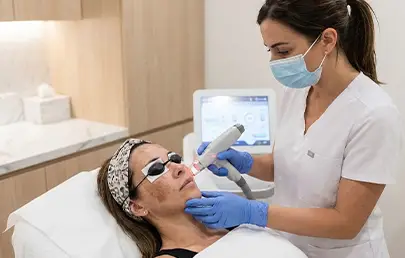
Texture Resurfacing: Laser vs. Chemical Peel
Uneven skin texture, sun damage, dark spots, and discoloration are some of the most common skin concerns we see at Beautologie Cosmetic Surgery, Medical Aesthetics & Wellness. If you’re researching solutions, you’ve likely narrowed it down to two popular options: laser resurfacing and chemical peels.
Both treatments can dramatically improve skin tone and texture—but they work in very different ways, and the right choice depends on your skin, lifestyle, and expectations. This guide walks you through the differences clearly and honestly, so you can make a confident, informed decision without pressure.
What Is Laser Resurfacing and How Does It Work?
Laser resurfacing uses controlled light energy to target damaged skin cells while stimulating collagen production underneath the surface.
What laser resurfacing treats
- Uneven skin texture
- Sun damage and age spots
- Hyperpigmentation and melasma (select cases)
- Fine lines and wrinkles
- Acne scars
What it does not treat well
- Significant skin laxity (without combining treatments)
- Pigment conditions that are hormonally driven without maintenance
How it works in the body
Laser energy creates precise thermal injury in the skin, prompting the body to shed damaged cells and rebuild collagen. Depending on the laser type (ablative vs non-ablative), treatment can reach superficial or deeper dermal layers, making lasers especially effective for stubborn texture and pigment concerns.
What Are Chemical Peels and How Do They Work?
Chemical peels use medical-grade exfoliating solutions to remove damaged outer layers of skin and stimulate renewal.
What chemical peels treat
- Dull or uneven skin tone
- Mild hyperpigmentation
- Fine lines
- Acne and congestion
- Early texture irregularities
What they do not treat well
- Deep acne scarring
- Moderate to severe texture changes
- Advanced sun damage in a single session
How they work in the body
Peels trigger controlled exfoliation of the epidermis and sometimes the upper dermis, encouraging fresh, smoother skin to emerge. The depth of a peel (light, medium, or deep) determines both results and downtime.
Am I a Good Candidate for Laser Resurfacing or Chemical Peels?
Ideal candidates for laser resurfacing
- Moderate texture irregularities
- Sun damage or age spots
- Acne scarring
- Patients seeking longer-lasting results
- Those comfortable with a few days of downtime
Ideal candidates for chemical peels
- Mild pigment issues
- Early texture concerns
- Acne-prone or congested skin
- Patients wanting minimal downtime
- Those preferring gradual improvement
Who may not be a candidate
- Active skin infections or open wounds
- Certain inflammatory skin conditions
- Pregnancy
Does age, skin type, or weight matter?
- Age: Both treatments work at various ages; lasers are often chosen as collagen loss increases
- Skin type: Proper settings make both safe for many skin tones, but expertise matters
- Weight: Does not significantly affect outcomes
What if I’ve had fillers, Botox, or surgery?
Both treatments can be safely performed with proper timing and planning. Many patients combine resurfacing with injectables for comprehensive rejuvenation.
What Results Can You Realistically Expect?
Laser resurfacing results
- Noticeable improvement in texture and pigment
- Brighter, smoother skin within weeks
- Continued collagen improvement over months
Chemical peel results
- Fresher, more even skin tone
- Gradual improvement with multiple sessions
- Best for surface-level concerns
Both treatments prioritize natural-looking results, not drastic changes. Results vary based on skin condition and adherence to aftercare.
How Long Do Results Last?
Laser Resurfacing:
Results often last 12–24 months, especially with good skincare and sun protection.
Chemical Peels:
Results typically last 3–6 months, with maintenance peels recommended.
Longevity depends on sun exposure, skincare habits, and the underlying cause of pigmentation.
How Many Treatments or Sessions Are Needed?
Laser resurfacing
- Initial treatment: 1 session for many patients
- Maintenance: As needed, often annually or biannually
Chemical peels
- Initial series: 3–6 treatments
- Maintenance: Every 3–4 months
Your provider will tailor the plan to your skin—not a generic package.
Downtime, Recovery & Lifestyle Considerations
Laser resurfacing
- Downtime: 3–7 days (varies by laser depth)
- Redness and peeling common
- Makeup typically allowed after healing phase
- Avoid sun exposure strictly during recovery
Chemical peels
- Downtime: Minimal to a few days depending on depth
- Light flaking or peeling
- Most patients return to work quickly
Lasers offer stronger results, while peels offer convenience.
Is It Safe? Risks, Side Effects & Provider Expertise
Both treatments are FDA-cleared and widely used when performed by trained professionals.
Common temporary side effects
- Redness
- Peeling or flaking
- Sensitivity
Why provider expertise matters
- Proper depth and energy selection prevents complications
- Skin-type assessment reduces pigment risk
- Medical oversight ensures safe customization
How Much Does Laser Resurfacing or a Chemical Peel Cost? Is It Worth It?
Pricing varies based on:
- Treatment depth
- Technology or peel type
- Number of sessions
- Provider expertise
General comparison
- Chemical peels: Lower cost per session, ongoing maintenance
- Laser resurfacing: Higher upfront cost, longer-lasting results
Value depends on results—not just price.
Laser Resurfacing vs Chemical Peels vs Other Options
Vs microneedling:
Microneedling improves texture mildly; lasers go deeper.
Vs topical skincare:
Skincare supports results but rarely corrects established texture or pigment alone.
Vs surgery:
Resurfacing improves skin quality, not structural laxity.
Is Laser Resurfacing or a Chemical Peel Worth It?
Patients often ask:
- Will this actually fix my pigmentation?
Lasers are often better for deeper pigment. - Will my skin look natural?
Yes—results develop gradually. - Is this part of a long-term plan?
Absolutely. Maintenance matters.
Choosing the Right Provider in Bakersfield
When choosing a provider, look for:
- Medical supervision
- Experience with multiple resurfacing options
- Personalized treatment planning
- Conservative, safety-first philosophy
Technology matters—but expertise matters more.
Key Takeaways
- Laser resurfacing treats deeper texture and pigment concerns
- Chemical peels are best for mild, surface-level issues
- Lasers offer longer-lasting results
- Peels require more frequent maintenance
- Personalized consultation is essential
Frequently Asked Questions (FAQ)
Which is better for dark spots—laser or peel?
Lasers are typically more effective for stubborn pigment.
Can chemical peels worsen pigmentation?
Improper depth or aftercare can increase risk—expert guidance is key.
Is laser resurfacing painful?
Topical numbing is used; discomfort is usually manageable.
How soon will I see results?
Peels show faster surface changes; lasers improve over weeks.
Can these treatments be combined?
Yes, many patients alternate or layer treatments.
Is laser resurfacing safe for the face and neck?
Yes, when performed by experienced providers.
How long should I avoid sun exposure?
Strict sun avoidance is critical during healing for both.
Which is better for acne scars?
Laser resurfacing generally provides superior results.
Beautologie Cosmetic Surgery, Medical Aesthetics & Wellness proudly serves patients in Bakersfield, California and surrounding Kern County communities. Our medically supervised team offers advanced laser resurfacing and customized chemical peel treatments designed to improve skin texture and pigmentation safely and effectively.
Let’s find the right skin-resurfacing solution for you!
Schedule a personalized consultation to discuss your skin concerns, lifestyle, and whether laser resurfacing or a chemical peel is the best fit for your goals.
Results vary. Consultation required. This content is for general educational purposes and does not replace medical advice.
Marketing Director, Beautologie


All information, images, articles and text on this website are copyrighted by Beautologie Medical Group Inc. and cannot be downloaded, copied, redistributed or used in any way without written permission.
*Individual results may vary.
Beautologie strives to ensure that its services are accessible to people with disabilities. Beautologie.com has invested a significant amount of resources to help ensure that its website is made easier to use and more accessible for people with disabilities, to provide educational resources to all. If you are experiencing difficulty with any content on Beautologie.com or require assistance with any part of our site, please contact us during normal business hours as detailed above and we will be happy to assist. If you wish to report an accessibility issue, have any questions or need assistance, please contact beautologie.com Customer Support at info@beautologie.com