


Laser Skin Resurfacing Acne Scars Bakersfield Guide
Laser Skin Resurfacing Acne Scars Bakersfield Guide
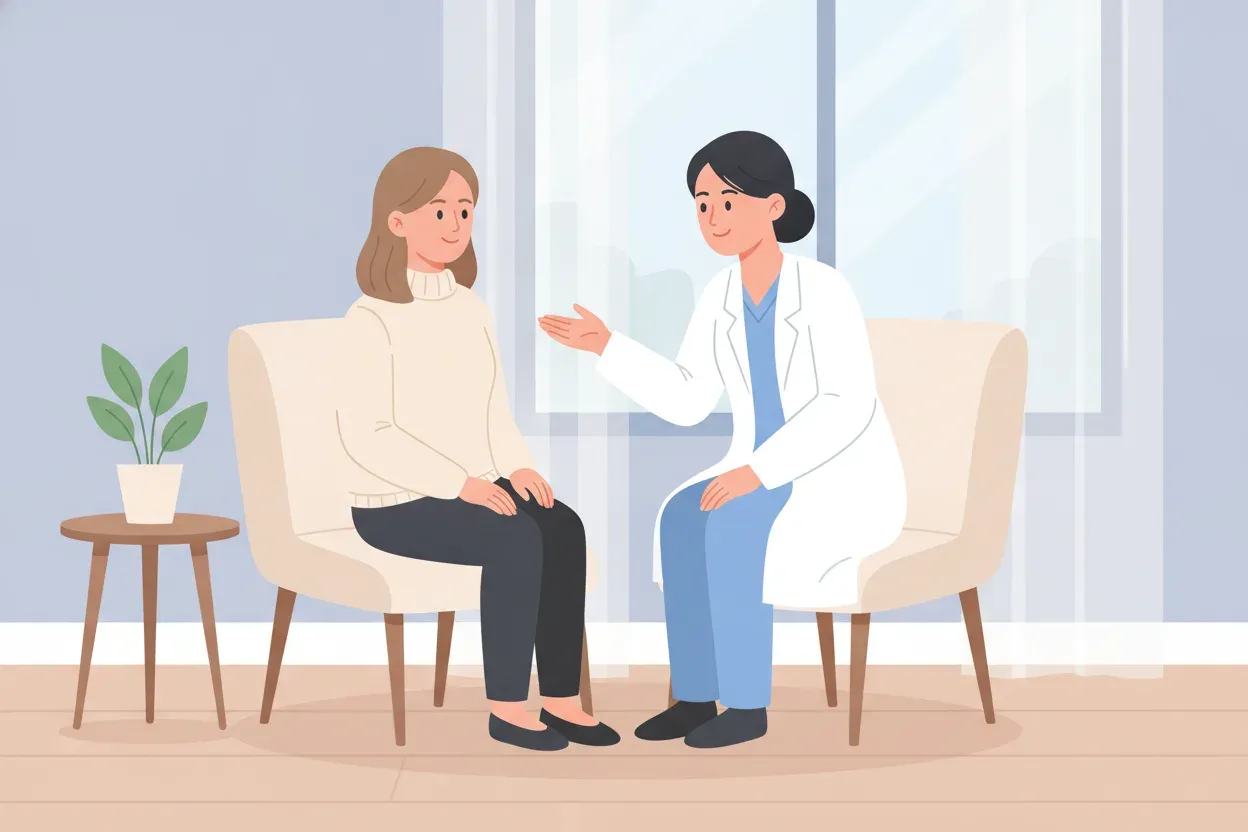
Acne scars can look different from one person to the next. Treatment should begin with careful assessment rather than a one-size-fits-all device or plan. The goal is usually to soften uneven texture and help you feel more comfortable in your skin. Recovery and safety also remain central to planning.
Review Bakersfield skin resurfacing options or call (661) 327-3800 to discuss your goals with the Beautologie medical team.
For adults researching laser skin resurfacing acne scars bakersfield, the right approach depends on scar type, location, skin tone, overall health, and whether active acne is still present. Laser treatment may make a scar less noticeable, but it cannot remove a scar completely. A medical consultation is essential before treatment so a qualified provider can discuss realistic options and expectations.
Understanding how resurfacing interacts with different acne-scar patterns can make a Bakersfield consultation more productive. It also helps clarify why the treatment method, intensity, and overall plan may need to be tailored to your skin.
How Laser Skin Resurfacing Treats Acne Scars in Bakersfield
Laser resurfacing may make some acne scars less noticeable by encouraging healthier-looking skin texture, but it cannot erase a scar completely. The most appropriate plan depends on the type and location of the scars. It also depends on how many are present, your skin tone, and whether active acne is still causing new inflammation. Ice-pick scars and rolling scars, for example, may require different approaches. The American Academy of Dermatology explains that scar treatment should begin with an assessment rather than a one-size-fits-all recommendation.
Laser resurfacing may be considered for mild to moderate acne scars, including changes in skin texture. If breakouts are active, acne treatment may come first so new lesions do not continue to create scars. A medical consultation is essential before treatment. The clinician should evaluate the scar characteristics, skin type, overall health, medications, and supplements, then discuss what level of improvement is realistic.
Laser resurfacing can be broadly described as ablative or nonablative. Ablative treatment removes or treats the outer layer of skin and stimulates collagen in the underlying tissue. Carbon dioxide and erbium lasers are examples of ablative systems. Nonablative treatment is less aggressive and generally involves a shorter recovery, although its results may be more subtle. Both approaches can use fractional delivery, which creates microscopic columns of treated tissue while leaving surrounding skin available to support healing. Fractional treatment may reduce recovery time and side-effect risk, but more than one session may be needed. Mayo Clinic describes these resurfacing categories and tradeoffs in its patient guidance.
For people researching laser skin resurfacing acne scars Bakersfield, the practical question is not simply which device sounds strongest. It is whether the selected approach matches the scar pattern, skin characteristics, health history, and available recovery time. Beautologie's Bakersfield skin resurfacing treatments page can help you review the practice's relevant service information, but it does not establish that a specific acne-scar laser is offered. Discuss available options with the medical team rather than assuming a particular device is appropriate.
Medical note: This information is educational and does not determine candidacy or replace advice from a qualified medical provider. Ask about potential pigment changes, irritation, infection, and other risks before choosing treatment.
Is Laser Resurfacing Right for Your Acne Scars?
The most useful candidacy discussion begins with your skin, your goals, and the type of scars you want to improve. A medical provider will examine the scars closely, consider their type and location, and ask how they affect your confidence and daily life. Ice-pick scars and rolling scars may require different approaches, so there is no single plan that fits everyone.
Active breakouts also matter. If acne is still developing, treatment may begin with controlling the acne before addressing the scars. This can help prevent new scars from forming while a provider evaluates whether resurfacing, another treatment, or a combination approach makes sense for you. The Bakersfield skin resurfacing treatments page offers local service information, but it does not confirm that Beautologie provides a specific acne-scar laser protocol.
What to discuss during a Bakersfield consultation
During a consultation in Bakersfield, or for a patient traveling from elsewhere in Kern County, be prepared to describe the change you hope to see. Do you want smoother-looking texture, less noticeable depressions, or a more even overall appearance? Clear goals help the medical team explain what may be realistic and what limitations to expect. Laser treatment may make a scar less noticeable, but it cannot remove a scar completely. The American Academy of Dermatology explains why a medical consultation is important before laser treatment.
Your skin tone is another important consideration. A provider should assess how your skin may respond, along with the scar characteristics, severity, and number of scars. Some resurfacing treatments can cause darker or lighter treated skin, and people with brown or Black skin may have a higher risk of longer-lasting color changes. This does not determine your options by itself, but it makes individualized planning and risk discussion especially important.
Share your health history and recovery needs
Tell the provider about your overall health, previous skin reactions, cold sores, current medications, and supplements. Also discuss how much downtime you can manage, whether your schedule allows careful aftercare, and how you plan to protect your skin from the sun during healing. These practical details can influence the approach, timing, and recovery plan.
Beautologie's local information supports an education-first, no-pressure conversation about available aesthetic services. It does not confirm that a particular laser, setting, or acne-scar protocol is appropriate for you. Medical information here is general education, not medical advice. Consult a qualified medical provider for an examination and individualized recommendation before choosing treatment.
Preparing for Treatment and Planning Recovery
Preparation starts before the treatment room. During a medical consultation, discuss the change you hope to see, your available recovery time, and how much time you can devote to aftercare. The plan should account for your skin type, scar characteristics, overall health, medications, and supplements. Because there is no single best acne-scar treatment for everyone, a clinician should help you weigh potential benefits and limitations for your skin.

Sun protection is especially important. The American Academy of Dermatology advises protecting your skin before and after laser treatment. Treatment on tanned or sunburned skin can increase the risk of burns or discoloration, and sun exposure during healing may contribute to another scar. Ask your clinician how to protect the treated area, and follow the recommended skincare routine rather than adding new products on your own.
What to share before treatment
- Provide a complete list of prescription medicines, over-the-counter products, vitamins, and supplements.
- Tell the clinician about relevant health conditions, previous skin reactions, and any history of cold sores.
- Discuss current acne, because active breakouts may need attention before scar treatment.
- Ask which products or activities to pause, and when you can resume your usual routine.
Plan downtime around the expected intensity of treatment. Fractional approaches may shorten recovery and reduce side-effect risk, but more than one session may be recommended. During healing, treated skin may swell, itch, hurt, or feel as though it is burning. Laser resurfacing can also cause bacterial, viral, or fungal infection, and treated skin may become darker or lighter than it was before. People with brown or Black skin may have a higher risk of long-term color changes, so skin tone should be part of the safety discussion.
Before leaving your consultation, ask how follow-up will work, which symptoms require a call, and when the clinician wants to reassess your healing. These details help you respond promptly if recovery differs from expectations. For additional preparation guidance, you can review Beautologie's professional skincare products, but use only products recommended for your situation.
Medical information is educational and does not replace an examination or individualized advice. Consult a qualified medical provider before pursuing laser resurfacing for acne scars.
Laser Resurfacing, Chemical Peels, and RF Microneedling
Several treatment categories may be discussed when someone wants to improve the appearance of acne scars, but they are not interchangeable. The right option depends on factors such as scar type, skin type, severity, health history, and how much recovery time fits your schedule. A qualified medical provider can help determine whether one approach, a staged plan, or a combination of methods is appropriate.
How common acne-scar treatment categories differ| Treatment category | General approach | Possible concern addressed | Recovery discussion | Why consultation matters |
|---|---|---|---|---|
| Laser resurfacing | Uses ablative or nonablative laser energy. Fractional methods create microscopic columns of treated tissue. | May improve the appearance of some acne scars and uneven texture. It does not remove a scar completely. | Recovery varies by approach. Fractional treatment may shorten recovery, but multiple sessions may be needed. | Skin tone, scar characteristics, overall health, and treatment intensity affect safety and planning. |
| Medical-grade chemical peels | Uses a professionally selected chemical solution to exfoliate or renew targeted layers of skin. | May be considered for selected surface-level texture or tone concerns, depending on the individual assessment. | Expected peeling, sensitivity, and activity restrictions depend on the formulation and depth selected. | Provider assessment helps match the peel to the concern, skin characteristics, and aftercare ability. |
| Microneedling and PRP treatments | Microneedling creates controlled micro-injuries; PRP may be discussed as an adjunct in an individualized plan. | May be considered for certain texture concerns without using laser energy. | Temporary redness, sensitivity, or swelling may be discussed. The expected course depends on the plan. | Scar type, skin condition, goals, and whether an adjunct is suitable require clinical review. |
| Morpheus8 skin rejuvenation | Uses fractional radiofrequency microneedling for skin tightening and remodeling. | May be considered for selected texture or remodeling goals, rather than treated as a direct substitute for every laser approach. | Recovery and repeat-treatment needs vary with treatment settings and individual response. | A provider should determine whether radiofrequency microneedling fits the scar pattern and desired outcome. |
Medical sources note that radiofrequency and pulsed-light procedures may make scars less noticeable without damaging the outer skin layer, although results can be subtle and repeat treatments may be needed. There is no single best acne-scar treatment for everyone. During a consultation, ask how the recommended modality relates to your scar type, skin tone, active acne status, recovery needs, and realistic outcome. Beautologie describes Morpheus8 as fractional radiofrequency microneedling and Venus Viva as nano-fractional radiofrequency for texture improvement, but service availability and suitability should be confirmed directly.
This information is educational and does not replace medical advice. Consult a qualified medical provider for an examination and personalized recommendation, especially if you have active acne, a history of pigment changes, or other skin or health concerns.
What Results Can You Realistically Expect?
Laser resurfacing is intended to make acne scars less noticeable, not erase them completely. The change may appear as smoother-looking texture, softer edges, or less contrast between scarred and surrounding skin. The degree of improvement depends on the scar pattern, skin type, treatment approach, healing response, and the experience of the clinician performing the procedure.

Some people may need more than one session, particularly when a fractional approach is selected. Fractional treatment creates microscopic columns of treated tissue and may offer a shorter recovery than more aggressive resurfacing, but repeat treatments can still be part of the plan. Other patients may benefit from combining methods because ice-pick, rolling, and other scar types do not respond identically to the same treatment.
A 2025 systematic review of seven studies on fractional CO2 laser therapy reported that most patients experienced a 30% to 70% improvement in scar appearance. That range describes results reported across the studies, not a prediction for any individual, and it should not be treated as a promise. The review also noted temporary redness, swelling, and post-inflammatory hyperpigmentation among reported adverse events, along with a need for more research focused on long-term monitoring. Read the systematic review.
Why skin tone and healing matter
Skin tone is an important part of safe treatment planning. Laser resurfacing can cause treated skin to become darker or lighter, and people with brown or Black skin may have a higher risk of longer-lasting color changes. This does not automatically rule out treatment, but it does make a careful medical assessment, conservative planning, and clear aftercare instructions especially important.
Results can also vary because active acne, scar depth, sun exposure, medications, and overall health affect the treatment plan and recovery. A qualified medical provider should examine your skin, discuss realistic goals, and explain whether laser resurfacing or another option is appropriate for you. Medical information cannot replace an individualized evaluation, so consult a qualified medical provider before making treatment decisions.
Questions to Ask Before Choosing Acne Scar Treatment
A thoughtful consultation should help you understand what may suit your skin, your scars, and your daily life. Before meeting with a qualified medical provider in Bakersfield, consider writing down these questions and bringing a complete health history.
- What type of acne scars do I have, and where are they located? Ice-pick, rolling, and other scar patterns may require different approaches. Ask how the scar type, number, and location affect the plan.
- Should my active acne be treated first? If breakouts are ongoing, ask whether acne management should come before resurfacing or another scar treatment.
- How does my skin tone affect treatment selection and safety? Skin tone can influence planning and the risk of temporary or longer-lasting color changes. Ask what precautions and alternatives may be appropriate for you.
- What medications, supplements, or health conditions should I disclose? Bring an up-to-date list of everything you take. Also mention relevant health history, including a history of cold sores, so the provider can plan safely.
- What improvement is realistic for my scars? Laser treatment may make a scar less noticeable, but it cannot remove a scar completely. Ask what changes are plausible for your specific scars and whether more than one approach may be considered.
- How much downtime should I plan for? Ask about expected redness, swelling, itching, burning, discomfort, work limitations, and when you can resume normal activities.
- What aftercare will I need? Clarify cleansing, sun protection, products to avoid, and warning signs that require a call. Sun protection is especially important before and after treatment.
- When will follow-up happen? Ask when your skin will be reassessed, how progress will be measured, and when the next treatment decision should be made.
These questions can help you compare options without treating one procedure as the right answer for everyone. For patients researching Bakersfield skin resurfacing treatments, the next step is an individualized discussion with the medical team. Beautologie serves patients in Bakersfield and nearby Kern County communities, but the appropriate option depends on an in-person medical assessment and confirmed service availability. Consult a qualified medical provider before making treatment decisions.
Discuss your acne-scar resurfacing options or call (661) 327-3800 to speak with the Beautologie medical team.
Frequently Asked Questions About Laser Skin Resurfacing for Acne Scars
Can laser resurfacing remove acne scars completely?
Laser treatment may make acne scars less noticeable, but it cannot remove a scar completely. Results depend on the scar type, skin type, severity, and treatment plan, so a medical consultation is important before choosing an approach. The American Academy of Dermatology explains that laser treatment can improve a scar's appearance without eliminating it.
Is laser resurfacing appropriate for every type of acne scar?
No. Ice-pick scars and rolling scars may require different approaches, and active acne may need attention before scar treatment begins. A qualified medical provider should examine your scars, skin tone, overall health, and goals before recommending laser resurfacing or another modality.
How is laser resurfacing different from RF microneedling or chemical peels?
These are distinct treatment categories, not interchangeable terms. Laser resurfacing uses laser energy, while radiofrequency procedures and chemical peels use different methods and may have different recovery and result profiles. Your provider can explain which option best matches your scar characteristics, skin, and downtime preferences.
What should I tell my provider before treatment?
Share your medications, supplements, health history, skin-care routine, and any history of cold sores. Also discuss your desired changes, available recovery time, and current sun exposure. Sun protection is important before and after treatment, and treating tanned or sunburned skin can increase the risk of burns or discoloration.
What risks should I discuss during a consultation?
Possible effects include swelling, itching, pain, burning sensations, infection, and temporary or longer-lasting changes in skin color. People with brown or Black skin may have a higher risk of long-term color changes. This information is educational, not medical advice; consult a qualified medical provider for guidance specific to your skin.
Discuss Your Skin Resurfacing Options
A thoughtful consultation can help clarify which acne-scar treatment options may align with your skin, medical history, goals, and recovery preferences. Adults in Bakersfield and Kern County can review Beautologie's skin resurfacing information and contact the medical team to discuss appropriate next steps. A qualified medical provider can help you understand potential benefits, limitations, and risks for your individual situation.
Review skin resurfacing options or call (661) 327-3800 to discuss your goals with the Beautologie medical team.
Marketing Director, Beautologie


All information, images, articles and text on this website are copyrighted by Beautologie Medical Group Inc. and cannot be downloaded, copied, redistributed or used in any way without written permission.
*Individual results may vary.
Beautologie strives to ensure that its services are accessible to people with disabilities. Beautologie.com has invested a significant amount of resources to help ensure that its website is made easier to use and more accessible for people with disabilities, to provide educational resources to all. If you are experiencing difficulty with any content on Beautologie.com or require assistance with any part of our site, please contact us during normal business hours as detailed above and we will be happy to assist. If you wish to report an accessibility issue, have any questions or need assistance, please contact beautologie.com Customer Support at info@beautologie.com