


Post-Op Infection Prevention After Plastic Surgery

Post-Op Infection Prevention After Plastic Surgery
Preparing for plastic surgery involves more than planning for the procedure itself. The days before surgery and the early recovery period both affect how well an incision heals, so clear communication and careful attention to your surgical team's instructions matter.
Post-op infection prevention includes following your surgeon's pre-operative and post-operative instructions, keeping the incision clean and dry as directed, practicing careful hand hygiene, and promptly reporting concerning changes. Your surgeon will tailor guidance to your procedure and health history, so consult your medical provider before making decisions about your recovery.
A surgical site infection occurs when germs enter the area where surgery was performed, often through an incision. It is one of the most commonly discussed risks of any procedure. Yet it is also one of the most preventable when patients and their surgical teams work together. Learning why prevention matters can help you recognize your role in a safe recovery and understand exactly how your care team supports you at every stage. The information below draws on guidance from the Centers for Disease Control and Prevention. The Mayo Clinic, and other trusted sources to help you approach your recovery with confidence. Beautologie's breast augmentation in Bakersfield guide offers additional procedure-specific education for patients considering breast surgery. The same principles apply across breast and body procedures such as breast lift and mommy makeover.
Why Post-Op Infection Prevention Matters After Plastic Surgery
A surgical site infection is an infection in the part of the body where surgery took place. It can develop when germs enter through an incision, which is why post-op infection prevention is an important part of a safe recovery, not an optional add-on. The Centers for Disease Control and Prevention (CDC) identifies surgical site infections as a concern after procedures that involve an incision. Learn more about breast augmentation in Bakersfield and the recovery planning that accompanies surgical care.
Consult Beautologie's board-certified plastic surgeons about breast augmentation and what post-op infection prevention looks like for you - call (661) 327-3800.
Preventing infection begins with a partnership between you and your surgical team. Careful preparation, clean incision care, and prompt communication can help protect healing tissue. Following your personalized instructions gives your care team the best opportunity to identify concerns early and guide you toward a safe, supported recovery.
Plastic surgery patients may have several factors that require close attention after an operation. Surgical incisions create a temporary opening in the skin while tissue heals. Depending on the procedure, a patient may also go home with drains that remove fluid or compression garments that support the treated area. Each requires specific instructions, and touching, adjusting, or cleaning these items incorrectly can interfere with healing or introduce germs.
Infection risk is also connected to how well the body can repair tissue. Existing health conditions, medications, and individual healing patterns can affect recovery, so your surgeon should know about your complete medical history before surgery. The most useful prevention plan is personal rather than generic. It may address incision care, bathing, dressings, drain management, activity, garments, and when to contact the office.
Patient participation matters throughout the process. A customer safety resource notes that following pre-operative and post-operative instructions is essential for minimizing concerns such as post-operative infection. That includes asking questions before surgery, reviewing written directions, and contacting the care team when an instruction is unclear instead of guessing. Always follow your surgeon's specific instructions and contact your care team if your recovery does not seem to be progressing as expected.
Prevention does not mean every change after surgery signals a complication. Swelling, tenderness, and drainage can be part of normal healing, depending on the procedure. However, increasing redness, warmth, swelling, pain, or drainage around an incision deserves attention. Your surgeon can assess the change in context and tell you whether an in-person evaluation or another step is needed.
This information is educational and does not replace medical advice. Consult your surgeon or another qualified medical provider for guidance about your procedure, health history, incision, drains, compression garments, and recovery.
Steps Your Surgical Team Takes to Prevent Infection
Infection prevention begins before you arrive for surgery and continues through every stage of recovery. Your surgical team combines patient screening, preparation, sterile practices, attentive wound closure, and clear follow-up instructions to reduce avoidable risk. The Centers for Disease Control and Prevention identifies preoperative skin preparation and prophylactic antibiotic use, when appropriate, as key components of surgical site infection prevention.
Before surgery: screening and preparation
During consultation and preoperative planning, your team reviews your medical history, medications, allergies, previous surgeries, and any condition that could affect healing. Be open about nicotine use, supplements, medications, and recent illness. The team may give you specific bathing or skin-preparation instructions, including the use of a chlorhexidine wash when appropriate for your procedure. Follow those directions exactly, and do not apply products to the surgical area unless your care team approves them.
- Review your health information: Screening helps the team identify concerns that may require additional planning or treatment before surgery.
- Prepare the skin: Preoperative cleansing helps reduce microorganisms on the skin around the planned incision. Use only the product and timing recommended for you.
- Use antibiotics appropriately: Prophylactic antibiotics may be given when indicated for the procedure. They are selected and timed by the surgical team, so patients should not self-start antibiotics.
- Clarify your instructions: Understanding when to stop eating or drinking, which medicines to take, and how to prepare your home supports a safer procedure. Patient adherence to preoperative and postoperative instructions is essential for reducing safety concerns, including infection.
During surgery: sterile technique and careful tissue handling
On the day of surgery, the team prepares the operating area, uses sterile instruments and protective equipment, and follows established infection-control protocols. Beautologie's board-certified plastic surgeons perform procedures in accredited surgical facilities. Customer safety data associates the use of accredited surgical facilities with a 9.5% reduction in adverse events. Accreditation does not eliminate every risk, but it reflects a facility's commitment to defined standards, protocols, and oversight.
After the procedure, the surgeon carefully assesses the incision and closes it using the technique most appropriate for the operation and your tissue. A thoughtful closure helps protect the surgical site while supporting healing. Dressings are then applied according to the procedure, and recovery staff review what to expect before you leave.
After surgery: instructions and responsive follow-up
Before discharge, your team explains how to care for the incision, when to shower, how to manage dressings, and which activities to avoid. Keep the area clean and dry as instructed, and always follow your surgeon's specific directions rather than general advice found online. Your care team remains reachable after surgery, so contact them promptly if something seems unusual or if you are unsure about a wound-care step.
These measures work together. Your preparation, the facility's protocols, the surgical team's technique, and timely communication all contribute to recovery. Medical information is general and does not replace individualized advice. Consult your medical provider and follow your surgeon's specific instructions for your procedure.
Sources: CDC surgical site infection prevention guidance.
What You Can Do at Home to Lower Your Infection Risk
Once you are home, consistent care helps protect healing incisions. Start by washing your hands thoroughly with soap and water before touching an incision, changing a dressing, checking a drain, or applying any product. The Centers for Disease Control and Prevention identifies hand hygiene as one of the most effective ways to prevent the spread of infection. Always follow your surgeon's specific instructions and contact your care team if you are unsure about any step.
Keep your recovery area calm, clean, and organized. Set up supplies before surgery so you do not have to search for them while tired or uncomfortable. A clean surface, fresh linens, and easy access to prescribed medications can make it simpler to follow your plan without unnecessary touching or movement.
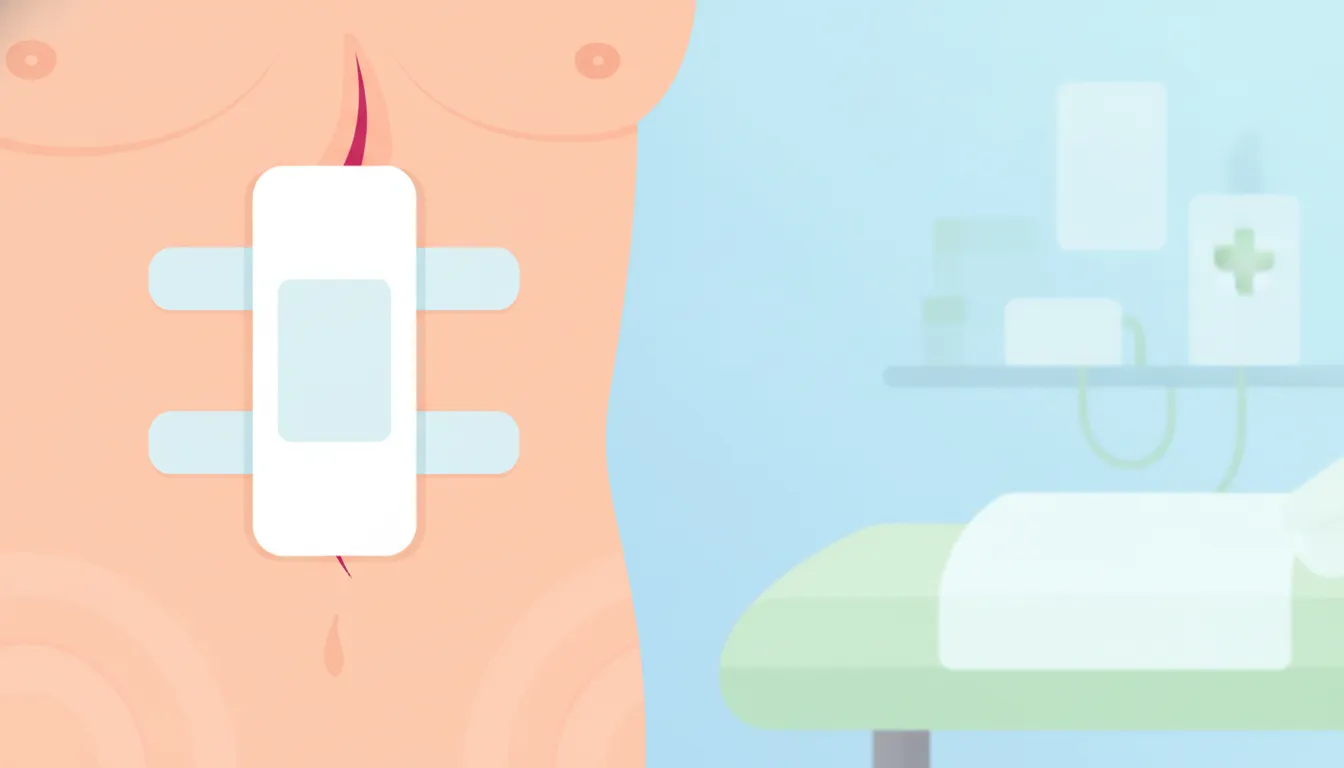
Follow your incision and dressing instructions
- Keep the incision clean and dry as directed. Do not shower, bathe, or remove a dressing until your surgeon says it is appropriate, and follow the exact instructions for showering and dressing changes.
- Keep dressings and drains clean. Wash your hands before handling them, avoid pulling or repositioning a drain unless instructed, and record any drainage details your care team asks you to track.
- Do not pick at scabs, adhesive, sutures, or healing skin. Avoid applying creams, ointments, alcohol, or other products unless they are specifically recommended by your surgical team.
- Do not soak an incision in a bathtub, pool, hot tub, or natural body of water until your surgeon confirms that it is safe. Moisture and exposure can interfere with healing.
- Wear clean, loose clothing and use only recommended compression garments or recovery products. See Beautologie's garments and products for recovery for guidance on items selected for the post-surgery period.
Your broader health habits matter, too. Mayo Clinic advises avoiding tobacco and nicotine products for four to six weeks before surgery and four weeks afterward. This includes nicotine patches, gum, and lozenges. Nicotine can make healing more difficult. Obesity and diabetes may also increase the risk of complications, including poor wound healing and infection. So discuss your health history, medications, nutrition, and blood sugar management with your provider before surgery.
Eat the foods recommended by your care team, drink fluids as allowed, and take medications exactly as prescribed. Do not change a medication or supplement without asking. Beautologie's post-surgery recovery guide can help you review common recovery instructions, but it does not replace your personalized plan.
Small, consistent habits can give your incision the best opportunity to heal. Clean hands, careful dressing and drain management, nicotine avoidance. And prompt communication are practical ways to stay involved in your recovery without trying to manage complications on your own.
When to ask for help
Contact your surgical team promptly if you notice a change that concerns you. Such as worsening redness, swelling, warmth, drainage, increasing pain, fever, or an incision that begins to open. Your surgeon's office can tell you what needs urgent attention and what can be monitored. Always follow your surgeon's specific instructions and contact your care team rather than relying on general online guidance.
Schedule a consultation with Beautologie or call (661) 327-3800 to discuss personalized surgical recovery guidance.
Medical disclaimer: This information is for education only and is not a diagnosis or a substitute for medical advice. Always consult your surgeon or another qualified medical provider about your individual care, symptoms, medications, and recovery plan.
Signs of Post-Operative Infection to Watch For
Some redness, swelling, tenderness, and drainage can be part of normal early healing. The important question is whether these symptoms are improving as expected or becoming more pronounced. A surgical site infection can develop where an incision was made. So paying attention to changes at the surgical site gives your care team an opportunity to evaluate concerns early. The Centers for Disease Control and Prevention (CDC) identifies increased redness, swelling, warmth, or drainage around an incision as signs patients should watch for.
Most people recover without an infection. Johns Hopkins Medicine reports that surgical site infections develop in about 1% to 3% of surgical procedures. That means vigilance is worthwhile without assuming that every change signals a complication. Your surgeon and postoperative team can help distinguish expected healing from a concern that needs attention.
Normal healing compared with signs to watch for
| Often part of normal healing | Signs you may want to report |
|---|---|
| Mild redness that gradually settles. | Redness that spreads or becomes more pronounced. |
| Small amount of clear or slightly pink drainage early on. | Drainage that grows heavier or turns yellow, green, or foul-smelling. |
| Some swelling and tenderness that improves over days. | Swelling, warmth, or pain that increases rather than improves. |
| A low-grade settling sensation as the body adjusts. | Fever or feeling unusually unwell during recovery. |
| An incision that stays closed and neat. | An incision that pulls apart, opens, or feels hot to the touch. |
Changes around the incision that deserve a call
Contact your surgical team promptly if you notice a new, worsening, or unusual symptom, especially when several changes occur together. Watch for:
- Increasing redness, swelling, warmth, or pain around the incision rather than gradual improvement.
- Drainage that becomes heavier or changes in appearance, including yellow or green fluid, or drainage with a foul odor.
- A fever or feeling unusually unwell during recovery.
- An incision that begins to pull apart, opens, or feels distinctly hot to the touch.
These symptoms do not confirm an infection on their own. They are reasons to contact the professionals directing your recovery. Do not wait for a routine follow-up if a symptom is rapidly worsening, and do not apply products. Remove dressings, or begin treatment unless your surgical team tells you to do so. Follow your surgeon's specific instructions for incision care, showering, dressings, medications, and activity.
When to reach out
Use the postoperative instructions provided by your practice for the fastest contact method. Beautologie patients can also review the postoperative contact information for guidance on reaching the care team. Having a question does not mean you have done anything wrong. Prompt communication helps the team give individualized advice and, when needed, arrange an evaluation.
This information is educational and is not a diagnosis or medical advice. Always follow your surgeon's specific instructions and contact your care team about symptoms after surgery. If you have severe or rapidly worsening symptoms, seek urgent medical attention as directed by your provider.
When Should You Contact Your Surgeon About a Potential Infection?
Contact your surgeon promptly if you notice a change that concerns you, especially if symptoms are increasing rather than improving. Possible warning signs include a fever, spreading redness, increasing swelling or warmth around the incision, worsening pain, or drainage that is new, heavier, cloudy, or foul-smelling. The Centers for Disease Control and Prevention identifies increased redness, swelling, warmth, or drainage around an incision as signs patients should watch for during recovery. Learn more from the CDC.
Do not wait for several symptoms to appear before reaching out. A fever may deserve a call even when the incision looks acceptable, and increasing pain should be discussed when it differs from the recovery pattern your surgeon described. If the wound opens, the surrounding skin changes quickly, or you feel unusually unwell, contact your surgical team as soon as possible. Early communication allows your provider to assess what is happening and explain the next appropriate step.
When you are unsure whether a change is normal, it is appropriate to ask. Beautologie's clinical team provides 24/7 access for urgent questions after surgery, so you do not have to manage uncertainty alone. Use the postoperative contact information provided by your care team, and keep your surgeon's instructions available when you call.
Until you receive guidance, avoid applying unapproved products to the incision, picking at scabs, or changing dressings in a way that conflicts with your instructions. Keep the area clean and dry as directed. The CDC recommends following your surgeon's specific instructions for showering and dressing changes. Always follow your surgeon's wound-care and contact instructions, even if general online guidance says something different.
Ready to learn more about recovery with Beautologie's board-certified plastic surgeons? Call (661) 327-3800 or book a consultation.
Medical disclaimer: This information is educational and does not diagnose or treat an infection. Consult your surgeon or another qualified medical provider for personalized advice about your symptoms.
Frequently Asked Questions About Post-Op Infection Prevention
How can I prevent infections after plastic surgery?
Follow your surgeon's preoperative and postoperative instructions closely, keep scheduled follow-up appointments, and protect the incision from unnecessary touching or contamination. Hand hygiene is one of the most effective ways to reduce the spread of infection, according to the CDC. Always follow your surgeon's specific instructions and contact your care team with questions.
What are the early signs of infection after surgery?
Contact your surgical team if you notice increasing redness, swelling, warmth, drainage, worsening pain, or other changes around the incision. These symptoms can have different causes, so do not try to diagnose an infection on your own. Always follow your surgeon's specific instructions and contact your care team promptly if something seems concerning.
How should I care for my surgical incision site?
Keep the incision clean and dry, and follow your surgeon's directions for showering, dressing changes, activity, and medication. Avoid applying products or removing dressings unless your care team tells you to do so. The CDC recommends following the surgeon's specific incision-care instructions. Always follow your surgeon's specific instructions and contact your care team before changing your routine.
Does smoking increase the risk of post-op infection?
Nicotine can interfere with healing and increase surgical risks. The Mayo Clinic advises avoiding tobacco and nicotine products for 4 to 6 weeks before surgery and 4 weeks afterward, when directed by your medical provider: Mayo Clinic cosmetic surgery guidance. Always follow your surgeon's specific instructions and contact your care team for individualized advice.
Ready to Schedule Your Consultation?
A consultation can help you understand infection-prevention steps, recovery expectations, and questions specific to your procedure. Schedule a consultation with Beautologie's board-certified plastic surgeons by calling (661) 327-3800. Your surgeon will provide individualized medical guidance, so always follow your surgeon's specific instructions and contact your care team about concerning symptoms.
Marketing Director, Beautologie


All information, images, articles and text on this website are copyrighted by Beautologie Medical Group Inc. and cannot be downloaded, copied, redistributed or used in any way without written permission.
*Individual results may vary.
Beautologie strives to ensure that its services are accessible to people with disabilities. Beautologie.com has invested a significant amount of resources to help ensure that its website is made easier to use and more accessible for people with disabilities, to provide educational resources to all. If you are experiencing difficulty with any content on Beautologie.com or require assistance with any part of our site, please contact us during normal business hours as detailed above and we will be happy to assist. If you wish to report an accessibility issue, have any questions or need assistance, please contact beautologie.com Customer Support at info@beautologie.com