


Sclerotherapy Bakersfield: A Patient Guide
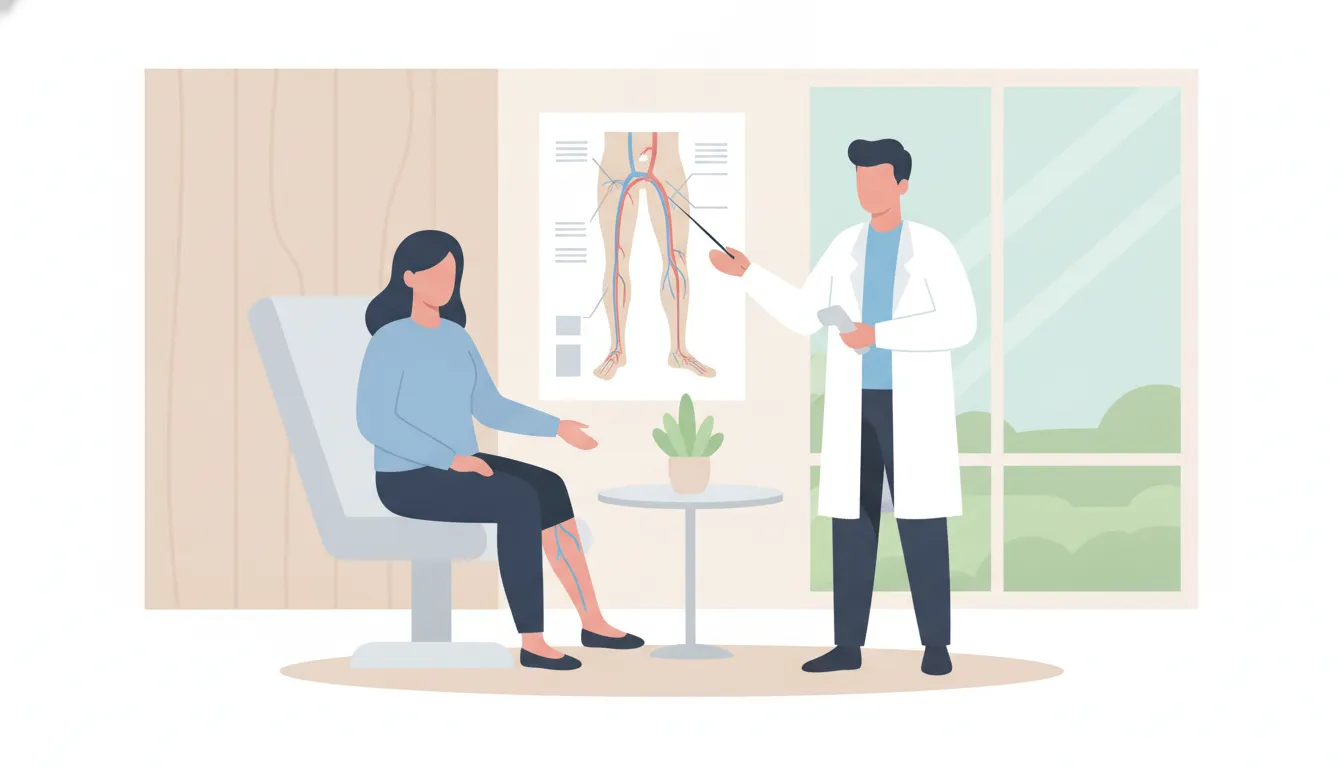
Sclerotherapy Bakersfield: A Patient Guide
Review vein treatment options or call (661) 327-3800 to discuss your questions with the Beautologie medical team.
Sclerotherapy in Bakersfield is an injectable treatment in which a qualified provider places a solution into a targeted vein. The solution encourages the vein to close and gradually redirects blood through healthier veins. It may be used for spider veins and some smaller varicose veins, but the right approach depends on your veins, medical history, goals, and examination. Learn more from the National Center for Biotechnology Information.
What Is Sclerotherapy and What Does It Treat?
Sclerotherapy is an injectable treatment approach used for certain visible veins. A qualified medical provider uses a small needle to place a carefully selected solution into a targeted blood vessel. The solution irritates the vessel lining, prompting the treated vein to close and gradually become less visible as blood is redirected through other, healthier veins. Injection sclerotherapy is considered minimally invasive and is used for venous varicosities, including spider veins and some smaller varicose veins. Learn more about injection sclerotherapy.
Spider veins, also called telangiectasias or thread veins, are clusters of small blood vessels that can be seen through the skin. They may look like thin red, blue, or purple lines and most often appear on the legs, although they can occur in other areas. Their underlying vascular origin can vary, so an evaluation is important before choosing a treatment approach. The National Center for Biotechnology Information explains spider veins in more detail.
Appearance-focused goals
For many people, the main goal of treatment is to improve the appearance of visible veins. Spider veins rarely cause health problems, but they can occasionally become painful or feel bothersome. Sclerotherapy may also relieve symptoms associated with some venous conditions, although the appropriate goal depends on the vein pattern, symptoms, medical history, and provider assessment. Results are not guaranteed, and treatment may not be suitable for every vein or every patient.
Choosing between sclerotherapy and another vein treatment requires an individualized discussion. A provider may examine the visible veins, ask about symptoms and health history, and determine whether additional evaluation is appropriate. The solution, technique, and treatment plan should be selected by a qualified medical professional rather than based only on photographs or general information.
This article is educational and does not provide medical advice. If you are considering sclerotherapy in Bakersfield, consult a qualified medical provider to discuss your concerns, potential benefits, risks, alternatives, and whether treatment is appropriate for you.
How Sclerotherapy Works for Visible Veins
Sclerotherapy uses a very fine needle to place a carefully selected solution into a targeted vein. The solution irritates the inside of the vessel, causing it to close and gradually develop scar tissue. Blood can then reroute through healthier nearby veins, while the treated vessel becomes less noticeable over time. This is different from laser vein treatment, which uses energy delivered through the skin rather than an injected solution.
In clinical practice, sclerotherapy may be performed in an office-based setting, depending on the veins being evaluated and the provider's treatment plan. The approach can be used for certain spider veins and other visible venous concerns, but not every vein responds in the same way. The goal may be cosmetic improvement, and some patients may also experience relief from symptoms associated with venous insufficiency. A qualified medical provider should determine whether those symptoms require additional evaluation.
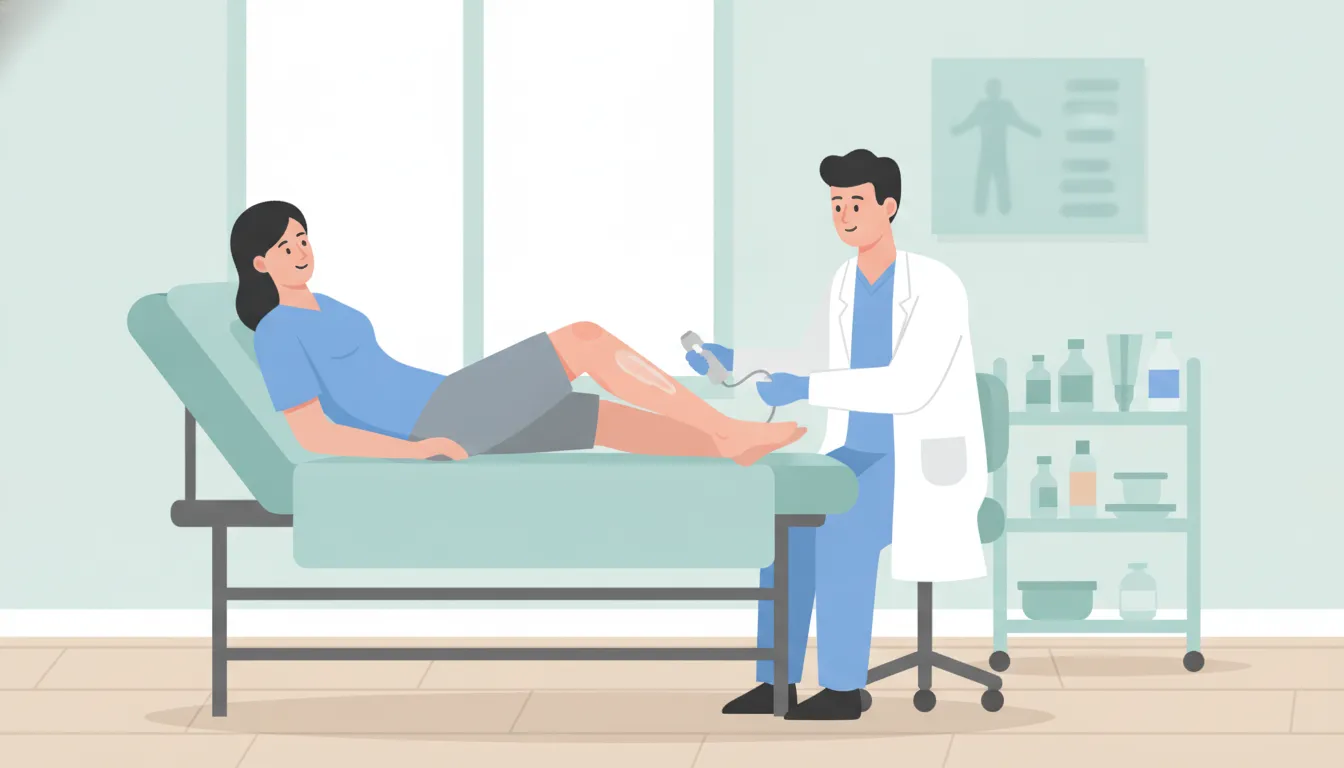
What a provider evaluates
A consultation typically begins with a discussion of your concerns, medical history, goals, and any symptoms such as aching or discomfort. The provider examines the visible veins and considers their size, color, pattern, location, and relationship to surrounding vessels. If the examination suggests an underlying circulation concern, diagnostic imaging may be appropriate. Sclerotherapy may be performed with or without ultrasound guidance, depending on the clinical situation.
The solution is not chosen by appearance alone. Different sclerosants have different indications and best-practice profiles, so treatment planning should be individualized. Your provider may also discuss whether an injectable approach or a distinct option, such as laser vein treatment in Bakersfield, better fits the veins being assessed. Beautologie's laser service page describes an in-office laser treatment that may take about 30 to 60 minutes, but that timing should not be applied to sclerotherapy.
Visible veins can have different causes and patterns, so online information cannot establish a diagnosis or recommend a treatment for you. Consult a qualified medical provider for an evaluation, especially if your veins are painful, changing, or accompanied by swelling or other symptoms.
Sclerotherapy or Laser Vein Treatment in Bakersfield?
Both sclerotherapy and laser vein treatment may be discussed when visible spider veins or other small veins are a concern, but they use different methods. Sclerotherapy is an injectable approach. A qualified provider places a sclerosant solution into the targeted vessel, which prompts the vessel to close and allows blood to redirect through healthier veins. Laser treatment is energy-based and uses focused light or laser energy to heat and affect selected vessels through the skin.
Neither option is automatically the right choice for every person or every vein. The most appropriate plan depends on the appearance and location of the veins, their size and depth, your medical history, and your goals. A consultation should also clarify whether visible veins may be associated with an underlying circulation concern. When venous insufficiency is suspected, a provider may consider additional evaluation or imaging rather than treating appearance alone. Medical reference information describes both sclerotherapy and light-based approaches among options for spider veins.
| Consideration | Sclerotherapy | Laser vein treatment |
|---|---|---|
| Treatment method | Uses a needle to deliver a sclerosant into a selected vein. | Uses energy directed through the skin toward selected vessels. |
| Common planning questions | Which veins are suitable for injection, and what solution and technique are appropriate? | Which vessels may respond to the available laser platform and settings? |
| What determines the plan | Vein size, location, appearance, medical history, and provider assessment. | Vessel characteristics, skin considerations, goals, and provider assessment. |
Beautologie offers energy-based laser systems for vascular lesions, but discussing laser does not mean it is suitable for every vein. If you are comparing options, review the information about laser vein treatment in Bakersfield and bring your questions to a qualified medical provider. The consultation is the appropriate place to discuss whether an injectable or energy-based approach fits your anatomy and expectations. Individual results, risks, and the need for more than one treatment can vary.
Learn about laser vein treatment or call (661) 327-3800 to discuss which questions to bring to a consultation.
This information is educational and is not a diagnosis or personal medical advice. Consult a qualified medical provider before choosing treatment, especially if a vein is painful, changing, or associated with swelling or other symptoms.
What Happens During and After Sclerotherapy?
The details of sclerotherapy can vary based on the veins being treated, your medical history, and the approach selected by a qualified provider. A consultation should explain what to expect and give you an opportunity to discuss your goals, questions, and aftercare plan. In general, the process may include these stages:
- Preparation and evaluation. Before treatment, the provider reviews your health history, examines the visible veins, and discusses whether sclerotherapy is appropriate. If there is concern about underlying venous insufficiency, additional evaluation or imaging may be considered. Tell the provider about current medications, allergies, pregnancy, breastfeeding, and any previous vein treatment. Do not follow generic preparation advice in place of the instructions given for your own appointment.
- Cleaning and injections. The treatment area is cleaned, and the provider uses a small needle to place a selected sclerosant into the targeted vein. The solution irritates the vein lining, causing a healing response that can eventually close the treated vessel. Blood can then be redirected through healthier veins. Some people notice brief stinging, mild discomfort, or cramping during an injection. Sclerotherapy is often performed in an office setting, but the technique and use of guidance depend on the veins and the provider's assessment. Clinical reference information describes sclerotherapy as an individualized procedure that may be performed with or without ultrasound guidance.
- Immediate aftercare. Your provider will explain what to do after the injections. Compression may be recommended for some patients, but the type, duration, and fit should come directly from the treating provider. Mild redness, swelling, bruising, or tenderness around injection sites can occur. These effects often improve over several days to a week, although your experience may differ. Ask when it is appropriate to resume exercise, work, and other activities rather than assuming that another patient's timeline applies to you.
- Fading and follow-up. Treated veins do not disappear instantly. They may fade over several weeks or months as the body processes the closed vessel. Some patients see improvement after one session, while others need additional sessions based on the number, size, and response of the veins being treated. Follow-up helps the provider assess progress, discuss any concerns, and determine whether another treatment is appropriate. Sclerotherapy in Bakersfield should be planned around realistic expectations, not a guaranteed result or fixed schedule.
This overview is general education, not medical advice. Consult a qualified medical provider for an evaluation of visible veins, individualized preparation instructions, possible risks, and appropriate follow-up.
Is Sclerotherapy Safe for Everyone?
Sclerotherapy can be appropriate for many adults with visible spider veins or smaller varicose veins, but it is not automatically right for every person. Safety begins with a medical assessment, not with choosing a treatment from a menu. During a consultation, a qualified provider should review your medical history, examine the veins, discuss your goals, and decide whether injection sclerotherapy is suitable. If venous insufficiency is suspected, additional imaging may be considered. This evaluation helps distinguish a cosmetic concern from a condition that may need a different type of care. Clinical reference information notes that diagnosis is generally based on examination, with imaging used when venous insufficiency is suspected.
Pregnancy and breastfeeding can also affect treatment timing. People who are pregnant, trying to become pregnant, or breastfeeding should tell the provider before discussing sclerotherapy. A provider can explain whether postponing treatment is appropriate and what alternatives, if any, may be considered. Do not rely on a general online checklist to determine your own eligibility. The right timing depends on your health history, the veins being evaluated, and the provider's medical judgment.

What temporary effects can occur?
Some people experience mild discomfort or cramping during an injection. Bruising, swelling, redness, or tenderness around the injection sites can occur afterward. These effects are commonly temporary, often improving within days to about a week, although individual recovery varies. A provider may recommend compression garments or stockings as part of aftercare, depending on the treatment plan. Following the instructions provided after treatment is important, including guidance about activity, skin care, and when to contact the office.
What are the less common risks?
Less common complications can include skin-color changes, an allergic reaction, skin ulceration, or a blood clot. The concentration and type of sclerosant can influence discomfort and adverse reactions, so the choice should be made by a qualified medical provider rather than self-selected. A review of sclerosing agents found differences in adverse reactions and pain across some agents and concentrations, without establishing one agent as best for every patient. The Cochrane review supports discussing the evidence, risks, and expected benefits as part of shared decision-making.
Seek medical guidance before treatment if you have concerns about your history, medications, pregnancy, breastfeeding, or circulation. This information is educational and does not diagnose a condition or replace advice from a qualified medical provider. Discuss whether sclerotherapy is appropriate for you, along with its potential benefits, limitations, and risks.
Choosing a Provider for Sclerotherapy in Bakersfield
A thoughtful consultation should feel like an evaluation, not a sales presentation. Ask how the provider assesses visible veins, what information is needed about your medical history. And whether additional examination or imaging may be appropriate when an underlying vein concern is suspected. A qualified medical provider should also discuss your goals, explain whether injectable sclerotherapy is being considered, and clarify when another approach may be more appropriate.
Ask who performs the treatment and what training and experience they have with vein procedures. You can also ask which sclerosant may be used, why it fits your situation, and whether the technique may involve ultrasound guidance. These questions are not about choosing the most aggressive option. They help you understand the plan and participate in shared decision-making based on your veins, preferences, and expectations.
Informed consent should cover the intended benefits, limitations, possible discomfort, bruising, swelling, skin-color changes, allergic reactions, and rare clot-related complications. Tell the provider about your medical history, medications, prior vein problems, pregnancy or breastfeeding, and any symptoms that concern you. The provider should give you an opportunity to ask questions before treatment and explain what follow-up may involve. Be cautious of anyone who promises that every vein will disappear or presents one treatment as best for every patient.
Comfort and privacy are also reasonable parts of the conversation. Ask what comfort measures are available, how your privacy will be protected, what aftercare instructions you will receive, and whom to contact if you have concerns after treatment. For local context, you can learn more about the Beautologie Bakersfield location and its approach to Bakersfield medical aesthetics. Those pages can help you understand the practice, but they do not replace a personal medical evaluation or confirm that a specific procedure is appropriate for you.
If you are researching sclerotherapy in Bakersfield, consult a qualified medical provider before making a treatment decision. Individual recommendations depend on your history, vein characteristics, goals, and an in-person assessment.
Review vein treatment options or call (661) 327-3800 to discuss your questions with the Beautologie medical team.
Frequently Asked Questions About Sclerotherapy in Bakersfield
What is sclerotherapy used to treat?
Sclerotherapy is an injectable treatment commonly used for visible spider veins and some smaller varicose veins. A qualified provider evaluates the veins, your medical history, and your goals before determining whether this approach is appropriate. Treatment is often intended to improve appearance, although some vein-related symptoms may also improve.
How is sclerotherapy different from laser vein treatment in Bakersfield?
Sclerotherapy uses a small needle to place a solution into a targeted vein, while laser vein treatment uses energy delivered through the skin. They are distinct approaches, and neither is automatically the right choice for every vein or patient. A consultation can help clarify which option fits the vein pattern and treatment goals being evaluated.
How long does it take to see results after sclerotherapy?
Treated veins generally fade gradually rather than disappearing immediately. Some changes may become noticeable over the following weeks, while the final course can take longer. More than one treatment may be recommended for some veins. Your provider should explain realistic expectations during the consultation.
Is sclerotherapy safe for everyone?
No treatment is appropriate for everyone. A provider should review your health history, medications, symptoms, and goals, and may recommend additional evaluation when needed. Pregnancy or breastfeeding can affect treatment timing. Possible effects include bruising, swelling, discomfort, and skin-color changes, with rare clot-related complications. Consult a qualified medical provider for advice about your situation.
Ready to Explore Your Vein Treatment Options?
Choosing a vein treatment starts with a conversation about your concerns, medical history, and goals. A qualified medical provider can explain whether an injectable or laser-based approach may be appropriate for you.
Review Beautologie's laser vein treatment information or call (661) 327-3800 to discuss next steps with the medical team.
Marketing Director, Beautologie


All information, images, articles and text on this website are copyrighted by Beautologie Medical Group Inc. and cannot be downloaded, copied, redistributed or used in any way without written permission.
*Individual results may vary.
Beautologie strives to ensure that its services are accessible to people with disabilities. Beautologie.com has invested a significant amount of resources to help ensure that its website is made easier to use and more accessible for people with disabilities, to provide educational resources to all. If you are experiencing difficulty with any content on Beautologie.com or require assistance with any part of our site, please contact us during normal business hours as detailed above and we will be happy to assist. If you wish to report an accessibility issue, have any questions or need assistance, please contact beautologie.com Customer Support at info@beautologie.com