


BBL Recovery: What to Expect in the First 8 Weeks

BBL Recovery: What to Expect in the First 8 Weeks
BBL Recovery: What to Expect in the First 8 Weeks
BBL recovery is a gradual healing process that usually includes several weeks of pressure precautions, changing activity limits, and follow-up guidance. The first days often bring the most swelling, bruising, and discomfort, while positioning and daily routines evolve as healing progresses.
Learn more about gluteal augmentation and BBL care or call (661) 327-3800.
BBL recovery usually unfolds over six to eight weeks of initial healing, with direct pressure, strenuous activity, and expectations adjusted along the way. Many patients plan for about two weeks away from work, but your surgeon's instructions should guide your individual timeline.
For patients in Bakersfield and throughout Kern County, understanding what to expect can make each stage feel more manageable. Beautologie emphasizes personalized care, realistic expectations, and ongoing support, including regular check-ins and access to the clinical team for urgent concerns. Its liposuction service page explains how body contouring may relate to a BBL plan.
This overview is educational and does not replace medical advice from your surgeon. Early healing begins with protecting the treated areas, managing discomfort as directed, and knowing when to ask for help.
The First 72 Hours: Positioning, Drains, and Discomfort Management
During the first 72 hours of BBL recovery, prioritize rest, pressure protection, prescribed comfort measures, and the positioning plan from your surgical team. Swelling and bruising are expected for many patients, but worsening symptoms or uncertainty should prompt a call to your medical provider.
The first three days after a Brazilian Butt Lift (BBL) are usually a period of rest, careful positioning, and close attention to your surgeon's instructions. Swelling, bruising, and discomfort are often most noticeable during the first week, so temporary limitations are expected. The goal is to protect the newly treated areas while your body begins healing.
Pressure avoidance is especially important. Your surgeon may instruct you to sleep on your stomach or side and avoid resting directly on your buttocks. Sitting may be restricted, too. If sitting is necessary for a specific reason, your care team may recommend a BBL pillow, which shifts pressure toward the thighs rather than the grafted area. Follow the exact positioning plan provided for you, because restrictions can vary according to the details of your procedure.
Managing discomfort and movement
Take prescribed comfort measures only as directed by your clinical team. Do not add, stop, or change medication without asking the prescriber. Some patients may also be encouraged to take brief, light walks when their surgeon considers movement appropriate. Gentle movement can be part of a recovery plan, but it should not become strenuous activity, prolonged standing, or an attempt to push through significant pain.

Plan your first 72 hours around support and convenience. Keep commonly used items within reach, arrange transportation and assistance, and use the recommended sleep position. Avoid lifting, vigorous activity, and any movement that creates pressure or pulling around treated areas. Rest does not mean ignoring your body. Notice changes and communicate them rather than trying to diagnose them yourself.
Compression and drains
A compression garment may be part of your surgeon's plan to support the new contours and help manage swelling. Wear it according to the instructions you receive, including guidance about fit, bathing, and when it may be removed. Do not assume that tighter is better or substitute a different garment without approval.
Drains are used only when prescribed for your procedure. If you leave surgery with a drain, your team should explain how to care for it, record output, and recognize concerns. Do not remove, reposition, empty, or troubleshoot a drain beyond those instructions. Drainage tubes may help reduce the risk of fluid buildup after some body-contouring procedures, but the presence, duration, and care of a drain are individualized. Mayo Clinic describes fluid buildup and drainage tubes as considerations in buttock lift recovery.
When to contact your clinical team
Use the contact instructions provided at discharge for questions or changes that concern you. Contact the clinical team promptly if symptoms are worsening, a drain or incision appears abnormal, or you are unsure whether a change is expected. Seek urgent medical attention for severe symptoms such as trouble breathing, chest pain, fainting, or rapidly worsening swelling. Beautologie patients can contact the clinical team for urgent concerns during recovery, using the instructions provided by their care team.
This information is general education, not individualized medical advice. Your surgeon's instructions take priority. Speak with your medical provider or clinical team about your symptoms, medications, positioning, activity, compression garment, and drain care.
What Does BBL Recovery Look Like During Weeks 2 to 4?
Weeks 2 to 4 of BBL recovery often bring more comfortable movement, but direct pressure on the buttocks may still be restricted. Follow your surgeon's sitting, pillow, garment, work, and activity instructions because the safe progression depends on your procedure and healing.
By the second week, many patients notice that the sharpest discomfort has eased, but healing is still underway. Swelling, bruising, tightness, and changes in shape can continue during this stage. A Brazilian butt lift, or BBL, transfers fat to the buttocks, so the treated areas need protection while the tissue settles. Recovery does not move forward at exactly the same pace for everyone.
At this point, your daily routine may begin to feel more manageable, but that does not mean the grafted area is ready for normal pressure. A patient education article from the American Society of Plastic Surgeons discusses avoiding direct sitting on the buttocks for at least two weeks after surgery. Your surgeon may extend that restriction or provide a more specific progression based on your procedure and examination.
Protecting the treated area
When sitting is unavoidable, a BBL pillow can help shift pressure away from the buttocks and onto the thighs. It should be positioned as your surgical team demonstrates, rather than treated as permission to sit for long periods. Keep necessary sitting brief, change position carefully, and continue following your instructions for sleeping. For more detail on positioning and timing, review this guide to sitting after BBL.
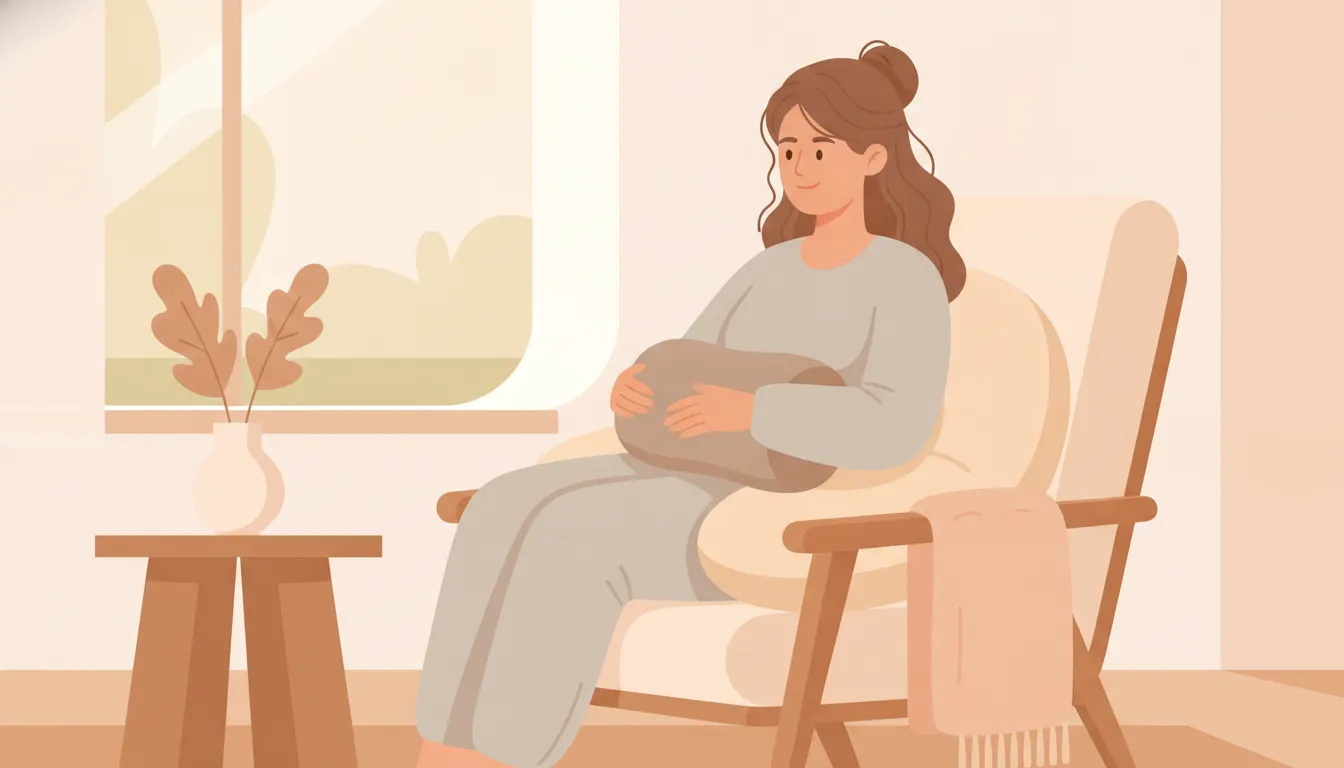
Compression garments are also commonly used for four to six weeks. They can support the new contours and help minimize postoperative swelling, but the fit and schedule matter. Wear the garment exactly as directed. Do not tighten it independently or substitute a different garment without asking your care team.
Planning work, transportation, and movement
Weeks 2 through 4 are often when patients begin planning a gradual return to work or other responsibilities. The right timeline depends on whether your role is sedentary, active, or physically demanding. If your work requires prolonged sitting, arrange breaks, a standing option, or another pressure-reducing plan before returning. Avoid driving while taking prescription pain medication, and ask your surgeon when you can safely drive and manage emergency movements comfortably.
- Organize transportation for follow-up visits and limit unnecessary travel early in this phase.
- Keep frequently used items within easy reach so you do not repeatedly bend, strain, or lift.
- Take short, gentle walks as approved, while avoiding strenuous exercise and heavy lifting.
- Continue hydration and garment use according to your written recovery plan.
The surgeon's protocol controls every decision, including when to sit, how to use a pillow, and when to increase activity. Contact your medical provider promptly about worsening pain, increasing redness, drainage, fever, shortness of breath, or another concern. This information is educational and does not replace personalized medical advice. Learn more about body contouring options at Beautologie.
How BBL Recovery Unfolds During Weeks 4 to 8
Weeks 4 to 8 of BBL recovery are often a transition toward normal sitting and exercise, but they are not an automatic clearance date. Initial healing commonly takes six to eight weeks, while final changes may continue for three to six months. Your surgeon must approve each activity change.
By weeks four through eight, many people notice that daily movement feels easier, but healing is still underway. Initial healing after a Brazilian butt lift (BBL) typically takes about six to eight weeks. Cleveland Clinic notes that the final result may continue to settle over the following three to six months. That timeline is a guide, not a personal clearance date.
Sitting normally is often reintroduced around weeks six to eight, but only after your surgeon confirms that your healing is progressing appropriately. You may still need to limit long periods of direct pressure, change positions regularly, or use a BBL pillow as directed. A BBL pillow shifts pressure toward the thighs rather than the buttocks, which can help reduce pressure on the transferred fat during necessary sitting. Follow the specific instructions from your surgical team, since the right progression depends on the procedures performed, incision healing, swelling, and your individual recovery.
How to resume exercise gradually
Light movement may progress before strenuous exercise. Short, easy walks are commonly increased according to comfort and the surgeon's instructions. As activity resumes, pay attention to how your body responds rather than treating a calendar date as permission to advance. Avoid heavy lifting, intense workouts, and other strenuous activities for at least six weeks unless your surgeon gives different guidance. Even after that point, activities that create pressure, friction, or repeated impact on the buttocks may need to be added in stages.
- Start with the level of walking approved by your care team.
- Increase duration or intensity gradually, rather than changing both at once.
- Pause and contact the team if swelling, pain, drainage, or wound changes become concerning or worsen with activity.
- Ask when strength training, running, cycling, and other pressure-producing activities are appropriate for you.
| Milestone. | Discuss with your surgeon. |
|---|---|
| Weeks 4-6. | Walking and pressure protection. |
| At least week 6. | Heavier lifting or demanding activity. |
| Weeks 6-8. | Normal sitting and daily activity. |
During this phase, discuss persistent or increasing discomfort with your surgical team. Also mention new redness, drainage, incision changes, one-sided swelling, or difficulty tolerating sitting or movement.
These observations do not diagnose a complication. They help your team decide whether you need an evaluation. General BBL recovery guidance from Cleveland Clinic also emphasizes following your surgeon's instructions throughout healing.
If you are planning a BBL in Bakersfield or are unsure how your activity plan should change, speak with a qualified medical provider. This information is general education and does not replace individualized medical advice, examination, or clearance from your surgeon. For a broader overview of the practice's approach, read Beautologie's liposuction and BBL safety standards guide.
How Much Fat Transfer Survives Long-Term?
There is no single fat-survival percentage that predicts every BBL result. Transferred fat must heal and establish a blood supply, and the outcome varies by patient. Protecting the area during recovery and following individualized instructions can help support the result.
Long-term BBL results are best understood as a gradual settling process rather than an immediate final outcome. During a Brazilian butt lift, a surgeon transfers a patient's own fat to enhance the size and shape of the buttocks. The transferred tissue needs time to heal, establish a blood supply, and settle into its new position. Because healing varies from person to person, no single survival percentage can accurately predict an individual's result.
The first 6 to 8 weeks are generally considered the initial healing period. During this time, swelling continues to change, tissues remain sensitive, and the transferred fat is still adapting. Following your surgeon's instructions about pressure, positioning, compression, movement, and appointments is an important part of protecting the healing area. Restrictions are not identical for every patient, so your surgical team should determine when it is appropriate to change them.
When Do BBL Results Become More Stable?
Although many early recovery milestones occur within the first several weeks, final results may continue to stabilize over 3 to 6 months, according to Cleveland Clinic. This later phase can include subtle changes in fullness, shape, and softness as swelling resolves and the tissues mature. Looking at the mirror too soon, or comparing your progress with someone else's, can create expectations that do not reflect your own healing timeline.
Once the result has matured, the contours can still respond to broader changes in the body. Significant weight gain or weight loss may alter the size and shape of the buttocks and the areas where fat was removed. Maintaining a relatively stable weight may help preserve your overall contours, but it cannot prevent every natural change over time. Aging, lifestyle, and individual tissue characteristics also influence how results look in the years after surgery.
How Can You Support the Healing Process?
Protecting the transferred area from unnecessary pressure, attending follow-up visits, and following activity restrictions can support a safer recovery. Do not treat general online timelines as permission to resume sitting, exercise, or other activities. Your surgeon may adjust guidance based on your examination and progress. Contact the clinical team promptly if you notice symptoms that concern you, rather than trying to diagnose the issue yourself.
Cleveland Clinic provides general information about BBL healing and long-term results at its Brazilian butt lift overview. This article is for educational purposes only and does not provide medical advice. Recovery, restrictions, and expected results should be discussed directly with a qualified medical provider who understands your health history and procedure.
How Beautologie Supports BBL Recovery in Bakersfield
Beautologie supports BBL recovery in Bakersfield through individualized instructions, qualified surgical care, accredited facilities, and follow-up communication. General timelines cannot replace an examination, so patients should use their surgeon's plan and contact the clinical team when questions or concerning changes arise.
Recovery after a Brazilian butt lift (BBL) is not identical for every patient. Your surgeon's instructions may reflect the amount of fat transferred, the areas treated, your overall health, and how your body responds during healing. Beautologie centers this process on individualized care and realistic expectations, so patients understand what is typical while receiving guidance suited to their own recovery.
That support begins with a qualified surgical team. Beautologie's board-certified surgeons work in accredited surgical facilities, with attention to patient safety, comfort, and thoughtful planning. During your consultation, the team can discuss the procedure, explain the recovery timeline, and outline practical instructions for protecting treated areas as you heal. Patients should follow their own surgeon's directions rather than relying on general online timelines.
Follow-up support throughout healing
As recovery progresses in Bakersfield, regular check-in calls provide opportunities to discuss how you are feeling and whether questions have come up. Prompt responses can help clarify instructions when something feels uncertain, such as changes in activity, positioning, or returning to parts of your normal routine. This ongoing communication is especially valuable because recovery does not always progress in a perfectly linear way.
Beautologie also provides access to its clinical team for urgent concerns. If you notice a symptom that worries you, contact the team promptly so they can advise you on the appropriate next step. Seek emergency care for severe or rapidly worsening symptoms. General information cannot diagnose a complication, so consult your medical provider for advice about your specific recovery.
If you are considering BBL surgery or want to understand what personalized follow-up may involve, a consultation can help you make an informed plan. Beautologie's team can answer questions about recovery expectations and explain how its gluteal augmentation and BBL care may fit your goals.
Schedule a Bakersfield consultation for personalized BBL recovery guidance or call (661) 327-3800.
Frequently Asked Questions
How long does BBL recovery take?
Initial healing commonly takes about 6 to 8 weeks, although your comfort, activity level, and restrictions may change gradually during that period. Final results can continue settling for 3 to 6 months. Your surgeon's follow-up assessments are the best guide for your individual timeline. Cleveland Clinic describes this general healing range.
When can I sit down after a Brazilian butt lift?
Avoid direct pressure on the buttocks for at least the first two weeks, and follow your surgeon's specific instructions about extending that restriction. When limited sitting is approved, a BBL pillow can shift pressure from the buttocks to the thighs. Take frequent breaks and ask your care team how to sit safely during travel or work.
When can I return to work after a BBL?
Many patients plan for approximately two weeks away from work during the earliest healing stage. But the timing depends on the physical demands of your job and your ability to follow sitting and movement restrictions. Desk work may still require a careful positioning plan, while physically demanding work can require more time. The American Society of Plastic Surgeons article discusses about two weeks off for many patients.
How can I manage swelling during recovery?
Use compression garments exactly as directed, stay properly hydrated, and attend scheduled follow-up visits. Compression garments commonly support contours and help minimize swelling for about 4 to 6 weeks. Do not add massage, exercise, supplements, or other treatments without surgeon approval. Contact your medical team promptly if symptoms seem unusual or worsen.
Plan Your BBL Recovery With Beautologie
Every recovery follows its own pace, so a personalized conversation can help you understand what to expect and how your care plan may support a smooth healing process. If you are considering a Brazilian butt lift in Bakersfield or have questions about recovery, schedule a consultation with Beautologie's team. Bring your questions about positioning, activity, follow-up, and your individual goals so your provider can guide you through the next step.
Marketing Director, Beautologie


All information, images, articles and text on this website are copyrighted by Beautologie Medical Group Inc. and cannot be downloaded, copied, redistributed or used in any way without written permission.
*Individual results may vary.
Beautologie strives to ensure that its services are accessible to people with disabilities. Beautologie.com has invested a significant amount of resources to help ensure that its website is made easier to use and more accessible for people with disabilities, to provide educational resources to all. If you are experiencing difficulty with any content on Beautologie.com or require assistance with any part of our site, please contact us during normal business hours as detailed above and we will be happy to assist. If you wish to report an accessibility issue, have any questions or need assistance, please contact beautologie.com Customer Support at info@beautologie.com