


What Is an Aesthetic-Focused Weight Loss Program?
What Is an Aesthetic-Focused Weight Loss Program?
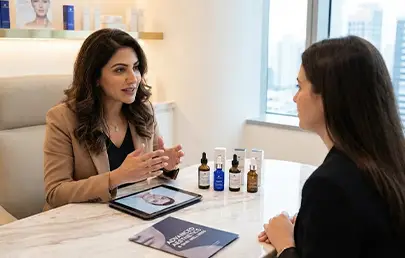
Your weight loss journey is deeply personal. It's about more than just a number on the scale—it's about feeling confident in your own skin. But what happens when changes in skin texture and facial volume don't match how great you feel inside? This is a common concern, and it's why combining aesthetics and weight loss is so effective. An aesthetic-focused weight loss program isn't just about losing pounds; it's about supporting your body's transformation every step of the way. This approach to cosmetic weight loss helps your skin adapt, so your outer results truly reflect your inner progress.
At Beautologie Cosmetic Surgery, Medical Aesthetics & Wellness, we frequently work with patients who are proud of their weight loss but seeking ways to feel more comfortable, confident, and aligned with their reflection. Aesthetic treatments aren’t about “fixing” weight loss—they’re about supporting confidence as the body changes.
This guide explains how non-surgical aesthetic treatments can thoughtfully complement a weight-loss journey, what they can and cannot do, and how to approach them safely and realistically.
Defining the Aesthetic Physique
The term "aesthetic physique" gets thrown around a lot in fitness circles, but what does it actually mean? It’s less about a specific weight and more about achieving a sense of balance, proportion, and definition. It’s a visual goal focused on creating a strong, sculpted look where muscles are well-defined and work together harmoniously. This often involves building muscle in certain areas while reducing overall body fat to make that definition visible. For many, this ideal is a powerful motivator on their fitness journey, representing a combination of strength and artistry. It’s about feeling as strong and capable as you look.
The V-Taper and Balanced Proportions
A key component of the aesthetic ideal is the "V-taper," which describes a silhouette with broad shoulders that narrow down to a smaller waist. This shape creates a powerful illusion of symmetry and strength. Achieving it involves targeted training to build the muscles in your shoulders and back (lats) while focusing on core strength and maintaining a lean midsection. Beyond the V-taper, an aesthetic physique emphasizes overall balance. This means no single muscle group overpowers another; instead, the chest, arms, legs, and core are all developed in proportion, creating a cohesive and visually pleasing look.
The Importance of Low Body Fat
You can build all the muscle in the world, but if it’s hidden under a layer of fat, you won’t see the definition you’re working so hard for. This is why achieving a lower body fat percentage is fundamental to an aesthetic physique. It’s what allows the shape and lines of your muscles—from your abs to your shoulders—to become visible. According to the American Council on Exercise, healthy body fat percentages vary widely, but for a visibly toned or "athletic" look, they are typically on the lower end of the healthy range. This requires a consistent calorie deficit, meaning you burn more calories than you consume.
The Foundation: Diet and Nutrition for an Aesthetic Body
Your dream body is truly built in the kitchen. Exercise is essential for building muscle, but your diet is what fuels that growth and reveals your hard work by reducing body fat. Proper nutrition isn’t about extreme restriction; it’s about giving your body the right building blocks in the right amounts. Focusing on whole, unprocessed foods and understanding the roles of protein, carbs, and fats is the cornerstone of any successful body transformation. A smart nutrition plan supports your workouts, aids in recovery, and helps you achieve the lean, defined look you’re aiming for.
Core Principles: Calorie Deficit and High-Protein Intake
The two most important principles for revealing a sculpted physique are a calorie deficit and high protein intake. To lose fat, you must consume fewer calories than your body burns. However, you also need to ensure you’re eating enough high-quality protein. Protein is crucial for repairing and building muscle tissue, especially when you’re in a calorie deficit and at risk of muscle loss. Prioritizing lean protein sources like chicken, fish, beans, and tofu helps you feel full, supports muscle maintenance, and keeps your metabolism running efficiently as you shed fat.
Strategic Cycles: Understanding Bulking and Cutting
Many fitness enthusiasts use "bulking" and "cutting" cycles to build an aesthetic physique. During a "bulking" phase, you intentionally eat in a calorie surplus to provide your body with extra energy to build muscle mass. This is paired with heavy strength training. Following that, a "cutting" phase involves eating in a calorie deficit to shed the fat gained during the bulk, revealing the new muscle underneath. This cyclical approach allows you to focus on one goal at a time—either muscle gain or fat loss—which can be more effective than trying to do both simultaneously.
What to Eat: Fueling Your Body with Whole Foods
The quality of your calories matters just as much as the quantity. Fueling your body with whole, unprocessed foods is key. Think lean proteins, complex carbohydrates (like oats and sweet potatoes), healthy fats (like avocado and nuts), and tons of vegetables. These foods are packed with the vitamins, minerals, and fiber your body needs to function optimally, build muscle, and burn fat. They also tend to be more filling than processed foods, making it easier to stick to your calorie goals without feeling deprived or constantly hungry.
The Role of Supplements in an Aesthetic Program
While your diet should always be your primary focus, certain supplements can support your aesthetic goals. Protein powder is a convenient way to ensure you’re hitting your daily protein targets, especially after a workout. Branched-Chain Amino Acids (BCAAs) may help reduce muscle soreness and support recovery. However, it's important to remember that supplements are just that—supplementary. They can’t replace a solid foundation of whole foods and consistent training. Always consult with a healthcare provider before adding new supplements to your routine.
Building Muscle: Workout Principles for a Sculpted Look
Diet may reveal your muscles, but the gym is where you build them. A strategic workout plan is essential for creating the shape and definition characteristic of an aesthetic physique. This isn't about spending hours doing random exercises; it's about structured, progressive training that challenges your muscles to grow. By focusing on proven principles and consistency, you can effectively sculpt your body, improve your strength, and build a balanced, proportional frame that you feel proud of. This is where your vision starts to take physical form.
Structuring Your Workouts: PPL and Upper/Lower Splits
A well-structured workout routine is critical. Two popular and effective splits are Push-Pull-Legs (PPL) and Upper/Lower. A PPL routine dedicates one day to "push" movements (chest, shoulders, triceps), one to "pull" movements (back, biceps), and one to legs. An Upper/Lower split divides your training between upper-body days and lower-body days. Both approaches ensure you’re hitting all major muscle groups consistently without overtraining them, allowing for adequate recovery and growth. The best split is the one you can stick with consistently.
Key Training Concepts: Progressive Overload and Compound Lifts
To build muscle, you have to give it a reason to grow. That’s the principle of progressive overload: continually increasing the demand on your muscles over time. This can mean lifting heavier weights, doing more reps or sets, or reducing rest time. The foundation of your workouts should be compound lifts—exercises like squats, deadlifts, bench presses, and rows that work multiple muscle groups at once. These movements are incredibly efficient for building overall strength and muscle mass, forming the base of a powerful physique.
Fine-Tuning: Rep Ranges, Rest Periods, and Accessory Work
While compound lifts are the foundation, accessory (or isolation) exercises are for fine-tuning. These movements, like bicep curls or calf raises, target smaller, specific muscles to help create balance and proportion. The number of repetitions (reps) you do also matters. Generally, lower rep ranges (4-8) are best for strength, while moderate ranges (8-12) are often considered ideal for muscle growth (hypertrophy). Paying attention to these details helps you refine your physique and bring your aesthetic vision to life.
Setting Realistic Timelines and Expectations
Building an aesthetic physique is a marathon, not a sprint. It’s so important to set realistic expectations from the start. You won’t see dramatic changes overnight, and that’s completely normal. True, sustainable transformation takes time, consistency, and patience. It can often take a year or more of dedicated effort, and potentially several "bulk" and "cut" cycles, to achieve significant results. Celebrate small victories along the way, focus on how you feel, and trust the process. This journey is about long-term health and confidence, not a quick fix.
When Diet and Exercise Aren't Enough: Medically Supervised Weight Loss
Sometimes, despite your best efforts with diet and exercise, progress can stall. Stubborn fat may refuse to budge, or underlying health factors can make weight loss feel like an uphill battle. This is where professional guidance can make all the difference. If you’re struggling to see the results you want, a medically supervised weight loss program can provide the support, tools, and expertise needed to overcome those plateaus safely and effectively. It’s not about replacing your hard work but enhancing it with a science-backed approach.
Addressing Underlying Factors Like Hormones and Metabolism
Weight loss isn't always a simple "calories in, calories out" equation. Factors like hormone imbalances, a sluggish metabolism, or insulin resistance can make it incredibly difficult to lose weight. A medically supervised program goes beyond diet plans to investigate these potential root causes. By identifying and addressing underlying issues, a medical provider can create a personalized strategy that works with your body, not against it, helping you finally break through frustrating barriers and achieve lasting success.
Modern Tools: GLP-1 Medications and Advanced Testing
Today’s medical weight loss programs utilize advanced tools to support patients. This includes comprehensive testing to understand your unique metabolic profile. For eligible candidates, it may also involve prescription medications like GLP-1 agonists (such as Ozempic® or Wegovy®). These medications work by helping to regulate appetite and blood sugar. When used alongside lifestyle changes, the U.S. Food and Drug Administration (FDA) notes that these treatments can lead to significant weight loss, helping patients achieve a healthier body composition and renewed confidence.
The Role of Hormone and Peptide Therapy
As we age, hormonal shifts can impact everything from our metabolism to our ability to build and maintain muscle. For some patients, balancing hormones is a key piece of the weight loss puzzle. Peptide therapy can also play a role by supporting cellular function, recovery, and growth. At Beautologie, our team can assess whether these therapies are appropriate for you as part of a comprehensive, medically supervised plan. This personalized approach ensures you have every tool available to help you reach your aesthetic and wellness goals.
What Are Aesthetic Treatments & How Do They Support Weight Loss?
Aesthetic treatments include non-surgical medical procedures designed to improve skin quality, contour, and balance. When used during or after weight loss, they can help address changes that occur as fat volume decreases and skin adapts.
What These Treatments Can Do For You
- Skin laxity or crepey texture
- Facial volume changes
- Body contour irregularities
- Stretch marks and uneven tone
- Loss of skin firmness
Understanding Their Limitations
- Replace healthy weight-loss habits
- Guarantee emotional confidence
- Stop natural aging or metabolism
A Look at the Science
Depending on the treatment, aesthetic procedures may:
- Stimulate collagen and elastin production
- Tighten skin using energy-based technology
- Restore volume with injectable support
- Improve circulation, texture, and tone
Think of aesthetic treatments as fine-tuning tools.
Are Aesthetic Treatments Right for You During Weight Loss?
Who Is an Ideal Candidate?
- Individuals actively losing weight or recently stabilized
- Patients experiencing skin laxity or contour concerns
- Those seeking non-surgical support—not dramatic change
- People with realistic expectations and long-term goals
When Are These Treatments Not Recommended?
- Individuals with active infections or uncontrolled medical conditions
- Those expecting instant or permanent results
- Patients still experiencing rapid weight fluctuations (case-dependent)
Does Age, Skin Type, or Weight Matter?
- Age: Younger skin may rebound more easily; mature skin often benefits from collagen-stimulating treatments
- Skin type: Treatments can be safely customized for all skin tones
- Weight: Stable or near-stable weight often produces the best outcomes
What If I’ve Had Fillers or Previous Treatments?
Many aesthetic treatments can be safely combined or timed around prior procedures. A personalized consultation is essential for sequencing and safety.
Popular Aesthetic Treatments for Weight Loss Support
Weight loss affects skin, fat, and structural support differently across the face and body. At Beautologie, treatment plans are customized to address where changes are happening—without overcorrecting or rushing the process.
Below are examples of non-surgical aesthetic treatments we offer that are commonly used to support confidence during weight loss.
Treating Loose or Crepey Skin After Weight Loss
As fat volume decreases, skin doesn’t always rebound at the same pace. This can lead to looseness in the face, neck, arms, abdomen, or thighs.
Morpheus8 (RF Microneedling)
Morpheus8 combines microneedling with radiofrequency energy to stimulate deep collagen remodeling.
Often used for:
- Face and jawline firmness
- Neck and submental laxity
- Abdomen and arms after weight loss
- Crepey skin texture
Why it works well during weight loss:
Morpheus8 strengthens the skin’s underlying support structure, helping it adapt as body volume changes.
Radiofrequency Skin Tightening Treatments
Non-invasive RF treatments gently heat deeper layers of skin to encourage collagen contraction and renewal.
Often used for:
- Early skin laxity
- Preventive tightening during gradual weight loss
- Maintenance between more intensive treatments
Best for: Patients seeking subtle firming with minimal downtime.
Restoring Facial Volume and Fullness
Weight loss can affect facial fullness, especially in the cheeks, temples, and under-eye area, sometimes creating a tired or hollow appearance.
Dermal Fillers (Hyaluronic Acid-Based)
Strategic filler placement can restore natural-looking volume and balance, without adding heaviness.
Common areas treated:
- Cheeks and midface
- Temples
- Jawline and chin for structure
- Under-eyes (select candidates)
Volume is restored conservatively and adjusted over time to match ongoing changes.
Biostimulatory Injectables (Collagen Stimulators)
These injectables work by encouraging your body to produce its own collagen gradually.
Often used for:
- Global facial volume support
- Skin thickness and firmness
- Long-term structural improvement
Why they’re popular during weight loss:
They provide gradual, natural improvement rather than immediate volume that may change as weight fluctuates.
Body Contouring to Refine Your New Shape
Even with consistent weight loss, certain areas may hold fat differently or lose firmness unevenly.
Non-Surgical Body Contouring, like Coolsculpting target localized fat and improve contour without surgery.
Common treatment areas:
- Abdomen
- Flanks
- Thighs
- Upper arms
- Bra line
Best for:
Patients near or approaching a stable weight who want smoother proportions—not dramatic reduction.
Body Skin Tightening After Weight Loss
Energy-based treatments can be used on areas where fat loss has occurred, but skin hasn’t fully tightened.
Often combined with:
- Body contouring
- Weight loss programs
- Post-pregnancy or post-weight-loss care
How These Treatments Work Together (Not All at Once)
One of the most important principles at Beautologie is staging care appropriately.
A typical approach may include:
- Early skin-quality support during active weight loss
- Conservative volume restoration as facial changes appear
- Body contouring once weight stabilizes
- Ongoing maintenance rather than one-time correction
This prevents overtreatment and supports natural-looking confidence at every phase.
Why Your Treatment Plan Must Be Personalized
No two weight-loss journeys look the same—and neither should aesthetic plans.
At Beautologie, treatment decisions are based on:
- Rate and stage of weight loss
- Skin quality and elasticity
- Facial anatomy and balance
- Lifestyle and downtime tolerance
- Long-term goals, not trends
This patient-first approach ensures treatments support confidence without competing with health goals. These treatments are most effective when guided by medical expertise and tailored to each patient’s unique weight-loss journey.
What Results Can You Realistically Expect?
Aesthetic treatments during weight loss aim for subtle, supportive improvements, not dramatic shifts.
When Will I See Results?
- Skin treatments: Gradual improvement over weeks to months
- Injectables: Visible results within days to weeks
- Body contouring: Progressive changes over several months
What You'll See and Feel
- Smoother skin texture
- Improved firmness
- More balanced facial appearance
- Greater comfort in clothing
Results vary, and emotional confidence is multifactorial. These treatments are best viewed as one piece of a broader self-care plan.
How Long Do Results Last?
Short answer: Results vary by treatment type and individual factors.
- Collagen-stimulating treatments may last 12–18 months
- Injectables typically require periodic maintenance
- Skin-quality treatments benefit from ongoing care
Longevity depends on weight stability, skincare habits, sun protection, and lifestyle factors.
How Many Treatments or Sessions Are Needed?
Understanding Your Treatment Plan
- Initial series: Often recommended for skin tightening or collagen support
- Maintenance: Periodic touch-ups to sustain results
- Staged care: Treatments may evolve as weight loss progresses
Your plan should be flexible—designed to adapt as your body changes.
What Is the Downtime and Recovery Like?
Most non-surgical treatments are designed to fit into everyday life.
The Recovery Process Explained
- Many patients return to work the same or next day
- Mild swelling or redness is common but temporary
- Exercise restrictions vary by treatment
Weight loss already requires routine changes—your aesthetic plan should support, not disrupt, that rhythm.
Are These Treatments Safe? Understanding the Risks
When performed by trained medical professionals, aesthetic treatments have strong safety profiles.
Temporary Side Effects to Expect
- Redness or swelling
- Mild bruising
- Temporary sensitivity
Why Provider Expertise Matters
- Proper timing during weight loss
- Avoiding overcorrection
- Understanding anatomy changes with fat loss
- Setting realistic expectations
Medical oversight ensures treatments enhance—not compete with—your overall health goals.
How Much Do Aesthetic Treatments Cost? Are They Worth It?
Pricing varies based on:
- Treatment type
- Number of sessions
- Areas addressed
- Provider expertise
Understanding the Value of Your Treatment
- Confidence and comfort are personal
- Gradual improvements often feel more sustainable
- Preventive care may reduce future interventions
Worth is measured not just in cost—but in how aligned you feel with your progress.
How Do These Treatments Compare to Other Options?
VS. surgery:
Non-surgical treatments offer subtle support without downtime but cannot replace surgical skin removal for significant laxity.
VS. skincare alone:
Skincare supports surface health; aesthetic treatments address deeper structural changes.
VS. waiting until goal weight:
Some patients benefit from early support, while others prefer to wait. There is no single right timeline.
Are Aesthetic Treatments Worth It During Weight Loss?
Common patient questions include:
- Will this help me feel more confident now?
Often, yes—especially for skin quality concerns. - Will results look natural as I continue losing weight?
Conservative, staged treatments are key. - Is this part of a long-term plan?
Ideally, yes—confidence evolves alongside your journey.
Aesthetic care should feel supportive, not corrective.
Finding Your Aesthetic Partner in Bakersfield
When selecting a provider, look for:
- Medical supervision
- Experience with weight-related body changes
- Customized treatment planning
- Honest guidance—not pressure
A thoughtful provider prioritizes your overall well-being, not just procedures.
Key Takeaways
- Aesthetic treatments can support confidence during weight loss
- They address skin quality, firmness, and balance—not weight itself
- Results are gradual and vary by individual
- Safety and personalization are essential
- Treatments work best as part of a long-term plan
Frequently Asked Questions (FAQ)
Can I start aesthetic treatments before reaching my goal weight?
Yes, in many cases—timing should be personalized.
Do treatments stop loose skin completely?
They can improve firmness, but results vary.
Will fillers look unnatural if I keep losing weight?
Conservative dosing and ongoing assessment help maintain balance.
Are treatments safe while dieting or exercising?
Generally yes, but hydration and nutrition matter.
Should I wait until weight stabilizes?
Some treatments are best delayed; others can be done earlier.
Can treatments help with stretch marks?
Certain modalities may improve texture and appearance.
Do results last if I regain weight?
Changes in weight can affect outcomes.
Is confidence guaranteed?
Confidence is personal; treatments can support—but not replace—emotional well-being.
Beautologie Cosmetic Surgery, Medical Aesthetics & Wellness proudly serves patients in Bakersfield, California and surrounding Central Valley communities. Our medically supervised team offers personalized aesthetic treatments designed to support confidence during weight loss—focusing on natural results, safety, and long-term care.
Support your confidence—at every stage of your journey.
Schedule a personalized consultation to explore how aesthetic treatments may complement your weight-loss goals with care, expertise, and a patient-first approach.
Results vary. Consultation required. This content is for general educational purposes and does not replace medical advice.
Related Articles
Marketing Director, Beautologie


All information, images, articles and text on this website are copyrighted by Beautologie Medical Group Inc. and cannot be downloaded, copied, redistributed or used in any way without written permission.
*Individual results may vary.
Beautologie strives to ensure that its services are accessible to people with disabilities. Beautologie.com has invested a significant amount of resources to help ensure that its website is made easier to use and more accessible for people with disabilities, to provide educational resources to all. If you are experiencing difficulty with any content on Beautologie.com or require assistance with any part of our site, please contact us during normal business hours as detailed above and we will be happy to assist. If you wish to report an accessibility issue, have any questions or need assistance, please contact beautologie.com Customer Support at info@beautologie.com