


Can You Get Laser Hair Removal With Tattoos?
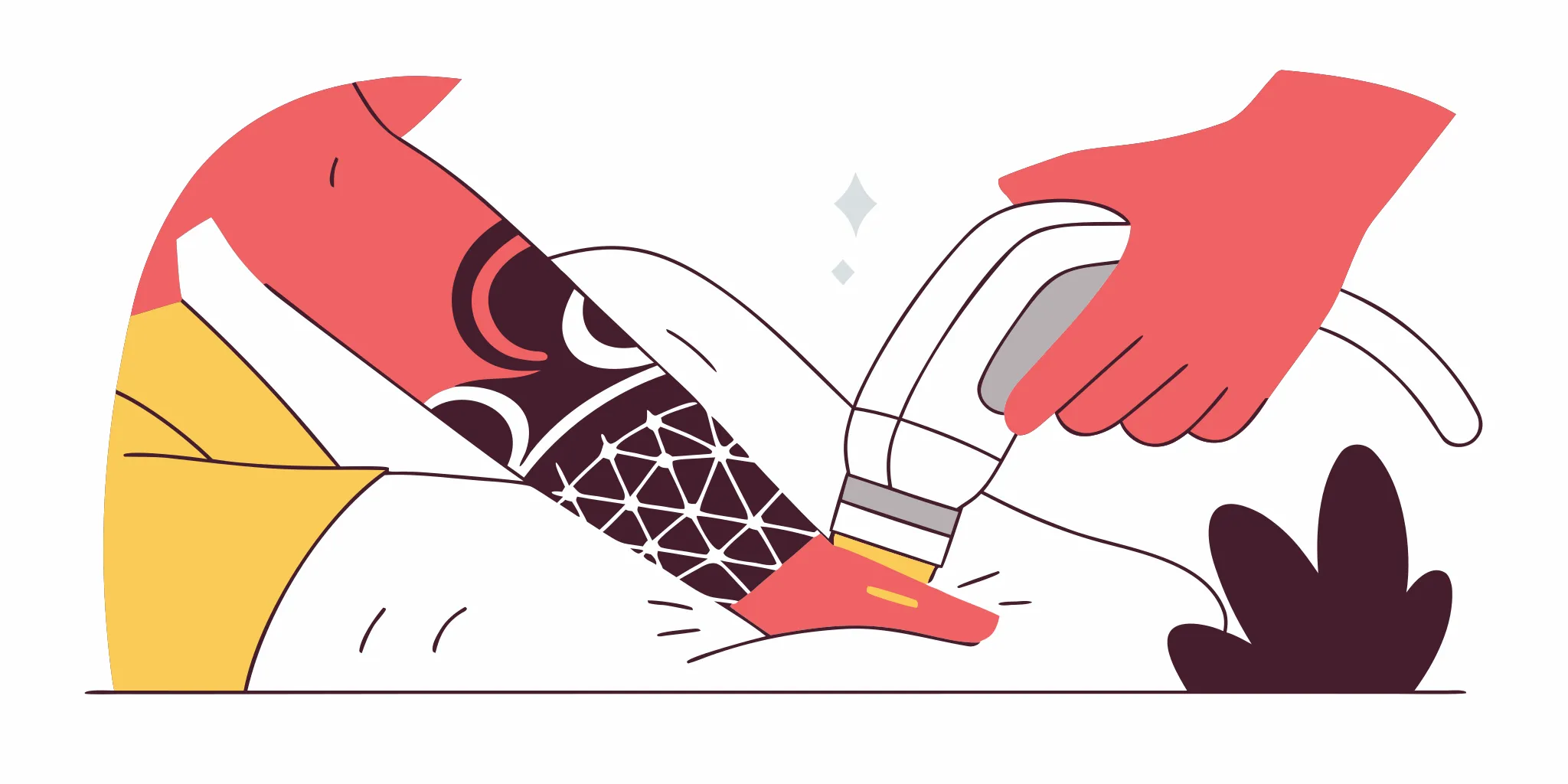
Can You Get Laser Hair Removal With Tattoos?
You don't have to choose between keeping your tattoos vibrant and getting smooth, hair-free skin. Achieving both is entirely possible with the right approach. Many people wonder, "Can you get laser hair removal if you have tattoos in the area?" and worry they might have to sacrifice one aesthetic goal for the other. The great news is that a professional and safe treatment plan allows you to have it all. The key is understanding that the laser must never pass directly over your ink. A trained provider will create a custom plan that carefully treats the skin around your tattoo, preserving its integrity while effectively removing unwanted hair. This article breaks down how we protect your art while delivering beautiful, lasting results.
Key Takeaways
- Protect Your Ink by Avoiding Direct Laser Contact: Laser hair removal works by targeting pigment, so it cannot distinguish between a hair follicle and tattoo ink. Applying the laser directly to your tattoo can cause painful burns and permanently distort your artwork.
- A Professional Will Always Create a Safe Border: A trained technician will never treat over your tattoo. Instead, they will create a safe buffer zone around the ink and use a physical cover to protect it, ensuring the laser only treats the surrounding hair.
- Use Different Methods for Hair on Tattoos: For hair growing directly on your tattooed skin, stick to methods that do not use light or heat. Shaving is a simple and safe choice, while waxing (on healed tattoos) and electrolysis are great alternatives that will not harm your ink.
Can You Get Laser Hair Removal Over a Tattoo?
It’s a question we hear all the time, especially as both tattoos and laser hair removal grow in popularity. You’ve invested in body art that you love, but you also want the freedom of smooth, hair-free skin. The good news is that you can absolutely have both. However, there’s a very important safety rule you need to know: laser hair removal should never be performed directly over a tattoo. Let’s break down why.
How Laser Hair Removal Works on Pigment
To understand why tattoos are off-limits, it helps to first know how the treatment works. Laser hair removal uses a concentrated beam of light that is specifically designed to target pigment, or melanin, found in your hair follicles. The dark pigment in the hair absorbs this light energy, which then converts to heat. This heat effectively damages the follicle at the root, which is what prevents or slows down future hair growth. The technology relies on the contrast between your skin and the dark pigment in the hair to work safely and effectively.
Why Lasers and Tattoo Ink Don't Mix
Here’s where things get tricky. The laser is programmed to seek out dark pigment, but it can’t tell the difference between the melanin in a hair follicle and the dark ink of a tattoo. If the laser were to pass over your tattoo, it would heat the ink just as it heats the hair. This can cause the ink particles to break apart, which can lead to fading, blurring, or distortion of your tattoo’s design. More importantly, it can cause a significant skin reaction, including painful burns, blisters, and even permanent scarring. It’s a serious risk that a trained, professional technician will never take.
The Verdict: It's Safe Around Tattoos, Not Over Them
So, can you get laser hair removal if you have tattoos? Yes, absolutely—as long as the treatment is performed around your ink, not on it. A skilled and experienced provider will carefully work around the perimeter of your tattoo, creating a safe buffer zone of about one to two inches. This allows you to safely remove unwanted hair in the surrounding area without putting your skin or your body art at risk. The key is to work with a team that understands the technology and prioritizes your safety, which is something we always cover in a personal consultation.
Risk of Fading or Distorting Your Tattoo
When a laser hair removal device passes over a tattoo, it can’t tell the difference between the pigment in your hair follicle and the pigment in your tattoo ink. The laser is designed to target and heat dark pigment, which is exactly what your tattoo is made of. This can cause the ink to absorb the intense light energy, leading to fading, patchiness, or even a blurred appearance in the treated spot. Essentially, you risk damaging the art you invested in. The result is often an unpredictable and unwanted alteration of your tattoo, which can be very difficult to correct.
Potential for Burns, Blisters, and Scars
The most serious risk of applying a hair removal laser to a tattoo is skin injury. Because tattoo ink is so dense, it absorbs a tremendous amount of laser energy very quickly. This rapid heating can cause painful burns, blistering, and changes in your skin’s texture. According to the U.S. Food and Drug Administration (FDA), burns are a known risk of laser procedures, and this risk is significantly higher over tattoos. In some cases, the damage can be severe enough to cause permanent scarring, leaving you with a much bigger problem than unwanted hair.
Skin Reactions from Heated Ink
The intense energy from a laser hair removal treatment doesn't just heat the tattoo ink; it can cause it to break apart in the skin. This process is similar to what happens during laser tattoo removal, but it's happening with the wrong type of laser and without the proper safety protocols. This can trigger a significant inflammatory response in your skin, leading to swelling, crusting, and discomfort. It’s an aggressive and uncontrolled reaction that your skin is not prepared for, which is why trained technicians will always refuse to treat directly over any inked areas.
Why Ink Color Matters
While all tattoos are off-limits for laser hair removal, the color of your ink can influence how severely the skin reacts. Darker inks, like black, dark blue, and deep green, are the most dangerous because they absorb the most light energy. This makes them highly reactive to the laser, increasing the likelihood of burns and skin damage. Lighter colors like white, yellow, and light green may absorb less energy, but the risk is still very real. No ink color is safe to treat over, and a skilled provider will always create a safe buffer zone around your entire tattoo, regardless of its color palette.
How to Safely Get Laser Hair Removal Near a Tattoo
Getting laser hair removal when you have tattoos is absolutely possible, but it requires a careful and strategic approach. The number one rule is that the laser should never pass directly over inked skin. Because the laser targets pigment, it can’t distinguish between the melanin in a hair follicle and the pigment in your tattoo ink. Treating over a tattoo can lead to painful burns, blisters, and permanent damage to your body art. A skilled technician will work with you to create a safe treatment plan that protects your ink while removing unwanted hair from the surrounding areas.
How Close Is Too Close?
There isn’t a universal measurement for how close a laser can get to a tattoo. The priority is creating a safe buffer zone around the entire design. Your technician will not treat directly on top of your tattoo, and they will maintain a clear margin around its edges to prevent the laser's energy from affecting the ink. This safe distance is typically about one to two centimeters, but it is ultimately determined by the provider during your treatment. They will use a special template or a white pencil to draw a precise border, ensuring the laser handpiece from our advanced laser hair removal system stays well away from your art. This careful mapping protects both your skin and your tattoo.
What Determines a Safe Distance?
Several factors help your technician determine the right buffer zone for your specific tattoo. The size, shape, and color density of your ink all play a role. A small, fine-line tattoo may require a different approach than a large, fully saturated piece. During your consultation, it’s essential to be completely open about your tattoos, even small or faded ones. Your provider will physically cover the tattoo during the session, often with a thick, white material that reflects the laser’s energy. This acts as a physical barrier, preventing any accidental exposure. Following proper safety protocols is a key part of any laser treatment, and protecting your tattoos is a top priority.
Setting Realistic Expectations for Treatment
It’s important to understand that any hair growing directly on your tattooed skin cannot be removed with a laser. This means you will have a small, untreated area of hair on and immediately around your tattoo. For most people, this is a minor trade-off for protecting their investment in body art. Attempting to treat over the ink can cause it to fade, blur, or become discolored. More seriously, it can lead to significant pain, blistering, and even scarring that permanently alters both your skin and the tattoo. The goal is to achieve smooth, hair-free skin everywhere else while keeping your tattoos vibrant and undamaged. We can discuss your specific goals and what to expect during your personal consultation.
How Your Technician Protects Your Tattoo
If you’re worried about your body art, you can relax. Protecting your tattoos during laser hair removal is a standard part of the process for any experienced and well-trained technician. It’s a concern we hear often, and we have precise protocols in place to ensure your ink remains as vibrant as the day you got it. Your safety and satisfaction are our top priorities, which includes preserving the integrity of your tattoos.
A skilled provider uses a multi-step approach to work around your ink. This involves creating a safe boundary, using physical guides to cover the tattoo, and tailoring the entire treatment plan to your unique needs. It’s a careful and methodical process that ensures the laser only targets unwanted hair, not your artwork.
Creating a Safe Treatment Border
The most fundamental step your technician will take is creating a safe treatment border around your tattoo. The laser handpiece will never pass directly over your ink. Instead, your provider will maintain a clear margin of about one to two centimeters around the entire edge of the tattoo. This buffer zone ensures that the laser energy doesn't scatter or spread into the tattooed skin, which could lead to fading or distortion. For added safety, your technician may use a white skin-safe pencil to draw this boundary on your skin, creating a clear visual guide to follow during the treatment.
Using Templates and Custom Laser Settings
To guarantee absolute precision, your technician will often use a physical template to cover your tattoo completely. This can be a simple tool, like a piece of thick gauze or a tongue depressor, or a custom-cut shape made from medical-grade material that perfectly matches the outline of your ink. This physical barrier acts as a shield, blocking any stray light from reaching the tattoo. This technique allows your provider to perform laser hair removal right up to the edge of the border they created, giving you the smoothest results possible without compromising your art.
Customizing a Plan for Your Unique Ink
No two tattoos are the same, and your treatment plan shouldn't be either. During your consultation, your technician will carefully examine the size, placement, and colors of your tattoo. This assessment helps them create a completely customized approach for your sessions. They will discuss the treatment area and determine the safest and most effective way to remove hair nearby. This personalized planning is a key part of the process, as outlined by safety standards from organizations like the American Society of Plastic Surgeons. This ensures your treatment is designed specifically for your body, your skin, and your art.
What to Discuss During Your Consultation
Your consultation is the most important step in your laser hair removal journey. It’s your chance to ask every question you have and for your provider to create a safe, effective treatment plan tailored to you and your ink. Being open and honest is key, so come prepared to talk about a few specific things.
Your Tattoo's History and Details
First, we’ll need the full story of your tattoo. Be ready to share details like how old it is, the colors of the ink, and if you know what kind of ink was used. This information is crucial because the laser used for hair removal works by targeting pigment. The device can’t tell the difference between the pigment in your hair follicle and the pigment in your tattoo ink. A direct hit from the laser can cause your tattoo to fade, blister, or even scar. By understanding your tattoo’s composition, your technician can create a safe buffer zone to protect your art while effectively treating the surrounding hair.
Your Skin Type and Sensitivity
Next, we’ll discuss your skin. Your skin tone and sensitivity play a big role in how the laser will be calibrated for your treatment. According to the U.S. Food and Drug Administration (FDA), people with darker skin tones may have a higher risk of side effects like pigmentation changes because their skin contains more melanin, which also absorbs laser energy. When a tattoo is in the mix, we have to be even more careful. We’ll assess your skin to determine the safest and most effective settings, ensuring the energy is absorbed by the hair follicle, not your skin or your tattoo.
The Big Question: Laser Before or After Ink?
This is a question we get all the time, and the answer is simple: If you’re planning a new tattoo, complete your laser hair removal sessions first. Once the treatment area is smooth and hair-free, you’ll have the perfect canvas for your new ink. If you already have a tattoo, we will simply work around it. If you’re considering removing a tattoo in the same area where you want hair removal, the general guidance is to tackle the tattoo removal first. Once your skin has fully healed, you can then safely proceed with laser hair removal without risking complications.
Safer Hair Removal Options for Tattooed Skin
If laser hair removal isn't an option for your tattooed areas, don’t worry. You still have plenty of ways to get smooth, hair-free skin without putting your art at risk. Since laser treatments work by targeting pigment, any method that doesn't rely on pigment will be a safer bet for the skin directly over your ink. The key is to choose a method that works for your skin, your tattoo’s age, and your lifestyle. From simple at-home solutions to more permanent professional treatments, you can find an effective alternative that keeps your tattoo looking its best. Here are a few of the most common and effective options to consider.
Shaving
Shaving is one of the most straightforward and accessible hair removal methods, and it’s completely safe for healed tattoos. Because a razor only cuts hair at the surface of the skin, it doesn’t interact with the tattoo ink, which sits much deeper in the dermis. Just be sure your tattoo is fully healed before you start shaving over it, as a fresh tattoo is an open wound that can be easily irritated or damaged. For the best results, use a sharp, clean razor and a moisturizing shaving cream or gel to prevent razor burn. Keeping your skin hydrated with high-quality skincare products will also keep your tattoo looking smooth and vibrant.
Waxing
Waxing is another popular option that is safe for tattooed skin, but only after your tattoo has completely healed (which can take several weeks or more). The process removes hair from the root and also exfoliates the top layer of dead skin cells. This can actually make your tattoo appear more vibrant and defined. However, because waxing can be intense, it’s best to have it done by an experienced professional who knows how to work around sensitive areas. They can ensure the wax isn’t too hot and that your skin is handled gently to avoid irritation or damage to your ink.
Electrolysis
If you’re looking for a permanent solution, electrolysis is an excellent choice. Unlike lasers, electrolysis doesn’t use light and isn’t attracted to pigment. Instead, a trained technician inserts a very fine probe into each individual hair follicle, delivering a tiny electrical current to destroy the hair root. According to the U.S. Food and Drug Administration, this method permanently stops new hair from growing. Because it targets the follicle directly, it is considered safe to perform over tattoos without the risk of fading your ink or causing burns. It’s a meticulous process that requires multiple sessions, but it offers a permanent result for all skin and hair colors.
Depilatory Creams
Depilatory creams offer a quick and painless way to remove hair by using chemicals to dissolve it at the skin’s surface. While they are generally safe to use on healed tattooed skin, it’s important to be cautious. These creams can sometimes cause skin irritation or allergic reactions, so you should always perform a patch test on a small, non-tattooed area first. The chemicals work on the outermost layer of skin and shouldn't affect the ink in your dermis, but any significant skin reaction could potentially impact the appearance of your tattoo. If you have sensitive skin, you might want to choose a gentler method to be safe.
Choosing the Best Method for You
Deciding on a hair removal plan when you have tattoos means balancing your desire for smooth skin with the need to protect your body art. The great news is that you don’t have to choose one over the other. The right method simply depends on the location of the hair you want to remove.
As we’ve covered, laser hair removal is the gold standard for permanent hair reduction, but it’s not safe to perform directly over a tattoo. The laser energy that targets pigment in the hair follicle can’t tell the difference between that and the pigment in your tattoo ink. Applying a laser to your tattoo can cause painful burns, blisters, and permanent distortion of your art. For the skin around your tattoos, however, it remains an excellent and highly effective option.
For removing hair directly from a tattooed area, you’ll need to stick to methods that don’t rely on light or heat. Waxing is a common choice, but it should only be done once your tattoo is completely healed, which can take several weeks or more. Waxing a fresh tattoo can damage the design and your skin. Shaving is always a safe, simple, and effective temporary solution that won’t affect your ink at all. Electrolysis is another alternative that works by targeting individual hair follicles with a tiny probe, making it safe for use on tattoos.
Ultimately, the best approach is often a combination of methods. You can use laser hair removal for the untattooed skin and choose a different technique for the tattooed areas. The most important step is to discuss your goals during a professional consultation. A skilled provider can assess your skin, hair, and tattoos to create a safe and effective treatment plan tailored just for you, ensuring both your skin and your ink stay looking their best.
Pre- and Post-Treatment Skin Care
Proper skin care before and after your laser sessions is essential for achieving the best results and keeping your skin—and your ink—safe and healthy. A little preparation goes a long way in ensuring a smooth process from start to finish.
How to Prep Your Skin Before Treatment
The most important step you can take before treatment is to have an open conversation with your provider. During your consultation, be sure to point out all of your tattoos in and around the area you want treated, no matter how small or faded. This allows your technician to create a safe and effective plan. If you’re thinking about getting new ink in a spot where you also want hair removed, a good rule of thumb is to complete your laser hair removal treatments first. Planning ahead ensures you get the smooth, hair-free skin you want without compromising your future tattoo.
How to Care for Your Skin and Ink Afterward
After your session, your technician will give you specific instructions to care for the treated skin. It’s normal for the area to be slightly red or sensitive, and you can help soothe it by applying a cool compress and avoiding sun exposure. This is also a great time to use gentle, high-quality products to keep your skin hydrated and healthy. Your provider may recommend specific medical-grade skincare to help maintain your results. Since the laser will not have passed over your tattoo, your ink won’t require any special aftercare. For any hair that remains directly on the tattooed skin, you can safely manage it between sessions by shaving or trimming.
Related Articles
- Laser Hair Removal in Bakersfield | Beautologie
- Brazilian Bikini Laser Hair Removal: A Complete Guide | Beautologie
- Why One Session Isn't Enough: The Science Behind Laser Hair Removal | Beautologie
- Does laser tattoo removal hurt? | Beautologie
- How Easy is it to Remove Tattoos? | Beautologie
FAQ: Laser Hair Removal and Tattoos
What will actually happen if the laser goes over my tattoo? Think of it this way: the laser is designed to find and heat dark pigment. It can’t tell the difference between the pigment in your hair and the ink in your tattoo. If the laser passes over your ink, it will rapidly heat the tattoo pigment, which can cause painful burns, blisters, and even permanent scarring. It can also cause the ink to break apart, leading to fading, blurring, or discoloration of your art. A trained professional will never take this risk.
I want a tattoo on my leg, but I also want laser hair removal there. Which should I do first? This is a great question, and the answer is simple: complete your laser hair removal sessions first. By removing the hair before you get inked, you create a perfectly smooth, hair-free canvas for your tattoo artist to work on. Once your skin is healed from your final laser session, you can get your tattoo without any complications. Trying to do it the other way around means you’ll have to work around the tattoo, leaving a patch of hair that can’t be treated.
How will my technician make sure my tattoo is safe during the treatment? Protecting your ink is a standard part of the process. Your technician will create a safe buffer zone, usually about an inch or two, around the entire perimeter of your tattoo. They will often use a white pencil to draw a clear boundary and may even cover your tattoo completely with a physical shield, like thick gauze, to block any stray laser light. This ensures the laser only treats the skin you want treated, keeping your art safe.
What am I supposed to do about the hair that grows directly on my tattoo? Since laser hair removal is not an option for hair growing directly on your tattoo, you will need to use other methods for that specific area. Shaving is the simplest and safest option, as it only cuts the hair at the surface and won’t damage your ink. Once your tattoo is fully healed, you could also consider waxing. For a permanent solution on the tattooed skin itself, electrolysis is an excellent alternative because it targets individual hair follicles with an electrical current, not light, so it’s safe for your ink.
Will the laser treatment around my tattoo affect its appearance at all? When performed correctly by a skilled provider, the laser treatment on the skin surrounding your tattoo will not affect its appearance. The safety protocols, including the buffer zone and physical coverings, are specifically designed to prevent the laser’s energy from reaching your ink. In fact, having smooth, healthy skin around your tattoo can help it stand out more. Proper aftercare, including using good quality moisturizers, will also keep both your skin and your ink looking their best.
Marketing Director, Beautologie


All information, images, articles and text on this website are copyrighted by Beautologie Medical Group Inc. and cannot be downloaded, copied, redistributed or used in any way without written permission.
*Individual results may vary.
Beautologie strives to ensure that its services are accessible to people with disabilities. Beautologie.com has invested a significant amount of resources to help ensure that its website is made easier to use and more accessible for people with disabilities, to provide educational resources to all. If you are experiencing difficulty with any content on Beautologie.com or require assistance with any part of our site, please contact us during normal business hours as detailed above and we will be happy to assist. If you wish to report an accessibility issue, have any questions or need assistance, please contact beautologie.com Customer Support at info@beautologie.com