


Can You Tighten Abdominal Muscles With a Tummy Tuck?
Can You Tighten Abdominal Muscles With a Tummy Tuck?
Do you struggle with persistent lower back pain or find yourself constantly correcting your posture? You might be surprised to learn that the cause could be weakened abdominal muscles, a common issue after having children. When your core is compromised, your back has to overcompensate, leading to chronic aches and strain. This functional problem often goes hand-in-hand with the aesthetic concern of a belly bulge. So, 'Can you tighten abdominal muscles with a tummy tuck?' Yes, and doing so provides benefits that extend beyond your appearance. By surgically repairing the separated muscles, a tummy tuck restores core stability, which can significantly improve posture and alleviate back pain, helping you feel stronger in your everyday life.
Key Takeaways
- A tummy tuck repairs muscles from the inside out: This surgery does more than remove loose skin; it surgically tightens separated abdominal muscles to create a flat, firm core that exercise alone cannot achieve.
- Expect functional and aesthetic benefits: By restoring core stability, the procedure can improve posture and reduce back pain, providing a strong foundation to go along with a smoother abdominal profile.
- Timing and lifestyle are key for lasting results: A tummy tuck is best performed when you are at a stable weight and not planning future pregnancies, and a healthy lifestyle after recovery is the best way to maintain your new contours.
What Does a Tummy Tuck Actually Do?
Many people think a tummy tuck is just about getting rid of extra skin, but it’s so much more than that. It’s a transformative procedure designed to create a firmer, smoother, and more contoured abdomen, especially after life events like pregnancy or significant weight loss have changed your body. While removing excess, sagging skin is a key component, the surgery also addresses the underlying muscles of the abdominal wall.
It’s More Than Just Removing Skin
A tummy tuck, known medically as an abdominoplasty, is a comprehensive contouring procedure. During the surgery, your surgeon not only removes loose skin and stubborn fat but also tightens the connective tissues over your abdominal muscles. As the American Society of Plastic Surgeons explains, this dual approach is what creates a flatter and more toned appearance. It’s about restoring the structure of your midsection, not just tightening the surface. This is why a tummy tuck can achieve results that diet and exercise alone often cannot, giving you a stronger and more defined core.
What Is Diastasis Recti and Why Does It Matter?
One of the most important aspects of a tummy tuck is its ability to repair a condition called diastasis recti. This is the medical term for the separation of your outermost abdominal muscles (the "six-pack" muscles). This separation commonly happens during pregnancy as the uterus expands, or after major weight changes, stretching the connective tissue that holds the muscles together. When these muscles are separated, you might notice a persistent belly pooch that won’t go away, no matter how many crunches you do. Beyond aesthetics, diastasis recti can lead to a weakened core, poor posture, and even chronic lower back pain. A tummy tuck is the gold standard for correcting this, as the procedure involves suturing the separated muscles back together at the midline. This repair not only makes your stomach look flatter but can also restore core strength and improve related functional issues, making it a key part of a Mommy Makeover for many women in the Bakersfield area.
The Muscle Repair Technique Explained
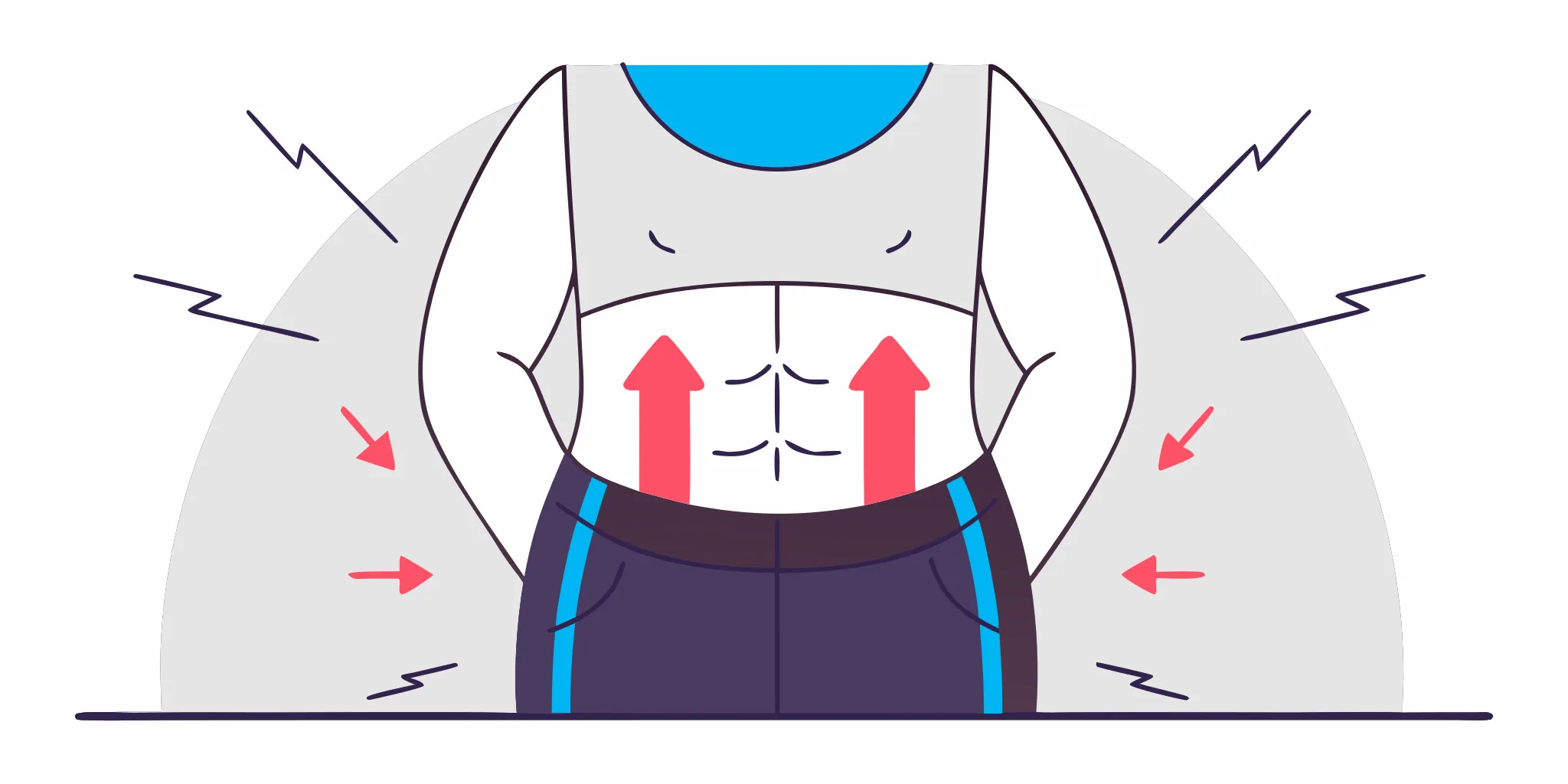
A tummy tuck does so much more than just remove excess skin. One of the most important parts of the procedure is the internal repair of your abdominal muscles. Think of it as rebuilding the foundation of your core. During a tummy tuck, your surgeon brings the separated right and left abdominal muscles back together at the midline of your stomach. They are then secured in this newly tightened position with strong, permanent sutures. This technique, known as muscle plication, essentially creates an internal corset that flattens the abdominal wall, cinches the waist, and provides the support that was lost due to pregnancy or weight changes. This repair is what creates a truly flat and toned stomach profile from the inside out.
Full vs. Mini Tummy Tuck: Which Is for Muscle Repair?
It’s important to know that not all tummy tucks are created equal when it comes to muscle repair. A full tummy tuck is the gold standard for correcting significant muscle separation, or diastasis recti. This procedure addresses the entire abdominal area, both above and below the belly button, allowing your surgeon to fully access and repair the separated muscles. A mini tummy tuck, on the other hand, involves a smaller incision and is designed to address only a small amount of loose skin and fat in the lower abdomen. While it’s a great option for some, a mini tummy tuck typically does not involve the extensive muscle repair that is a key component of a full abdominoplasty. A Mommy Makeover often includes a full tummy tuck specifically to restore the core after pregnancy.
Can Exercise Fix Separated Muscles on Its Own?
This is a question we hear all the time, and the answer is, unfortunately, no. While exercise is fantastic for strengthening your muscles, it cannot physically mend the stretched-out connective tissue (the linea alba) that causes diastasis recti. Once that tissue is stretched, no amount of crunches or planks can suture it back together. In fact, certain core exercises can sometimes increase intra-abdominal pressure and make the bulge more noticeable. According to the American Society of Plastic Surgeons, surgery is the only way to effectively bring those separated muscles back together. This is why a tummy tuck can be so transformative; it accomplishes something that diet and exercise simply cannot.
The Benefits of Abdominal Muscle Repair
When we talk about a tummy tuck, most people think about removing loose skin. While that’s a big part of it, the real transformation for many women comes from repairing the underlying abdominal muscles. This step is what truly reshapes the midsection from the inside out, offering benefits that go far beyond just aesthetics. Let’s look at what repairing these muscles can do for you.
A Flatter, More Defined Stomach
If you have a persistent belly "pooch" that won't go away no matter how much you diet or exercise, separated abdominal muscles are often the cause. This condition, known as diastasis recti, is common after pregnancy or significant weight fluctuations. During a tummy tuck, your surgeon can suture these weakened muscles back together along the midline.
This internal corset-like repair is what creates a flatter and firmer abdominal wall. By tightening the foundational structure of your core, the procedure helps you achieve a smoother, more toned stomach profile. It addresses the root cause of the bulge in a way that crunches and planks simply can't, giving you a contour that finally reflects your hard work.
Better Posture and Less Back Pain
A weakened core doesn't just affect how your stomach looks; it can also impact how your entire body feels. When your abdominal muscles are separated, they can’t provide adequate support for your spine. As a result, your lower back muscles often have to overcompensate, leading to strain, poor posture, and chronic aches and pains. It’s a frustrating cycle that many women in Bakersfield experience after having children.
Repairing the abdominal wall helps restore your core's stability. By bringing the muscles back to their proper position, a tummy tuck can significantly reduce the burden on your back. Many patients are pleasantly surprised to find that their posture improves naturally and their persistent back pain diminishes after recovery, making everyday movements more comfortable.
A Stronger Core for Everyday Life
Beyond improving your silhouette, repairing the abdominal muscles restores functional strength to your core. A strong core is essential for almost everything you do, from lifting your kids and carrying groceries to enjoying your favorite workout class. When diastasis recti is present, your core is fundamentally weakened, which can make these daily activities feel more strenuous.
A tummy tuck with muscle repair isn't just about appearance; it's about getting your strength back. This surgical correction is the only definitive way to fix separated muscles, creating a stable foundation that allows you to engage your core more effectively. For many women, this is a key part of a Mommy Makeover, helping them feel strong, capable, and confident in their post-baby bodies.
Is a Tummy Tuck Right for You?
Deciding on a tummy tuck is a personal choice, and it’s one that deserves careful thought. If you’ve been working hard to achieve your body goals but are still struggling with loose skin or a persistent belly pooch, you might be wondering if this procedure is the right next step. Understanding the ideal timing and separating fact from fiction are key to making a confident decision that aligns with your life and your goals.
When Is the Best Time to Get a Tummy Tuck?
Timing is everything, and this is especially true for a tummy tuck. The best results are seen in patients who are at or near their ideal body weight and have maintained it for several months. It’s important to remember that abdominoplasty is a contouring procedure, not a weight loss solution. It’s designed to address the excess skin and weakened muscles that diet and exercise often can’t fix.
For many women, the ideal time for a tummy tuck is after they have finished having children. Future pregnancies can re-stretch the abdominal skin and muscles, potentially compromising your surgical results. This is why a tummy tuck is a cornerstone of the Mommy Makeover procedure, designed to help restore your pre-pregnancy figure. The best way to determine your personal timeline is to discuss your family plans and aesthetic goals during a consultation.
Debunking Common Tummy Tuck Myths
There’s a lot of information out there about tummy tucks, and not all of it is accurate. Let’s clear up a few common myths so you can have a clearer picture of what the procedure can and cannot do.
One of the biggest misconceptions is that a tummy tuck is a shortcut to weight loss. The truth is, while a small amount of weight is lost from the removal of skin and tissue, a tummy tuck is not a weight loss surgery. According to the American Society of Plastic Surgeons, the procedure is best for those who are already at a stable weight. Think of it as the finishing touch on your hard work, creating a smoother, firmer, and more defined abdominal contour that reflects the healthy body you’ve achieved. It addresses issues like skin laxity and muscle separation that no amount of crunches can resolve. The best way to learn what’s possible for your body is to speak with a board-certified surgeon in Bakersfield.
Your Recovery Timeline: Week by Week
The first week after your tummy tuck is all about rest and recovery. You’ll feel sore and tired, which is completely normal. Your main jobs are to relax, take short, gentle walks to promote circulation, and follow your surgeon's instructions. You will have a follow-up appointment to check on your healing progress. Over the next few weeks, you’ll gradually start to feel more like yourself. Swelling will decrease, and your energy will return. Most people can return to a desk job within two to three weeks, but you’ll need to wait about six to eight weeks before resuming more strenuous exercise. Remember, every person’s recovery journey is unique, so be patient with your body.
Key Recovery Steps: Compression, Rest, and Aftercare
Following your aftercare plan is the best thing you can do for your results. You’ll wear a special compression garment for several weeks to minimize swelling and support your healing abdomen. While it might feel a bit restrictive, it’s a crucial part of the process. Getting plenty of rest is also non-negotiable, especially during the first two weeks. This means arranging for help around the house and with childcare if you need it. Our team at Beautologie in Bakersfield will provide you with detailed instructions for incision care and managing discomfort. Following these guidelines carefully will help ensure your recovery is as smooth and comfortable as possible.
How to Maintain Your Tummy Tuck Results
Once you’ve recovered, you’ll want to protect your beautiful new contours. The best way to do this is by maintaining a stable weight through a healthy lifestyle. A balanced diet and regular exercise (once you’re cleared by your surgeon) will not only help you feel great but also preserve your tummy tuck results for years to come. Staying hydrated and nourishing your body helps your skin stay elastic and healthy. To help minimize the appearance of your scar over time and keep the surrounding skin firm, incorporating professional skincare products into your routine can make a wonderful difference. Think of these habits as the finishing touch on your transformation.
Related Articles
- Will a Tummy Tuck Fix Diastasis Recti and Strengthen My Core? | Beautologie
- What Does a Mommy Makeover Surgery Include with Dr Knoetgen in Bakersfield | Beautologie
- After Surgery Instructions: Tummy Tuck | Beautologie
- What Surgeons Address During Tummy Tuck | Beautologie
- The Ultimate Mommy Makeover Recovery Timeline | Beautologie
FAQ: Tummy Tuck
How is a tummy tuck different from liposuction? This is a great question because the two procedures are often confused. Think of it this way: liposuction is designed to remove stubborn pockets of fat, but it doesn't address loose skin or separated muscles. A tummy tuck is a more comprehensive procedure that removes excess skin and, most importantly, repairs the underlying abdominal muscles (diastasis recti) to create a flatter, firmer core. While some liposuction may be used during a tummy tuck to refine the contours, the main goal is to tighten and reshape the entire abdominal structure.
Will I have a noticeable scar after my tummy tuck? A tummy tuck does involve a scar, but a skilled surgeon will place the incision as low as possible, typically running from hip to hip so it can be easily hidden by a bikini bottom or underwear. The length of the scar depends on the amount of skin being removed. Over time, the scar will fade significantly, and following your surgeon's aftercare instructions, including proper wound care, can help ensure it heals as discreetly as possible.
Is the muscle repair part of the tummy tuck permanent? Yes, the sutures used to bring your separated abdominal muscles back together are permanent, and the repair itself is designed to last. This internal corset provides long-term support for your core. However, future events like a new pregnancy or significant weight gain can stretch the muscles and skin again. This is why we recommend waiting until you are finished having children to get a tummy tuck, so you can enjoy your results for many years.
What happens if I get pregnant after having a tummy tuck? While it is physically possible and generally safe to have a healthy pregnancy after a tummy tuck, it is not ideal for your surgical results. A new pregnancy will naturally stretch the abdominal skin and the repaired muscles, which can reverse some of the cosmetic benefits you achieved. For this reason, most surgeons strongly advise patients to wait until they are certain they are done building their family before scheduling the procedure.
How soon will I be able to see my final results? You will notice a significant difference in your abdominal contour immediately after surgery, but your final results will take some time to appear. Swelling is a normal part of the healing process and can take several months to fully resolve. As the swelling subsides and your tissues settle, your new, flatter stomach and more defined waistline will become more apparent. Most patients see something very close to their final outcome by about six months to a year post-surgery.
Marketing Director, Beautologie


All information, images, articles and text on this website are copyrighted by Beautologie Medical Group Inc. and cannot be downloaded, copied, redistributed or used in any way without written permission.
*Individual results may vary.
Beautologie strives to ensure that its services are accessible to people with disabilities. Beautologie.com has invested a significant amount of resources to help ensure that its website is made easier to use and more accessible for people with disabilities, to provide educational resources to all. If you are experiencing difficulty with any content on Beautologie.com or require assistance with any part of our site, please contact us during normal business hours as detailed above and we will be happy to assist. If you wish to report an accessibility issue, have any questions or need assistance, please contact beautologie.com Customer Support at info@beautologie.com