


What BMI Is Considered Safe for an Extended or Multiple-Procedure Makeover?
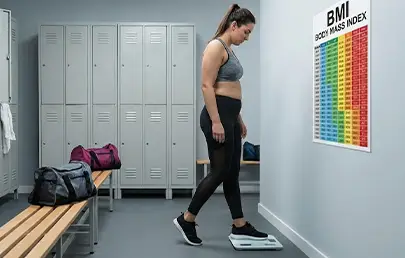
What BMI Is Considered Safe for an Extended or Multiple-Procedure Makeover?
If you’re considering an extended cosmetic surgery or multiple-procedure makeover—such as a mommy makeover, combined tummy tuck and liposuction, or body contouring with breast surgery—you’ve probably seen BMI mentioned online. But BMI alone doesn’t tell the whole story.
At Beautologie Cosmetic Surgery, Medical Aesthetics & Wellness, our board-certified surgeons take a personalized, safety-first approach. BMI is one factor, but it’s never the only one. This guide explains what BMI ranges are generally considered safest, why surgeons use BMI, and what matters even more when planning longer or combined procedures.
Important note: This article is for educational purposes only. Candidacy and safety are determined during a one-on-one surgical consultation. Individual results and recommendations vary.
Why Surgeons Use BMI for Surgical Safety
BMI (Body Mass Index) is a screening tool that estimates body fat using height and weight. In surgery, it helps teams anticipate:
- Anesthesia risk during longer operative times
- Blood clot risk (DVT/PE)
- Wound healing and infection risk
- Cardiopulmonary strain
- Positioning safety during extended procedures
Think of BMI like a weather forecast, not the weather itself. It helps guide planning—but it doesn’t dictate outcomes on its own.
General BMI Ranges and How Surgeons Interpret Them
While exact cutoffs vary by surgeon, facility accreditation, and procedure type, these ranges reflect common safety frameworks used across plastic surgery.
BMI Under 18.5 (Underweight)
- May indicate nutritional deficiencies
- Higher risk of poor wound healing
- Often requires medical clearance or weight stabilization
Not ideal for extended procedures without optimization.
BMI 18.5–24.9 (Normal Range)
- Generally lowest surgical risk
- Excellent healing potential
- Ideal for longer combined procedures
This range often allows the most flexibility in surgical planning.
BMI 25–29.9 (Overweight)
- Still considered safe for many extended makeovers
- Requires careful evaluation of:
- Fat distribution
- Muscle tone
- Cardiovascular health
- Fat distribution
Many mommy makeovers and combination surgeries are safely performed in this range by experienced teams.
BMI 30–34.9 (Obesity Class I)
- Individualized decision-making is critical
- Higher risks for:
- Prolonged anesthesia
- Wound complications
- Blood clots
- Prolonged anesthesia
Some patients may still be candidates for staged or modified procedures, depending on health and surgical goals.
BMI 35+ (Obesity Class II & III)
- Significantly increased risk for extended or combined surgery
- Often advised to:
- Reduce BMI before surgery
- Consider staged procedures
- Address underlying medical conditions first
- Reduce BMI before surgery
Safety—not aesthetics—drives recommendations at this level.
Why BMI Alone Is Not Enough
Two people with the same BMI can have very different risk profiles.
Factors That Matter as Much (or More) Than BMI
- Fat distribution (central vs peripheral)
- Muscle mass
- Skin quality and elasticity
- Medical history (diabetes, hypertension, sleep apnea)
- Smoking status
- Previous surgeries
- Planned operative time
At Beautologie, surgeons evaluate the whole patient, not a single number.
BMI and Extended vs. Multiple Procedures
What Counts as an “Extended” Makeover?
- Longer operative time (often 4–8+ hours)
- Multiple surgical areas
- Greater physiological demand
Examples include:
- Mommy Makeover (breast + abdomen)
- Lipo 360 with fat transfer (BBL)
- Breast surgery combined with body contouring
- Revision surgery with corrections
Longer surgeries require greater physiologic reserve, which is why BMI is considered alongside overall health.
Why Higher BMI Increases Surgical Risk
Higher BMI can affect safety in several ways:
- Reduced oxygenation during anesthesia
- Higher pressure on tissues, affecting healing
- Increased inflammatory response
- Higher DVT/PE risk
- Longer recovery times
This doesn’t mean surgery is impossible—it means planning must be smarter.
When Surgeons Recommend Weight Optimization First
Weight optimization isn’t about appearance—it’s about safety and results.
Surgeons may recommend:
- Modest weight reduction to:
- Shorten surgery time
- Improve incision healing
- Reduce complication risk
- Shorten surgery time
- Staging procedures instead of combining them
- Treating underlying conditions first (e.g., blood sugar control)
Many patients find that even a 5–10% reduction in weight meaningfully improves surgical safety.
The Role of Accredited Surgical Facilities
Extended procedures should only be performed in AAAHC- or equivalent-accredited surgical centers, where:
- Advanced monitoring is available
- Anesthesia teams specialize in longer cases
- Emergency protocols are in place
Beautologie’s accredited surgical environment is designed specifically for complex, multi-procedure care.
Complications: Realistic but Reassuring
All surgery carries risk. With extended procedures, potential complications may include:
- Delayed wound healing
- Seroma or fluid buildup
- Infection
- Blood clots
- Prolonged swelling
The good news? With proper patient selection, experienced surgeons, and strict safety protocols, complication rates remain low and manageable.
Your surgeon’s goal is not just a beautiful result—but a safe, predictable recovery.
Key Takeaways
- BMI 18.5–30 is commonly considered safest for extended cosmetic surgery
- BMI is a screening tool, not a sole decision-maker
- Overall health and surgical plan matter more than one number
- Higher BMI may require staged procedures or optimization
- A personalized consultation is essential for safety
Frequently Asked Questions (FAQ)
What is the safest BMI for a mommy makeover?
Most surgeons consider a BMI under 30 ideal, though some patients slightly above may still qualify after evaluation.
Can I have multiple procedures with a BMI over 30?
Possibly, but it depends on your health, fat distribution, and surgical plan. Some procedures may be staged.
Is BMI a strict cutoff at Beautologie?
No. BMI is considered alongside many safety factors, not used as a rigid rule.
Why do surgeons limit surgery time at higher BMIs?
Longer anesthesia times increase cardiopulmonary and clotting risks.
Does losing weight guarantee better results?
Not always—but it often improves safety, healing, and contour definition.
What if my BMI is high but I’m very active?
Fitness helps, but fat distribution and medical factors still matter.
Can liposuction lower my BMI first?
No. Liposuction is not a weight-loss procedure and doesn’t meaningfully change BMI.
Will I need medical clearance?
Some patients—especially with higher BMI or medical conditions—may require clearance for safety.
Is staging procedures safer?
Yes, in some cases. Staging reduces operative time and recovery stress.
How do I know what’s right for me?
A personalized consultation with an experienced, board-certified surgeon is the only way to determine safe options.
Serving Bakersfield, Stockton & Central California
Beautologie proudly serves patients from Bakersfield, Stockton, and surrounding Central California communities. Our team understands the needs of local patients seeking safe, high-quality cosmetic surgery close to home—without compromising expertise or accreditation.
Ready to Book Your Free Consultation?
Schedule a complimentary consultation with our award-winning surgeons at Beautologie.
With board-certified expertise, thousands of procedures performed, and an accredited surgical center, we’re known for personalized planning, safety-driven care, and natural-looking results.
Let’s create a plan that’s right for your body, your goals, and your safety.
Results vary. All surgery requires consultation and individualized evaluation.
Schedule your consultation today and take the next confident step forward.
Marketing Director, Beautologie


All information, images, articles and text on this website are copyrighted by Beautologie Medical Group Inc. and cannot be downloaded, copied, redistributed or used in any way without written permission.
*Individual results may vary.
Beautologie strives to ensure that its services are accessible to people with disabilities. Beautologie.com has invested a significant amount of resources to help ensure that its website is made easier to use and more accessible for people with disabilities, to provide educational resources to all. If you are experiencing difficulty with any content on Beautologie.com or require assistance with any part of our site, please contact us during normal business hours as detailed above and we will be happy to assist. If you wish to report an accessibility issue, have any questions or need assistance, please contact beautologie.com Customer Support at info@beautologie.com