


How to Know If You Need a Tummy Tuck or Lipo
How to Know If You Need a Tummy Tuck or Lipo
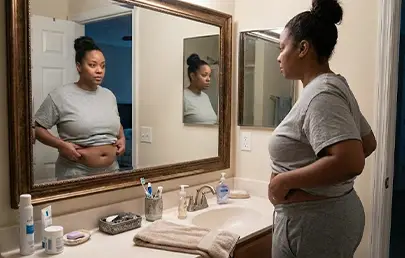
Feeling frustrated with your midsection is incredibly common. You've likely tried diet and exercise, but that stubborn area just won’t budge. Now you’re asking the most important question: how do I know if I need a tummy tuck or lipo? It's a great question, and the answer isn't always simple. Deciding between liposuction for the stomach and a full tummy tuck depends entirely on what's causing the issue—is it excess fat, loose skin, or weakened muscles? This guide will help you figure it out so you can choose the right path.
“Do I really need a tummy tuck, or will liposuction be enough?”
The answer is not one-size-fits-all. While both procedures target the abdomen, they solve very different problems. Choosing the wrong procedure can lead to disappointment, while choosing the right one can be truly life-changing.
In this comprehensive guide, we’ll walk you through the medical, aesthetic, and practical differences between tummy tuck surgery and abdominal liposuction—so you can make an informed, confident decision with clarity rather than confusion.
Fat, Skin, or Muscle? Identifying the Real Issue
A helpful way to think about the abdomen is as three distinct layers:
- Fat (subcutaneous fat beneath the skin)
- Skin (elasticity and excess)
- Muscle (the abdominal wall and connective tissue)
Each procedure addresses different layers:
- Liposuction treats fat only
- Tummy tuck (abdominoplasty) treats skin and muscle, and often removes some fat as well
Understanding which layer is causing your concern is the key to choosing the correct procedure.
Are You a Good Candidate? Key Factors to Consider
Weight and BMI Guidelines
One of the most important factors in deciding between a tummy tuck and liposuction is your current weight. It’s a common misconception that these are weight loss procedures. In reality, they are body contouring procedures, designed to refine and sculpt your shape after you’ve already done the hard work. For liposuction, ideal candidates are typically close to their target weight but struggle with stubborn, localized fat pockets that won’t budge with diet and exercise. Think of those frustrating areas on the lower belly, flanks, or thighs. The goal of lipo isn't to lower the number on the scale, but to smooth the contours that are already there.
A tummy tuck also requires you to be at a stable weight you can realistically maintain. Significant weight fluctuations after surgery can compromise your beautiful results, potentially causing the skin to stretch again. According to the American Society of Plastic Surgeons, ideal candidates for a tummy tuck should be physically healthy and at a stable weight. While the exact BMI (Body Mass Index) can vary, surgeons generally prefer patients to have a BMI under 30 to ensure the safest procedure and best possible outcome. This is because a tummy tuck is a more extensive surgery that addresses loose skin and repairs separated abdominal muscles, and being at a healthy weight is crucial for both healing and achieving that smooth, firm contour you’re looking for.
What Stomach Liposuction Can (and Can't) Achieve
When Is Liposuction the Right Choice?
Abdominal liposuction is ideal if you:
- Have good skin elasticity
- Are close to your goal weight
- Have localized fat deposits resistant to diet and exercise
- Do not have significant loose skin or muscle separation
Think of liposuction like sculpting clay beneath a fitted sheet. If the sheet is tight and smooth, shaping what’s underneath looks great.
What Liposuction Won't Fix
Liposuction cannot:
- Tighten loose or stretched skin
- Repair separated abdominal muscles (diastasis recti)
- Correct hanging skin or stretch marks below the belly button
- Flatten a rounded abdomen caused by muscle laxity
If loose skin is present, removing fat alone may actually make the skin look more lax.
What Does a Tummy Tuck Actually Correct?
A tummy tuck goes far beyond fat removal. It is a reconstructive and aesthetic procedure that reshapes the entire abdominal wall.
A Tummy Tuck Can Address:
- Loose or hanging skin
- Stretch marks, especially below the belly button
- Muscle separation from pregnancy or weight fluctuations
- A protruding or “pooch” abdomen despite weight loss
- Skin that does not retract after liposuction
Imagine tailoring a dress that’s too large. A tummy tuck removes excess fabric and tightens the structure underneath.
The Sit-Down Test: How to Know if You Need Lipo or a Tummy Tuck
One of the most telling self-assessments is what your abdomen looks like when you’re not standing perfectly upright.
You may need a tummy tuck if:
- Your abdomen folds or bunches when sitting
- You can pinch a roll of skin, not just fat
- The belly button area looks stretched or droopy
- You still look “pregnant” after weight loss
You may be a liposuction candidate if:
- Your skin stays relatively smooth when seated
- The concern is fullness rather than sagging
- The abdomen feels firm, not lax
Mini, Full, or Extended: Which Tummy Tuck Is for You?
Just as there are different body types, there are different types of tummy tucks. The right one for you depends entirely on your unique anatomy and goals. A Full Tummy Tuck is the most common, but it’s helpful to know the other options:
- Mini Tummy Tuck: This procedure only addresses excess skin and fat located below the belly button. It’s a less extensive option for those with a small lower belly “pooch” but good muscle tone and minimal skin laxity elsewhere.
- Full Tummy Tuck: This is the gold standard for most patients, especially after pregnancy. It removes excess skin and repairs separated muscles (diastasis recti) both above and below the belly button, creating a flatter, tighter abdominal wall.
- Extended Tummy Tuck: Designed for individuals who have experienced significant weight loss, this procedure extends the incision around the hips to address loose skin on the flanks and lower back as well.
A Note on Mini Tummy Tucks: Why a Full Tuck Is Often Better
Many patients are initially drawn to the idea of a mini tummy tuck because it seems less invasive. However, it’s important to understand its limitations. A mini tuck cannot fix the muscle separation that is often the true cause of a protruding abdomen. If the underlying abdominal wall isn't repaired, you may be left with a lower belly that’s flat but a mid-section that still bulges.
If your abdomen folds when you sit or you can pinch a roll of loose skin, a full tummy tuck is almost always the better choice. By repairing the muscles and removing excess skin from the entire abdomen, it provides a far more comprehensive and satisfying result—a key component of our Mommy Makeover procedures in Bakersfield.
Simple At-Home Tests to Guide Your Decision
While a professional consultation is the only way to get a definitive answer, a couple of simple self-tests can give you a clearer idea of which procedure aligns with your body’s needs. Try these in front of a mirror.
The Pinch vs. Grab Test
This is one of the most straightforward ways to assess your primary concern. Gently pinch the tissue on your abdomen. If you can pinch an inch of stubborn, subcutaneous fat but the skin itself feels firm and snaps back into place, you are likely dealing with isolated fat deposits. This is exactly what liposuction is designed to address. However, if you can easily grab a handful of loose, lax skin that sags or feels thin, the problem is skin elasticity. In this case, a tummy tuck is probably the more effective solution, as it is the only procedure that physically removes excess skin.
The Bend-Over Test
Stand in front of a mirror and bend forward at the waist, as if you were going to touch your toes. Now, look at your abdomen. Do you see a significant amount of skin hanging downward, or does it create a noticeable fold or roll? This is a tell-tale sign of skin laxity that won't be resolved by fat removal alone. The American Society of Plastic Surgeons confirms that a tummy tuck is designed to correct this exact issue by removing excess, sagging skin. If the skin remains relatively smooth and you just see a soft fullness, liposuction might be sufficient. But if you see a prominent "apron" of skin, a tummy tuck is likely needed to achieve a flat, smooth contour.
Why Your Skin's Elasticity Is a Game-Changer
Skin elasticity is largely determined by:
- Genetics
- Age
- Pregnancy history
- Amount of weight lost
- Smoking history
If skin elasticity is poor, no amount of liposuction will create a flat abdomen. This is why two patients with the same weight and height may need entirely different procedures.
Diastasis Recti: The Hidden Reason You Might Need a Tummy Tuck
Many patients—especially after pregnancy—have diastasis recti, where the abdominal muscles separate and fail to return to their original position.
This causes:
- A rounded belly even at a healthy weight
- Core weakness
- Back pain or posture issues
- A persistent “mom pooch”
Liposuction cannot fix muscle separation.
A tummy tuck includes internal muscle repair, restoring both function and contour.
Can You Combine a Tummy Tuck and Liposuction?
Yes—and in fact, many modern tummy tucks include strategic liposuction for optimal contouring.
This combination:
- Enhances waist definition
- Improves flank and hip contours
- Creates a more natural, sculpted result
At Beautologie, this tailored approach is often part of a mommy makeover or comprehensive body contouring plan.
Beyond the Mirror: Medical and Quality-of-Life Benefits
While a flatter, more toned abdomen is the most visible result of a tummy tuck, the benefits often extend far beyond what you see in the mirror. For many patients, the procedure provides significant medical and quality-of-life improvements that are truly transformative.
Functional Improvements: Better Posture and Bladder Control
A tummy tuck isn't just an aesthetic procedure; it's reconstructive. By repairing separated abdominal muscles, an abdominoplasty fundamentally strengthens your core. This isn't just about looking flatter—it's about feeling stronger. A study by the American Society of Plastic Surgeons found significant improvements in back pain and urinary incontinence after the procedure. A tummy tuck can improve core strength, posture, and back pain, especially for those with separated muscles. Many women find that after surgery, they can stand taller with less strain on their lower back, and even issues like stress urinary incontinence (leaking when coughing or sneezing) can be dramatically reduced. It’s a functional restoration that brings your body back into alignment.
Psychological Wins: Confidence and Comfort in Your Clothes
The physical changes are just the beginning. These procedures aren't just about how you look; they can greatly improve how you feel. For many of our patients in Bakersfield, the biggest win is the newfound confidence and freedom. Imagine no longer having to strategically dress to hide your midsection or feeling self-conscious when you sit down. Benefits include clothes fitting better, feeling more confident, feeling stronger in your core, and feeling “put back together” after pregnancy. This isn't vanity; it's about reclaiming comfort in your own skin and body. The ability to wear what you want, move without thinking about excess skin, and feel whole again is a powerful psychological shift that impacts every area of your life.
Tummy Tuck vs. Lipo: A Look at the Recovery Process
Anesthesia: What to Expect for Each Procedure
Let's talk about what happens during the procedure itself, specifically regarding your comfort. For a procedure like liposuction, the approach is often less intensive. It's typically performed using local anesthesia with sedation, meaning the treatment area is completely numbed, and you'll receive medication to help you feel deeply relaxed and comfortable. While you won't be fully asleep, you'll be in a calm, twilight-like state. This method is well-suited for precisely targeting stubborn fat deposits without the need for general anesthesia, which can contribute to a slightly faster initial recovery period for many patients.
A tummy tuck, on the other hand, is a more comprehensive surgery that addresses loose skin and underlying muscle laxity. Because it's a more extensive procedure, it requires general anesthesia. This ensures you are completely asleep, safe, and comfortable throughout the entire surgery. It allows your surgeon to meticulously perform the detailed work of repairing separated muscles and reshaping your abdomen for a smooth, firm contour. The American Society of Plastic Surgeons confirms this is the standard approach, prioritizing patient safety and comfort for achieving the transformative results a full tummy tuck provides.
Your Liposuction Recovery Timeline
- Return to work: 3–7 days
- Compression garment required
- Swelling for several weeks
- Minimal scarring
Your Tummy Tuck Recovery Timeline
- Return to work: 2–3 weeks
- Drains may be used temporarily
- Compression garment required
- Longer healing timeline
- Permanent scar (strategically placed low)
While tummy tuck recovery is more involved, patients often describe it as well worth the tradeoff for the dramatic, long-lasting transformation.
What Tummy Tuck Recovery Really Feels Like
Let's be honest: the recovery is often the most intimidating part of considering a tummy tuck. But understanding what to expect can make all the difference. Most patients describe the feeling as significant tightness and soreness, rather than sharp, unbearable pain. You’ll feel a strong pulling sensation across your abdomen, especially when you try to stand up straight. This is a good sign—it means your repaired muscles and tightened skin are healing in their new, corrected positions. Your surgeon will provide medication to manage this discomfort, so you can focus on resting.
The first week is the most crucial for healing. You will need to have help at home, as you won't be able to lift anything heavy (including children) or do much on your own. You’ll be wearing a compression garment, which feels like a very tight corset, to support your tissues and minimize swelling. Some patients also have temporary surgical drains to remove excess fluid, which are typically removed within a week or two. It’s a period that requires patience, but it’s the foundation for a smooth recovery and beautiful result.
After the first one to two weeks, you’ll start to feel much more like yourself. While you can often return to a desk job within two to three weeks, it’s essential to follow all of your surgeon's instructions, especially regarding activity restrictions. The compression garment remains your best friend for several weeks, and you’ll need to avoid strenuous exercise for about six to eight weeks. The permanent scar, while a reality of the procedure, is strategically placed low on the abdomen so it can be easily hidden by underwear or a bikini bottom.
Which Procedure Delivers Better Long-Term Results?
This is a critical point for decision-making.
- Liposuction results depend on skin retraction
- Tummy tuck results are structural and lasting
- Weight stability maintains results for both procedures
If you choose liposuction when a tummy tuck is indicated, the result may look unfinished or disappointing.
Timeline for Seeing Your Final Shape
Patience is a virtue during recovery! While you’ll notice an immediate difference after your procedure, your final, sculpted shape will take some time to fully reveal itself. The primary reason for this is post-surgical swelling, which is a completely normal part of the healing process. According to the American Society of Plastic Surgeons, it takes time for this swelling to fully resolve. Most patients see a much slimmer contour emerge over several months. The final, refined results are typically visible around three to six months after surgery, once your body has fully healed and settled into its new shape.
How Future Weight Gain Can Affect Your Results
It’s helpful to think of your procedure as a fresh start, not a free pass. While the fat cells removed during liposuction are gone for good and the skin removed in a tummy tuck won't grow back, your results can be affected by major lifestyle changes. If you gain a significant amount of weight, the remaining fat cells can enlarge, altering your new contours. For a tummy tuck, weight gain can cause the skin to stretch again, and a future pregnancy can re-separate the repaired abdominal muscles. The best way to protect your investment and enjoy your results for years to come is by maintaining a stable, healthy weight.
A Candid Look at Safety and Potential Risks
Both procedures are safe when performed by board-certified plastic surgeons in an accredited facility.
Important Risks to Consider
- Infection
- Seroma (fluid buildup)
- Delayed healing
- Scarring
- Asymmetry
At Beautologie, patient safety protocols, advanced surgical techniques, and meticulous aftercare significantly reduce these risks. Results vary, and a consultation is essential to determine candidacy.
How to Choose a Qualified Surgeon
The Importance of Board Certification
Once you have a clearer idea of which procedure aligns with your goals, the single most important decision you'll make is choosing your surgeon. This isn't just about getting beautiful results—it's about your safety and well-being. For surgical procedures like a tummy tuck or liposuction, the expertise of your provider is paramount. A great surgeon will not only have the technical skill to perform the procedure but also the artistic eye to create a natural-looking outcome that complements your unique anatomy. This is why it's so important to research and select a highly qualified surgeon you can trust completely with your care.
So, what should you look for? The gold standard is board certification. This credential signifies that a surgeon has gone through years of intensive, specialized training in plastic surgery and has passed rigorous written and oral exams to prove their expertise. As the American Society of Plastic Surgeons (ASPS) puts it, "the number one reason that board certification matters for plastic surgery is patient safety." It’s a verification that your surgeon is equipped to handle the complexities of your procedure and is dedicated to upholding the highest standards in the field, which is a non-negotiable when it comes to your health.
Beyond the initial training, surgeons certified by the American Board of Plastic Surgery (ABPS) are committed to ongoing education and adhere to a strict code of ethics. This ensures they are up-to-date on the latest techniques and safety protocols. Choosing a board-certified surgeon who operates in an accredited surgical facility provides an essential layer of assurance. It means your entire experience, from consultation to recovery, is managed within a system designed to prioritize your safety and deliver exceptional, reliable results. Your peace of mind is just as important as your final outcome.
Key Takeaways
- Liposuction removes fat only—it does not tighten skin or muscles
- A tummy tuck addresses loose skin and muscle separation
- Skin elasticity is often the deciding factor
- Pregnancy-related changes usually require a tummy tuck
- Combining procedures may offer the best contour
- A personalized consultation is essential for the right choice
Frequently Asked Questions (FAQ)
Is my skin too loose for liposuction without a tummy tuck?
If you can pinch excess skin or notice sagging when seated, a tummy tuck is likely needed.
Will liposuction tighten my skin at all?
Only minimally, and only if skin elasticity is excellent.
Can a tummy tuck get rid of my stretch marks?
Yes—stretch marks below the belly button are often removed.
Are tummy tucks only for moms?
No. Men and women benefit after weight loss or aging-related changes.
Can't I just lose weight instead of getting surgery?
Weight loss does not correct loose skin or muscle separation.
What happens if I choose the wrong procedure?
You may require revision surgery to achieve your desired outcome.
How long will my tummy tuck results last?
Results are long-lasting with stable weight and healthy habits.
Can I get pregnant after a tummy tuck?
Yes, but it may compromise results. Timing matters.
Is a tummy tuck safer than liposuction, or vice versa?
Both are safe when properly selected and performed by qualified surgeons.
Will my insurance cover a tummy tuck or liposuction?
Typically no, as it is considered cosmetic.
Ready to Find the Right Option for You?
Beautologie proudly serves patients throughout Bakersfield and Stockton, offering advanced body contouring procedures tailored to California lifestyles. Our board-certified surgeons understand the unique needs of Central Valley patients—from post-pregnancy transformations to weight-loss body reshaping—delivered in state-of-the-art facilities with a personalized, patient-first approach.
Schedule a complimentary consultation with our award-winning surgeons at Beautologie.
With decades of combined experience, on site and fully accredited surgery centers, thousands of successful procedures, and a reputation for natural, confidence-restoring results, our team is here to guide you every step of the way.
Your body isn’t a template—and your surgery shouldn’t be either.
📍 Bakersfield | Stockton
📞 Book your consultation today and take the next step toward a flatter, stronger, more confident you.
Related Articles
Marketing Director, Beautologie


All information, images, articles and text on this website are copyrighted by Beautologie Medical Group Inc. and cannot be downloaded, copied, redistributed or used in any way without written permission.
*Individual results may vary.
Beautologie strives to ensure that its services are accessible to people with disabilities. Beautologie.com has invested a significant amount of resources to help ensure that its website is made easier to use and more accessible for people with disabilities, to provide educational resources to all. If you are experiencing difficulty with any content on Beautologie.com or require assistance with any part of our site, please contact us during normal business hours as detailed above and we will be happy to assist. If you wish to report an accessibility issue, have any questions or need assistance, please contact beautologie.com Customer Support at info@beautologie.com