


The 5 Liters of Fat Rule: Is It Right for You?
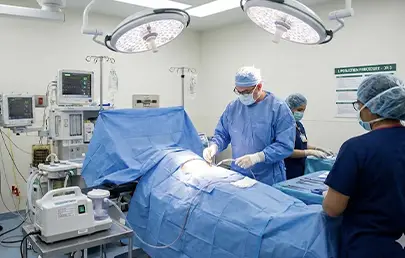
The 5 Liters of Fat Rule: Is It Right for You?
Liposuction is one of the most effective ways to sculpt stubborn fat and refine your natural contours. But one of the most common—and important—questions we hear at Beautologie is: “How much fat can actually be removed safely in a single session?”
The short answer is that there is a medically recognized safety limit, but the best answer is more personal. It depends on your body, your goals, the areas being treated, the surgical technique, and the setting in which your procedure is performed.
This guide breaks down the science, safety standards, and practical realities behind liposuction volume—so you can make a confident, informed decision with your surgeon.
Understanding the Primary Safety Standard
The widely accepted guideline: up to 5 liters
In most accredited surgical settings like Beautologie in Bakersfield and Stockton, CA, the commonly accepted maximum for fat and fluid removal in a single liposuction procedure is approximately five liters (5,000 milliliters). That equals about 11 pounds of total aspirate (fat plus fluid).
This threshold is supported by surgical societies and decades of clinical experience because removing more than this in one session significantly increases medical risks, including:
- Fluid imbalance
- Blood loss
- Prolonged anesthesia time
- Increased stress on the heart, lungs, and kidneys
- Higher complication rates
Think of liposuction like draining water from a boat: removing enough can make it ride better in the water—but draining too much, too fast, can destabilize the entire system.
Why There’s a Limit: Safety Over “Maximum Results”
Liposuction is surgery, not weight loss
It’s important to understand what liposuction is designed to do—and what it isn’t.
- Liposuction is a body-contouring procedure, not a weight-loss method.
- The goal is shape, proportion, and balance, not the number on the scale.
- Removing “as much as possible” does not equal better results—and can actually compromise them.
Your body needs time to recover, regulate fluids, and reestablish circulation. When too much fat is removed at once, the body may struggle to maintain stability, leading to avoidable complications.
What Actually Determines How Much Can Be Safely Removed?
The five-liter guideline is not a one-size-fits-all number. At Beautologie, your surgeons evaluate several medical and anatomical factors before recommending a safe volume.
1. Your overall health and medical history
Patients with stable cardiovascular health, good kidney function, and no major underlying conditions may tolerate larger-volume liposuction more safely than those with medical risk factors.
Your consultation will include a thorough review of:
- BMI and body composition
- Blood pressure and cardiovascular status
- Smoking history
- Prior surgeries
- Medications
2. Number of areas treated
Removing smaller volumes from multiple areas (abdomen, flanks, thighs, arms) can be safer and more aesthetically balanced than removing a large amount from one single area.
3. Surgical technique used
Different approaches influence how much fat can be removed safely:
- Tumescent liposuction (most common): Uses fluid infiltration to reduce bleeding and improve safety.
- Power-assisted liposuction (PAL): Allows precise, controlled fat removal.
- Ultrasound-assisted liposuction (UAL/VASER): Can improve fat emulsification but still follows volume safety limits.
4. Where the surgery is performed
Accredited surgical centers and hospitals are equipped for larger-volume procedures with advanced monitoring, emergency support, and extended recovery protocols. In-office procedures typically follow more conservative limits.
What Does “Five Liters” Look Like in Real Life?
Five liters is not five pounds of pure fat—it’s a combination of:
- Fat cells
- Tumescent fluid
- Blood and tissue debris
In practical terms, patients often see dramatic contour changes with far less than five liters removed.
For example:
- Abdomen + flanks: 2–3 liters
- Thighs or hips: 1–2 liters
- Arms, chin, or back: smaller volumes with visible sculpting
The body responds to even modest reductions in localized fat with significant visual improvement.
More Isn’t Better: The Aesthetic Perspective
The “over-suctioned” look
Removing too much fat can lead to:
- Irregular contours
- Skin laxity
- “Hollowed” or unnatural appearance
- Asymmetry
At Beautologie, our philosophy is natural, balanced results that age well over time. Sculpting is an art as much as a science—your surgeon’s experience matters just as much as the amount removed.
Can More Fat Be Removed in Multiple Sessions?
Yes—when done strategically
If your goals require more volume reduction than is safe in a single procedure, staged liposuction may be recommended. This means:
- Performing the first session safely
- Allowing full healing and stabilization
- Reassessing your contour
- Refining with a second session if needed
This approach protects your health while still achieving transformative results.
How Liposuction Volume Affects Recovery
What to expect after different volumes
The more fat removed, the more your body must adjust. Larger-volume liposuction may involve:
- Increased swelling and fluid shifts
- Longer compression garment use
- More downtime before returning to full activity
- Extended follow-up appointments
That said, modern techniques and meticulous surgical planning allow most patients to return to light activity within a few days to one week, with continued improvement over several months.
Key Takeaways
- Up to five liters is the widely accepted maximum for safe fat removal in one liposuction session.
- Safety depends on your health, anatomy, and surgical setting, not just a number.
- Liposuction is body contouring, not weight loss—results are measured in shape, not pounds.
- Removing too much can compromise both health and aesthetics.
- When more reduction is desired, staged procedures offer safer, refined outcomes.
Potential Risks & How Beautologie Minimizes Them
All surgery carries risk. Responsible surgeons discuss these openly while emphasizing prevention.
Possible complications include:
- Fluid imbalance
- Infection
- Bleeding or hematoma
- Contour irregularities
- Prolonged swelling or numbness
- Rare cardiovascular or anesthesia-related events
How Beautologie prioritizes safety:
- Board-certified surgeons with extensive liposuction experience
- Accredited surgical facilities with advanced monitoring
- Conservative volume guidelines
- Customized surgical planning
- Detailed pre-op screening and post-op care
Our goal is not just beautiful results—it’s your long-term health, confidence, and trust.
How Much Fat Should You Remove?
The most important question is not “How much can I remove?” but “How much is right for me?”
Your ideal volume is based on:
- Your natural anatomy
- Skin elasticity
- Proportional balance
- Whether liposuction is combined with other procedures (such as tummy tuck, BBL, or mommy makeover)
Your consultation includes physical evaluation, photo review, and honest discussion of what will achieve the best, safest, most natural-looking result.
Local Expertise You Can Trust (Bakersfield, Stockton & Beyond)
For patients in Bakersfield, Kern County, Stockton and surrounding communities, Beautologie Cosmetic Surgery, Medical Aesthetics & Wellness offers a rare combination of advanced surgical expertise, award-winning care, and personalized treatment planning. Our local patients choose us not just for results—but for safety, education, and a truly supportive experience from consultation through recovery.
Frequently Asked Questions (FAQ)
1. Is five liters of fat always safe for everyone?
No. Five liters is a general guideline. The safe amount varies based on your health, body composition, and surgical plan.
2. Can removing more fat give me better results?
Not necessarily. Removing too much can lead to irregular contours and increased risk. Strategic sculpting produces better outcomes.
3. How much weight will I lose from liposuction?
Liposuction is not a weight-loss procedure. Most patients lose a few pounds, but the real change is in shape and proportion.
4. What happens if I want more fat removed later?
Additional fat can be removed safely in a second, staged procedure after proper healing.
5. Does higher-volume liposuction mean longer recovery?
Typically, yes. More volume often means more swelling and a longer healing phase.
6. Is large-volume liposuction ever done?
In select medical settings with proper monitoring, higher volumes may be performed—but only when medically appropriate.
7. Can liposuction be combined with a tummy tuck or BBL?
Yes, when done safely. Combined procedures are carefully planned to balance results with patient safety.
8. How do surgeons decide how much fat to remove?
Based on anatomy, skin quality, health status, and desired contour—not just a maximum number.
9. What are the biggest risks of removing too much fat?
Fluid imbalance, prolonged anesthesia time, contour irregularities, and increased complication risk.
10. Will my fat come back after liposuction?
Fat cells removed do not return, but remaining fat cells can enlarge with weight gain. Maintaining a healthy lifestyle preserves results.
Your Next Step: Personalized, Safe Body Contouring
Every body is different—and so is every beautiful result.
At Beautologie Cosmetic Surgery, Medical Aesthetics & Wellness, our board-certified, award-winning surgeons have performed thousands of body-contouring procedures with a reputation for natural results, meticulous safety, and exceptional patient care. We don’t chase maximum numbers—we design outcomes that look balanced, feel confident, and age beautifully.
Schedule a complimentary consultation with our award-winning surgeons today. We’ll evaluate your goals, explain your safest options, and create a plan tailored entirely to you. If you're considering liposuction in Bakersfield, our team at Beautologie's Kern County location offers personalized consultations to help you determine the safest amount of fat removal for your goals.
Results vary. Consultation required. This content is for educational purposes only and does not replace medical advice.
Marketing Director, Beautologie


All information, images, articles and text on this website are copyrighted by Beautologie Medical Group Inc. and cannot be downloaded, copied, redistributed or used in any way without written permission.
*Individual results may vary.
Beautologie strives to ensure that its services are accessible to people with disabilities. Beautologie.com has invested a significant amount of resources to help ensure that its website is made easier to use and more accessible for people with disabilities, to provide educational resources to all. If you are experiencing difficulty with any content on Beautologie.com or require assistance with any part of our site, please contact us during normal business hours as detailed above and we will be happy to assist. If you wish to report an accessibility issue, have any questions or need assistance, please contact beautologie.com Customer Support at info@beautologie.com